
Can Vending Machines Be Designed for Zero-Waste Operation?
Vending machines offer quick access to snacks and drinks in offices, schools, and public places. In today’s throwaway culture, they often contribute to waste, but they don’t have to. With thoughtful design, vending machines can evolve toward a zero-waste operation. This article explores how that transformation is possible by focusing on sustainable materials, energy efficiency, packaging alternatives, and changes in user behavior, while explaining why zero-waste operation is essential for the future.
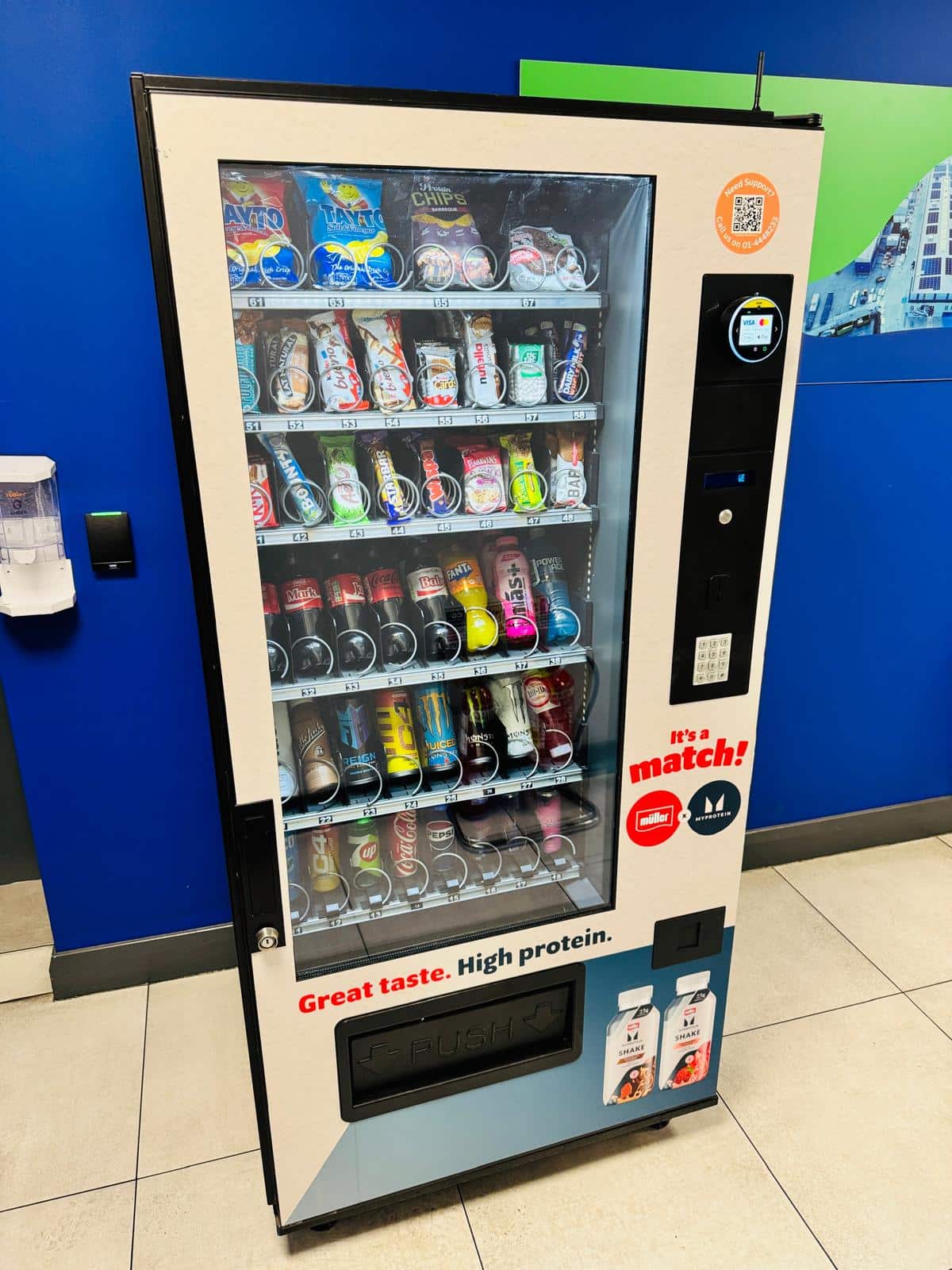
Materials Choices for Zero‑Waste Operation
To achieve zero-waste operation, rethinking materials is essential. Rather than relying on single-use plastics, operators can opt for reusable containers or compostable packaging. Vending machines themselves can be manufactured using recycled materials like steel or aluminum. Additionally, bulk dispensers can eliminate the need for individual packaging altogether. These sustainable choices significantly cut waste at the source and lay the foundation for a truly zero-waste operation in both design and functionality.
Energy Efficiency and Zero‑Waste Operation
The next step toward zero-waste operation is reducing energy use. Installing solar panels and improving insulation can cut down electricity needs. Smart sensors help minimize power usage during idle periods. By choosing renewable energy sources and using energy-efficient refrigeration, operators lower the machine’s environmental impact. These energy-saving strategies play a vital role in supporting zero-waste operation and creating a more sustainable vending solution overall.
Waste‑Free Packaging Design for Zero‑Waste Operation
Packaging design is another crucial factor in achieving zero-waste operation. Operators can offer snacks in bulk or explore edible packaging options. Some products may come in compostable wrappers that users return, while others can be served in reusable cups. Software can help track and manage these returnable items. Replacing paper receipts with digital versions also cuts down on waste. Combined, these strategies create a practical and effective model for zero-waste operation.
User Behavior and Zero‑Waste Operation
Achieving zero-waste operation also depends on changing user habits. Clear signage and incentive programs, like loyalty points or small discounts, can encourage customers to return containers. Providing simple instructions helps reduce recycling errors and keeps waste streams clean. These small behavioral changes lead to less landfill waste and support a more sustainable system. With the right motivation and guidance, zero-waste operation becomes a practical and achievable goal.
Integration on vending‑machines.ie for Zero‑Waste Operation
The website vending‑machines.ie can showcase these solutions. It can list machines with compostable or reusable packaging. It can also showcase how smart sensors help conserve energy and highlight systems that encourage users to return containers. By presenting these features, it effectively supports and promotes vending machine designs focused on zero-waste operation.
Maintenance and Lifecycle for Zero‑Waste Operation
Machines must last longer and require fewer parts. So maintenance plans focus on repair not disposal. Modular designs let operators replace parts instead of whole units. Used machines can be refurbished. And at end of life materials are recycled. Thus lifecycle management furthers zero‑waste operation goals.
Challenges and Practical Considerations
Despite the promise there are hurdles. Compostable wrappers need proper local compost systems. Reusable containers require cleaning logistics. Bulk dispensers may raise food safety issues. In some cases initial cost is high. However overall cost often drops over time. With planning many operators can still reach zero‑waste operation standards.
Conclusion
In summary vending machines can indeed be designed for zero‑waste operation. By choosing sustainable materials, optimizing energy use, eliminating packaging, modifying user behavior, and planning for full lifecycle management they can meet that goal. Challenges exist, but they can be solved. This marks a significant step toward greener convenience retail. If you want machines that support zero‑waste operation or have questions feel free to get in touch. Contact us.
Related Posts
- What can You Sell on Leitrim Vending Machines?
The success of companies investing in Leitrim vending machines is already remarkable worldwide. In Leitrim,…
 How Can Vending Machines Support Local Businesses?
In today’s competitive market, local businesses constantly seek innovative ways to stay ahead. One underrated…
 Can Vending Machines Help Reduce Plastic Waste?
Vending machines are evolving rapidly; they no longer just dispense snacks and drinks. Today, however,…