
Can Vending Machines Be Used to Distribute Medications?
Vending machines have changed how people get snacks and drinks. So why not explore how they could distribute medications? This idea seems convenient and fast. Yet it raises immediate questions about safety and regulation. When designed right, machines can offer common over-the-counter items. They can distribute medications like pain relievers or allergy pills. Still experts must control quality and storage. Proper programs must ensure the right drug reaches the right user. That builds trust and protects health.
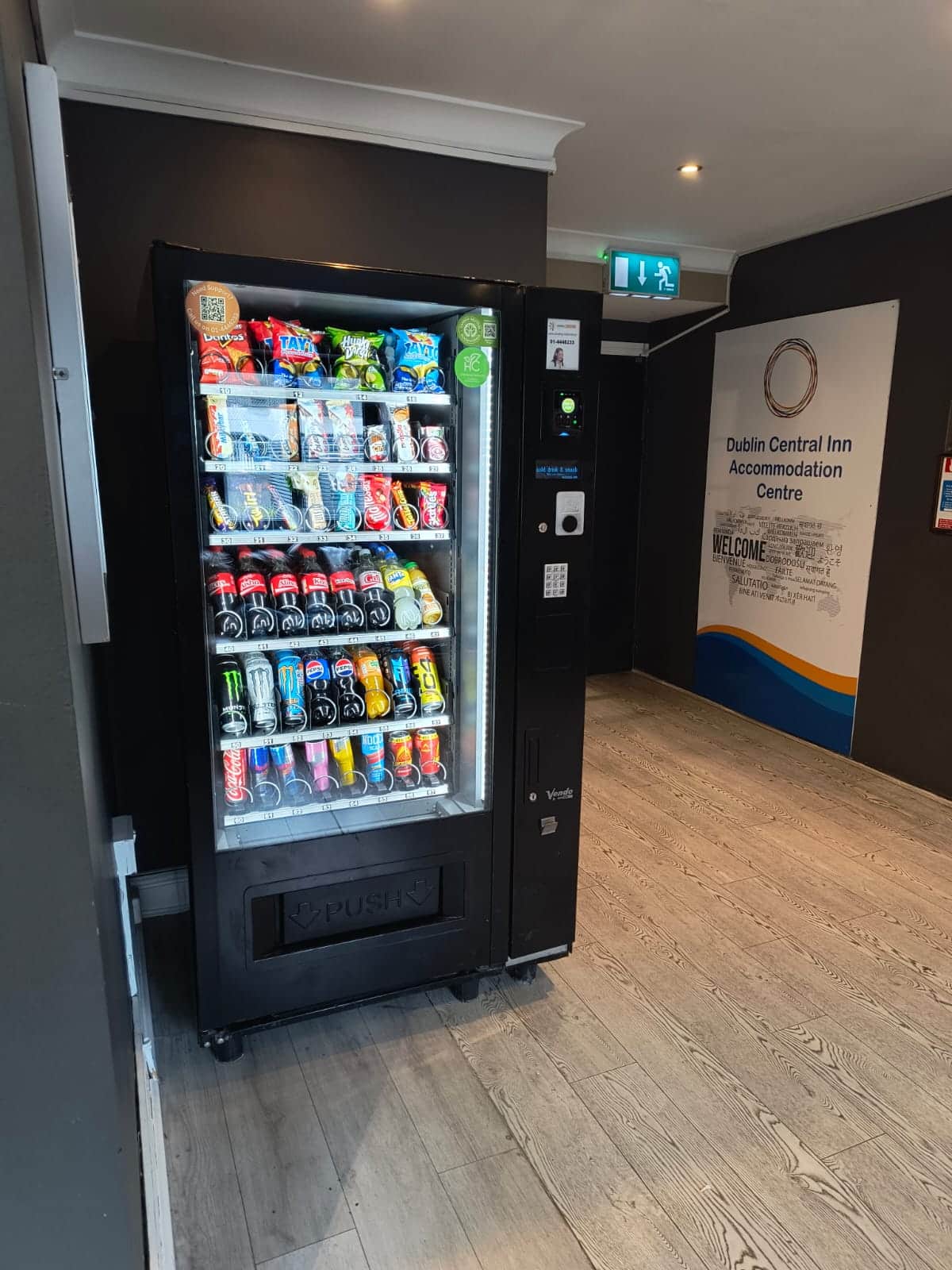
The Benefits When Machines Distribute Medications
First, convenience is key, as people can access medicine at any hour without visiting a pharmacy. Second, access improves in remote areas or busy locations such as offices, gyms, and transit hubs. Third, automation helps reduce lines while offering discreet service. In addition, vending machines monitor inventory in real time, allowing managers to restock promptly, which helps prevent shortages, improve efficiency, and ultimately save valuable time for both providers and users.
The Challenges as Machines Distribute Medications
Of course safety and regulation matter most. Unauthorized access poses risk. People might get the wrong dosage or expired product. Temperature control may fail in some environments. Also legal rules vary across states. Many places demand pharmacist oversight for medication sales. All these obstacles require careful design before a vending system can distribute medications legally and ethically.
How Technology Helps Distribute Medications Safely
Technology offers solutions. Smart systems can verify age and identity. Users may scan ID or enter a prescription code. That ensures only the right person gets the right drug. Temperature sensors can monitor internal conditions. Alerts notify managers when problems arise. Cloud systems can track logs and compliance. Thus technology supports safe and secure distribution.
Examples Where Vending Systems Distribute Medications Today
Some health clinics and hospitals already use vending systems to dispense simple items. For instance, they allow staff to access first-aid supplies after hours. In some countries, machines offer prescription inhalers or insulin in secure locations. They still work under strict oversight. These pilot programs show it is possible to distribute medications through machines when rules and safety protocols are strong.
The Future as Vending Machines Distribute Medications
Looking forward, terminals may connect seamlessly to health records. That lets them confirm prescriptions before dispensing. Moreover telemedicine kiosks could assess a patient and then let a machine dispense needed products. In time we may see more of this at pharmacies, clinics, or even airports. Still regulators, pharmacists, and technology developers must collaborate. They need to ensure users stay safe. In the middle of the discussion, for more context and insights into vending solutions, visit vending-machines.ie for examples of machines that already serve health-related roles.
Final Thoughts
In sum, vending machines can distribute medications when safety, regulation, and technology are properly managed. They offer users greater access, faster service, and improved privacy. However, challenges still exist and demand thoughtful planning and oversight. With the right systems in place, this innovative approach can enhance healthcare delivery. Contact us today to explore how vending solutions can be tailored to meet your specific needs and improve medicine accessibility in your location.


