What Are the Most Common Mistakes in Smart Vending Rollouts?
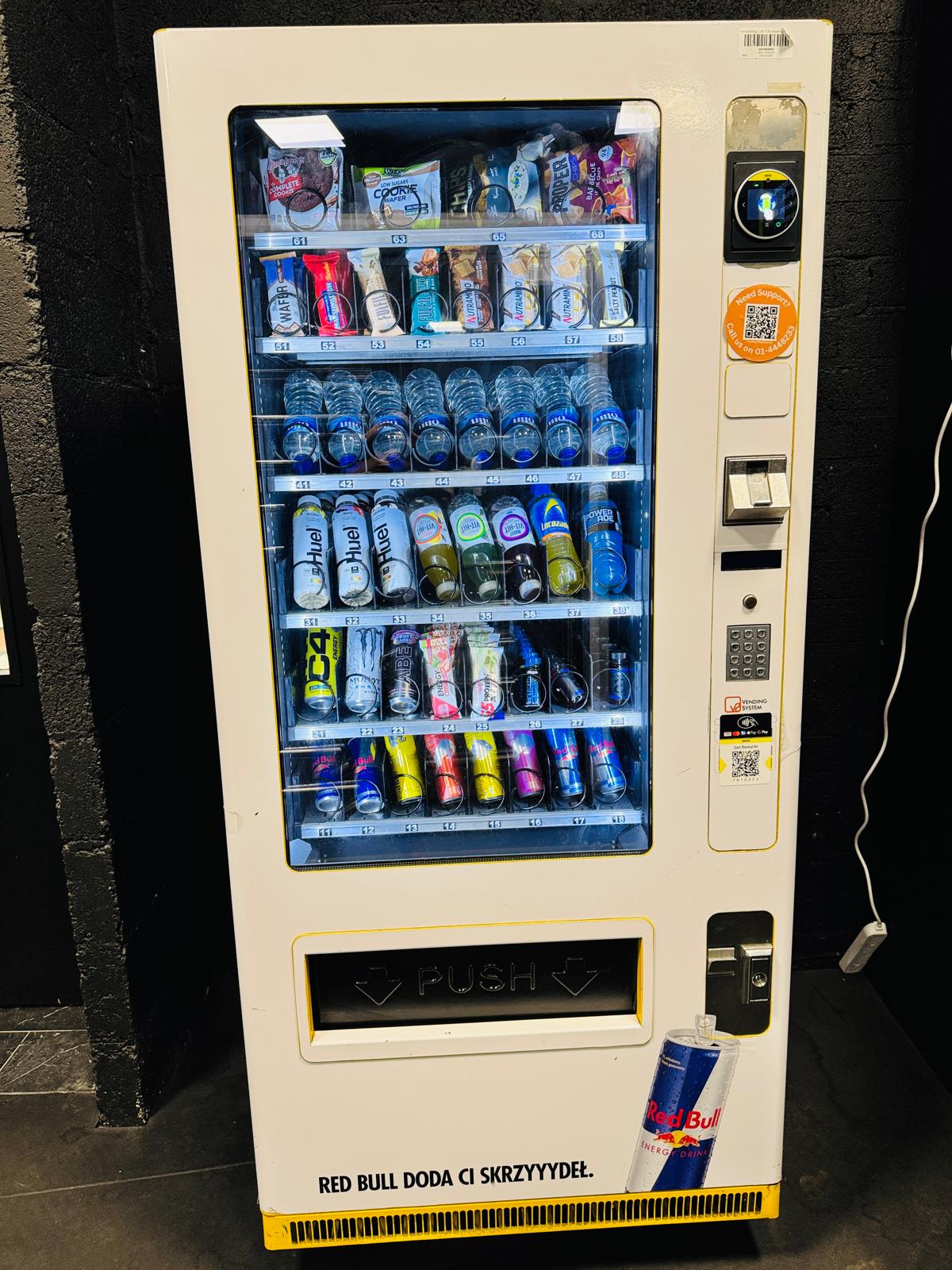
Many operators launch smart vending rollouts without a strong plan, and they may skip market research or ignore customer needs. As a result, valuable time and money are wasted. Therefore, it is important to start with clear goals, accurate data, and a phased strategy. Moreover, consistent monitoring ensures adjustments when needed. Consequently, this approach builds a reliable foundation, reduces risks, and helps avoid early failures while improving customer satisfaction, increasing efficiency, and supporting long-term business success in competitive markets.
Poor Technology and Security Choices in Smart Vending Rollouts
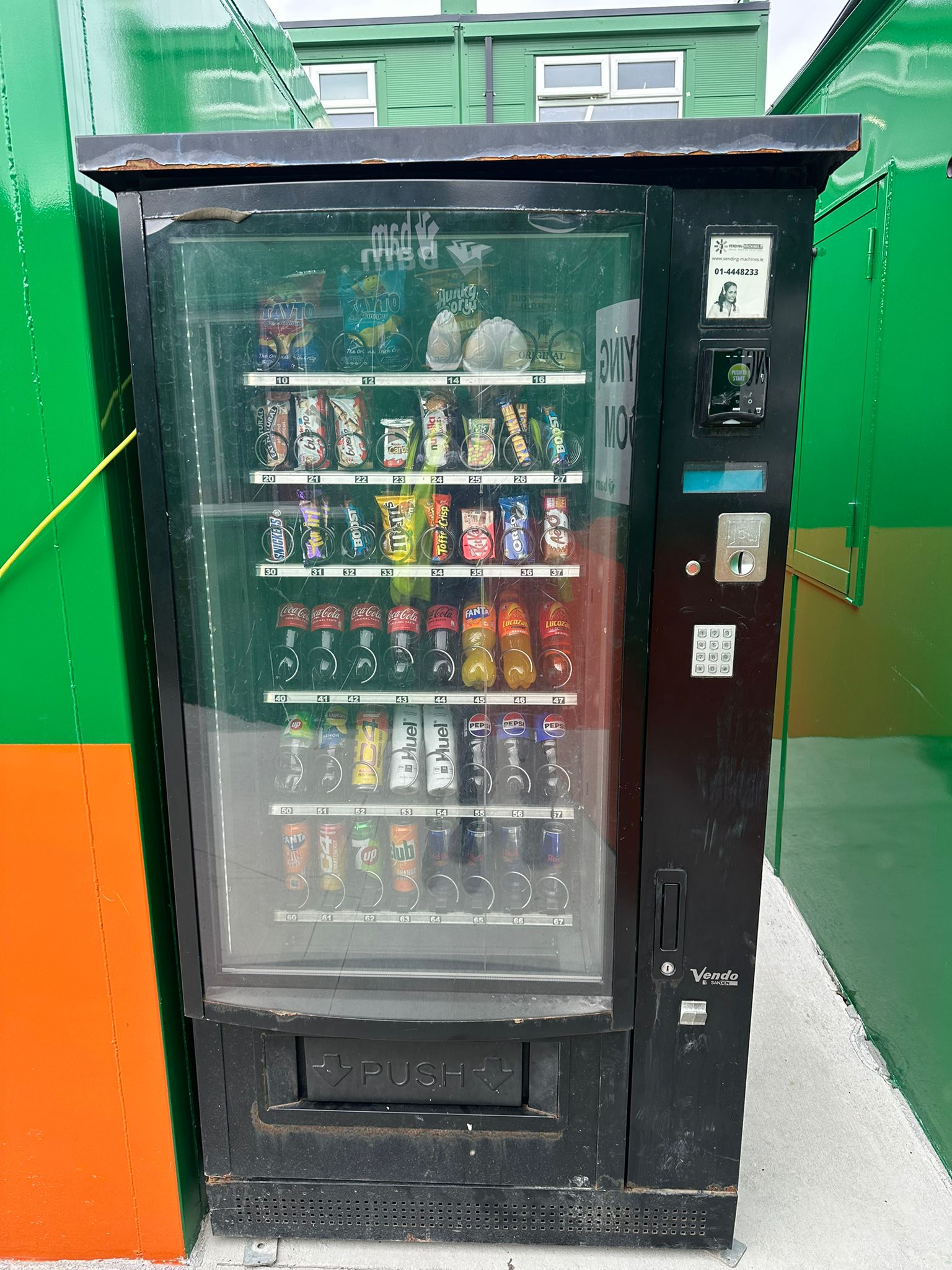
Another frequent error relates to technology and security, as many skip secure configurations or necessary updates. Without proper protection, systems can fall victim to malware or hacking attempts. According to experts, weak credentials, outdated software, and lack of device monitoring all increase risk. Thus, you should prioritize strong security measures when choosing connected devices. Moreover, continuous monitoring, timely updates, and employee training significantly reduce vulnerabilities and help ensure systems remain safe, reliable, and compliant.
Ignoring Location and Customer Behavior
Operators often overlook the role of location and user behavior, placing smart vending rollouts in low-traffic areas or spots misaligned with target audiences. Consequently, these machines remain idle, generating little to no profit. Therefore, researching foot traffic and customer needs becomes essential. Moreover, analyzing patterns over time provides deeper insight. As a result, you can position machines where demand is highest. In addition, ongoing evaluations help maintain relevance, ensuring smart vending rollouts consistently attract users and deliver strong returns.
Overlooking Maintenance and Operational Readiness in Smart Vending Rollouts
Even modern devices require regular upkeep, and one major mistake in smart vending rollouts is neglecting maintenance entirely. Machines may jam, displays fail, and sensors stop working without timely checkups. As found in several vending case studies, ignoring upkeep quickly erodes user trust and reduces revenue. Thus, creating a detailed maintenance schedule is essential. Moreover, monitoring performance continually allows for faster issue resolution. Consequently, operators can maintain consistent service quality, extend machine lifespan, and ensure smart vending rollouts operate successfully over time.
Neglecting Privacy and Regulatory Risks
Smart machines often include cameras, sensors, or analytics. Many forget to evaluate privacy impact or legal obligations. That issue became clear when facial recognition tech in vending led to concerns at a university campus. Always ensure compliance, communicate transparently, and avoid collecting personal data you do not need. At this point it helps to mention your resource: For expert support in avoiding pitfalls and making smart vending rollouts succeed, visit vending-machines.ie to get tailored advice and solutions.
Failing to Adapt and Iterate in Smart Vending Rollouts
One last frequent mistake in smart vending rollouts is not adjusting over time. Operators may stick with initial setups and ignore changing trends or customer feedback. This stagnates performance. Thus, regularly analyze data, test new features, and refine operations. Continuous improvement helps ensure your rollout stays relevant and effective.
In summary, the most common mistakes involve poor planning, weak security, bad location choices, neglected maintenance, ignorance of privacy issues, and failure to iterate. Avoid these traps, and you enhance both user trust and business outcomes. When you are ready to elevate your approach, contact us and let’s refine your smart vending rollouts together.