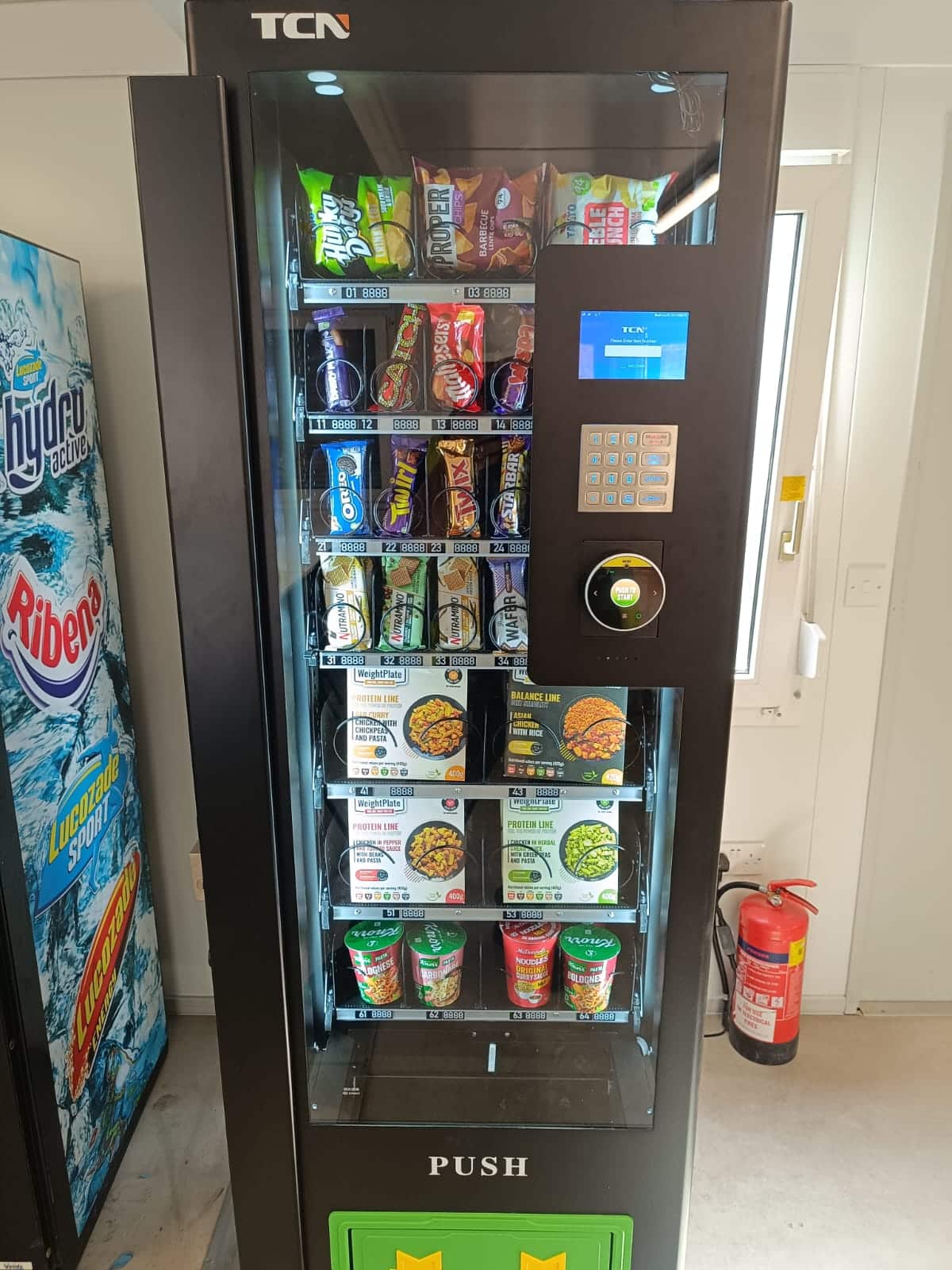
How Do I Protect Customer Data on Smart Vending Machines?
Smart vending machines collect a lot of customer information. They log purchase history, location, payment method, maybe even preferences. Because of that collection protecting customer data is not optional. It builds trust. It also helps you stay legal under data protection laws. Many governments enforce strict rules on how personal data is handled. If a breach happens penalties may be expensive and reputation damage may last.

What Types of Data Do Smart Vending Machines Gather
These machines often record transaction data. That could include date, time, product purchased and payments made. They may also collect usage statistics about how often a screen is touched or what items are browsed. If they have loyalty or reward programs they could hold names, emails or phone numbers. Sometimes smart vending machines link to apps or payment gateways that require identifying details. Knowing what types of data are at risk is the first step to protecting it.
Best Practices to Secure Customer Data in Smart Vending Machines
First always encrypt data both in transit and at rest. Use strong encryption like AES-256 or TLS for network communications. Second limit what data is stored. Only store necessary data. Discard or anonymize data that is not needed. Third implement strict access controls. Only authorized personnel should access sensitive logs or customer records. Also use authentication methods such as multi-factor authentication. Fourth audit and monitor system activity. That means logging access, watching for odd behavior, updating software patches often and testing security measures regularly.
Complying with Laws and Regulations for Smart Vending Machines
If you operate in or sell into the European Union or European Economic Area then you must comply with GDPR rules. That includes giving customers clear notice about what data is collected. You also need lawful basis for collection, e.g. consent. Provide customers rights to see their data or ask deletion. Also ensure data stored outside your country meets local legal requirements. In other places there may be similar privacy laws. Using information from sources like SMRT1 helps to guide what types of privacy and security settings are appropriate.
Technical Measures for Secure Operation of Smart Vending Machines
Use hardware that supports secure boot and encryption modules within the device. Secure firmware updates so no malicious code enters the system. If you connect to cloud services ensure those services are secure and audited. Isolate sensitive systems. For example separate the payment infrastructure from user interface logs. Use anonymization or pseudonymization when possible. Make sure that data from smart vending machines is backed up but not over-retained. Schedule deletion of old or unneeded data.
Challenges and How to Overcome Them
One challenge is balancing user experience with data protection. Customers want convenience but also safety. Another challenge is cost of implementing strong security features. Yet costs of breach or legal non-compliance are usually much higher. Also managing third-party vendors may add risk because they may have weaker controls. To address this vet vendors carefully, include data protection clauses in contracts, require them to comply with relevant laws and carry out security audits.
Final Thoughts
Operating secure smart vending machines not only keeps data safe but also builds brand loyalty. At vending-machines.ie we help operators design systems with privacy built in from start to finish. Protecting customer data is as much about process as it is about technology. Contact us to discuss how you can secure your smart vending machines, meet legal requirements and gain customer trust.