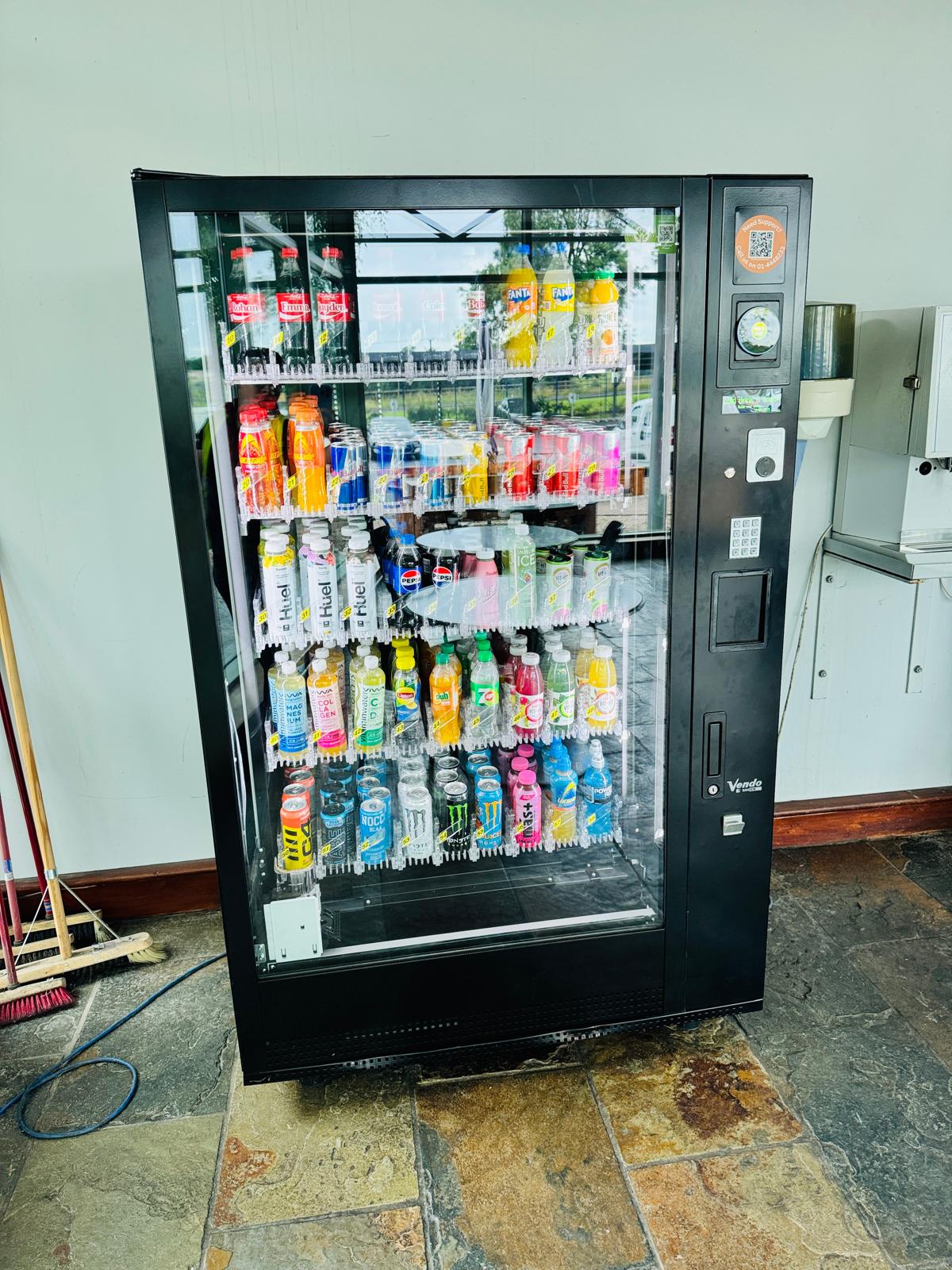
How Do I Analyze Foot Traffic to Select High-Performing Locations?
Choosing the right locations for vending machines is essential for success. Foot traffic plays a major role in determining sales, so analyzing patterns and observing how people move helps identify high-performing locations. By understanding where customers naturally gather, business owners can make informed decisions about machine placement. Strategic positioning not only attracts more users but also increases convenience for customers, ultimately maximizing profitability and ensuring the vending machines deliver consistent, long-term revenue.

Observe Peak Hours and Traffic Flow
A key step in analyzing foot traffic is observing peak hours and overall movement patterns. Note when areas are busiest and which routes people use most often. Tracking this information over several days or weeks provides a clear understanding of potential high-performing locations. Consistent observation helps ensure you select sites with steady, reliable foot traffic rather than areas that only experience occasional spikes. Additionally, consider external factors like weather, local events, and seasonal changes, as they can influence visitor patterns and affect the long-term performance of your vending machine placement.
Consider Customer Demographics
Understanding the types of people who frequent a location is essential for identifying high-performing locations. Age, preferences, and routines influence what products will sell. For instance, areas near schools or universities may favor snacks and beverages, while office buildings may benefit from healthier or convenient meal options. Aligning product selection with visitor demographics increases the likelihood of success.
Use Technology for Accurate Measurement
Modern tools make analyzing foot traffic more precise. Motion sensors, counters, and camera systems help measure the number of visitors passing by a location. These technologies provide accurate, real-time data that can identify trends and patterns. Using smart analytics, you can predict which sites are most likely to generate consistent revenue and qualify as high-performing locations.
Evaluate Surrounding Amenities
The presence of nearby amenities can significantly impact a vending machine’s performance. Cafes, gyms, parks, or community centers can naturally increase foot traffic. Observing how people interact with these areas helps determine the best placement. Locations that complement existing services often become high-performing locations because they attract people already visiting the area for other purposes.
Track Historical Data
Historical data from similar vending machines or nearby businesses can provide valuable insights. Understanding past sales trends and traffic patterns can guide decision-making. Combining this data with on-site observations strengthens your ability to predict success. At vending-machines.ie, we emphasize using historical insights along with real-time analysis to identify the most effective spots for new machines.
Test and Adjust Locations
Even after thorough research, testing different locations is essential. Start with temporary placements and monitor performance over a set period. Adjust based on sales data and observed foot traffic. This trial-and-error approach helps confirm which sites truly qualify as high-performing locations and ensures your vending machines achieve maximum revenue potential.
Conclusion: Optimize for Success
Analyzing foot traffic is a crucial step in selecting high-performing locations. By observing peak hours, considering demographics, leveraging technology, evaluating amenities, tracking historical data, and testing placements, business owners can make informed decisions. Effective analysis ensures vending machines are placed where they will generate consistent sales and satisfy customer needs. Contact us to learn more about identifying high-performing locations and maximizing the potential of your vending machines.