
A Vending Fault Report Contains the Wrong Machine Number: Correct the Existing Case
If a vending fault report contains the wrong machine number, correct it as soon as you notice. The symptoms may be described accurately, but the identifier can send the investigation towards a different cabinet or site. Keep the original case reference and explain the correction clearly. Opening a completely new complaint without linking the history can leave two teams working from conflicting information about the same incident.
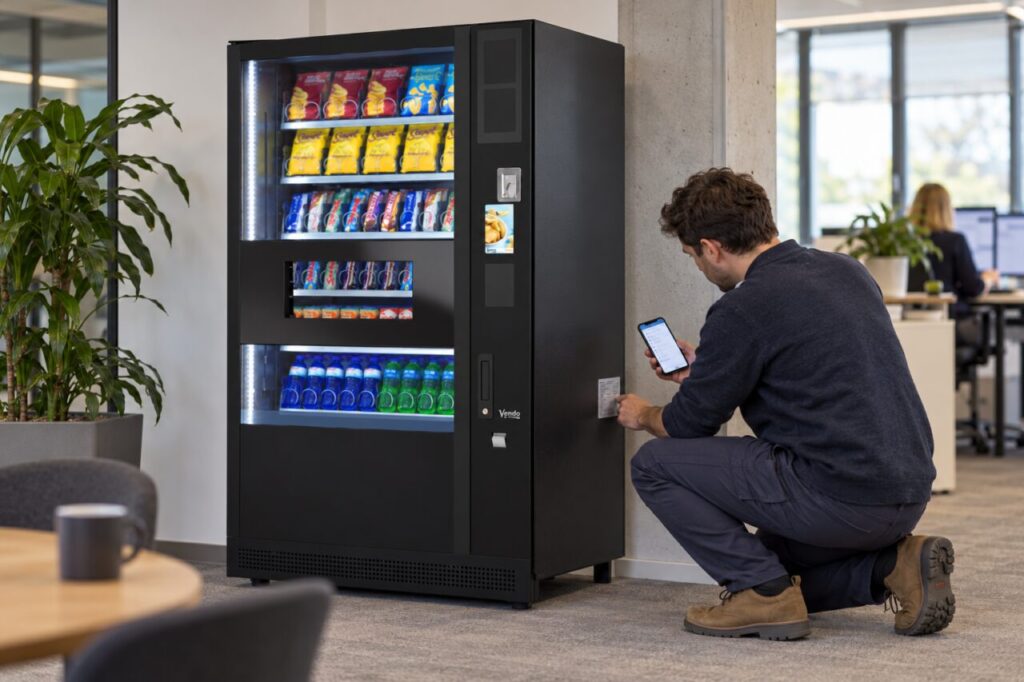
Confirm the correct identity
Check the machine identifier from the normal customer area and compare it with the number in your report. Include the building, floor and nearby landmark. If two cabinets stand together, describe which one was involved and the type of products it contains. Do not move the machine or reach behind it to find a plate that is not safely accessible.
If the label is missing or unreadable, tell support exactly that. A location photograph and a description may help the operator identify it from their own records. Avoid copying the payment terminal number into a machine-number field without explaining what it is. Different references can be useful, but only when the receiving person knows what each one identifies.
Preserve the original symptoms
State that the identifier was wrong and whether the rest of the report is unchanged. Repeat the purchase time, selected product and relevant symptom if needed to remove ambiguity. If you also discover that the time or payment method was mistaken, list those changes separately. A correction should make the record clearer rather than replacing the original story with an unexplained new version.
For example, a useful update says that case ABC concerns the snack machine beside the lift, not the drinks machine at reception, and that the reported purchase time remains the same. Use your actual case reference rather than this illustrative example. Include any photographs already supplied so that support can tell which machine they show.
Tell the right people promptly
Reply through the existing verified support channel and ask for acknowledgement of the corrected identity. If a visit has already been arranged, mention that explicitly so the coordinator can check the instructions before the engineer arrives. Do not assume an email correction has automatically changed a separate appointment note or a receptionist’s printed handover sheet.
The fully managed service information explains that case logging and technical attendance are separate steps. Accurate identification supports both. Use the current contact route from the vending service overview and keep any site colleagues who are coordinating access informed of the correction.
Close the duplicate trail
If another person has already reported the same incident under the incorrect number, give support both case references. Ask whether the records should be linked. Do not delete useful history or tell colleagues that a fault has been resolved merely because the identifier has been corrected. The underlying issue still needs its own assessment and outcome.
After the case is updated, check the site contact list or notice that caused the error. If an old asset number was copied from a shared document, have the responsible person correct that document. Keep machine-specific details beside the correct location and avoid reusing labels between cabinets. The practical goal is one accurate incident history attached to the right equipment, with a clear record of what changed and why.
Related guidance: A Vending Fault Returns After the Case Closes: Reconnect the History.
Planning vending at your site? Contact the team with your location, equipment details and requirements.