Are Multi-Product Machines More Profitable Than Single-Product Ones?
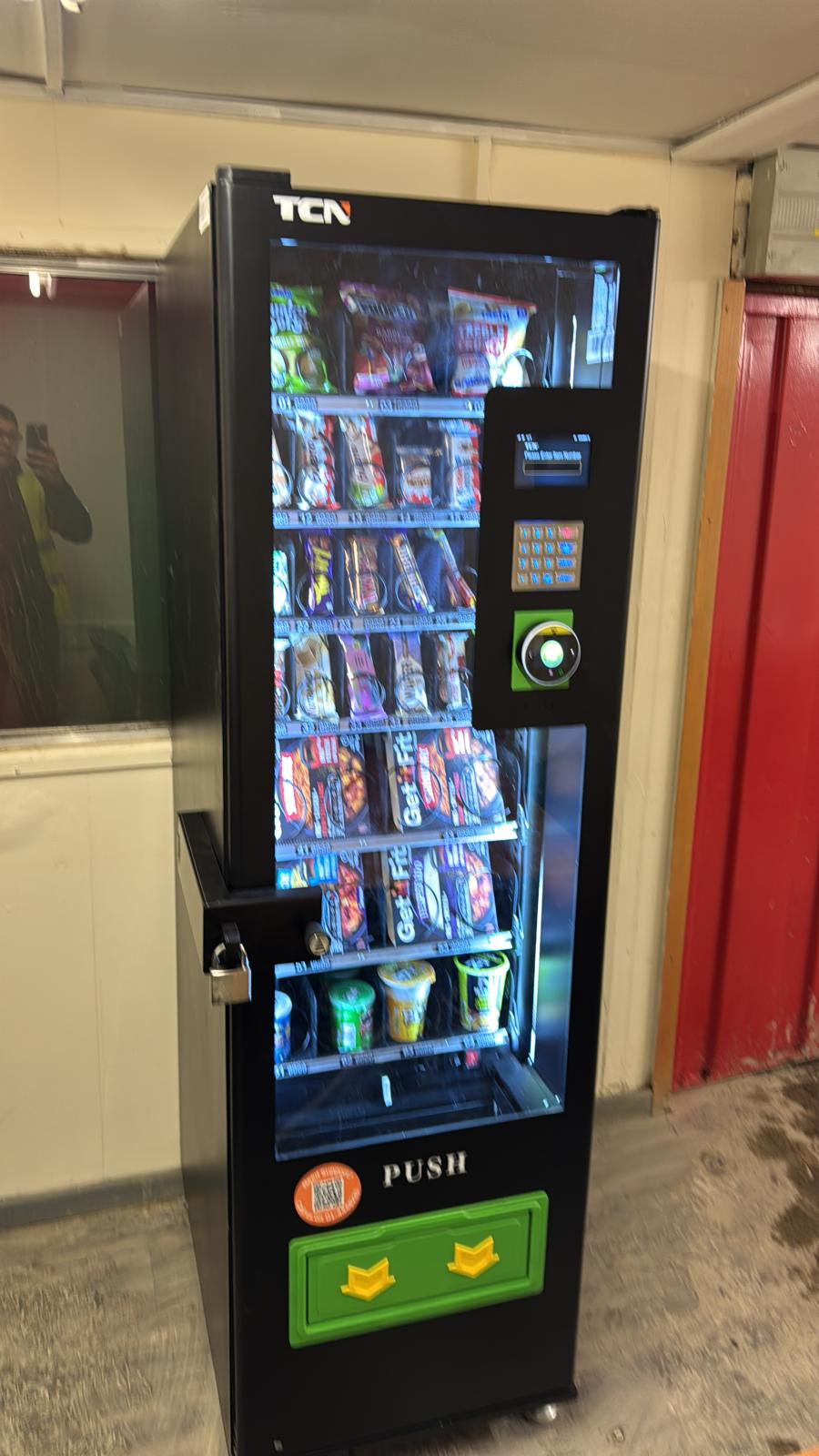
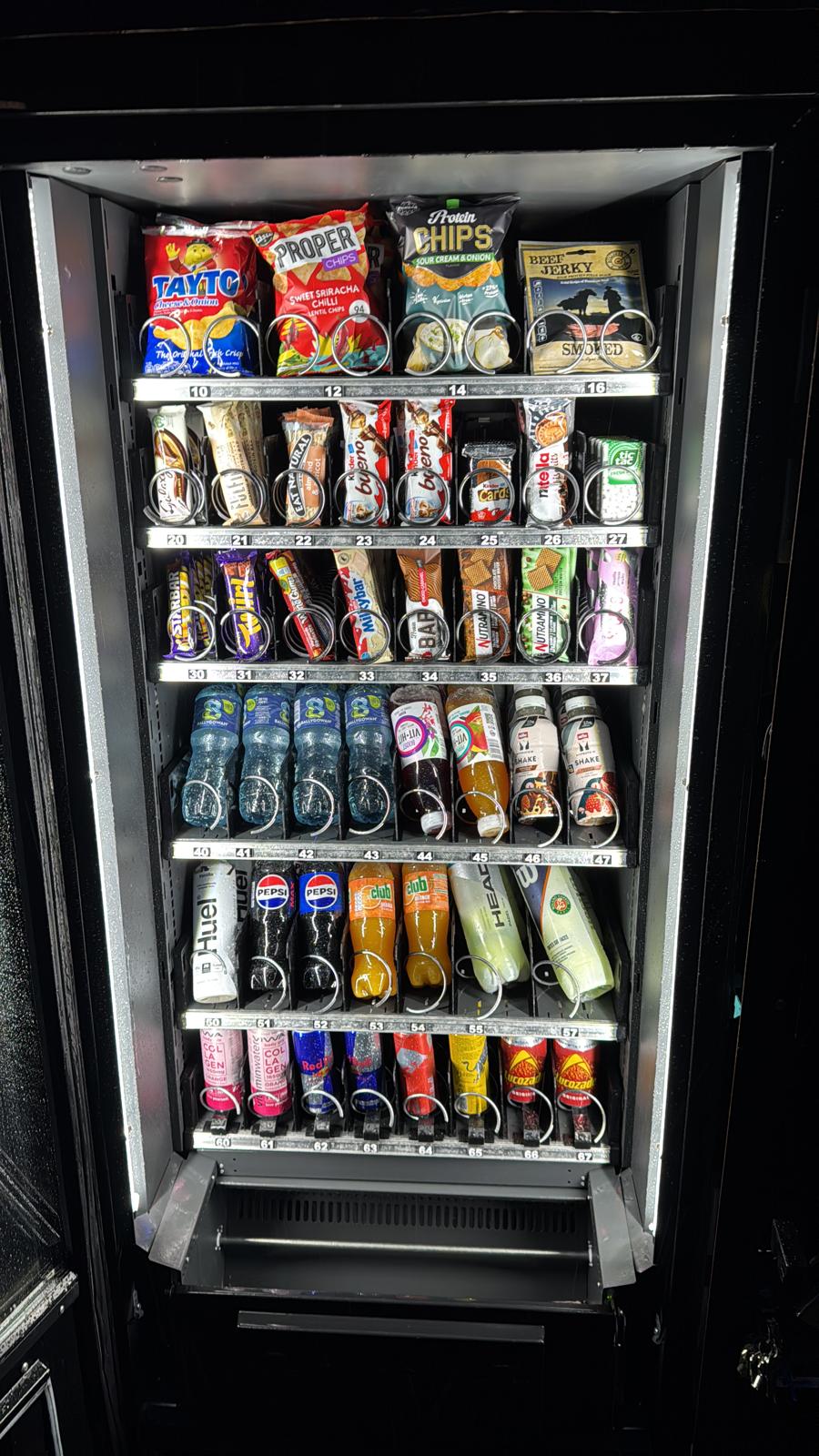
Vending operators often wonder whether multi-product machines are more profitable than single-product machines. While single-product machines are simple and easy to manage, they limit customer choice. Multi-product machines, on the other hand, offer a variety of items that can appeal to a wider audience. By increasing options, operators can boost sales, meet customer preferences, and improve overall revenue. Understanding the differences in profitability between these two types of machines helps operators make informed decisions and maximize returns on their investment.
Why Multi-Product Machines Can Be More Profitable
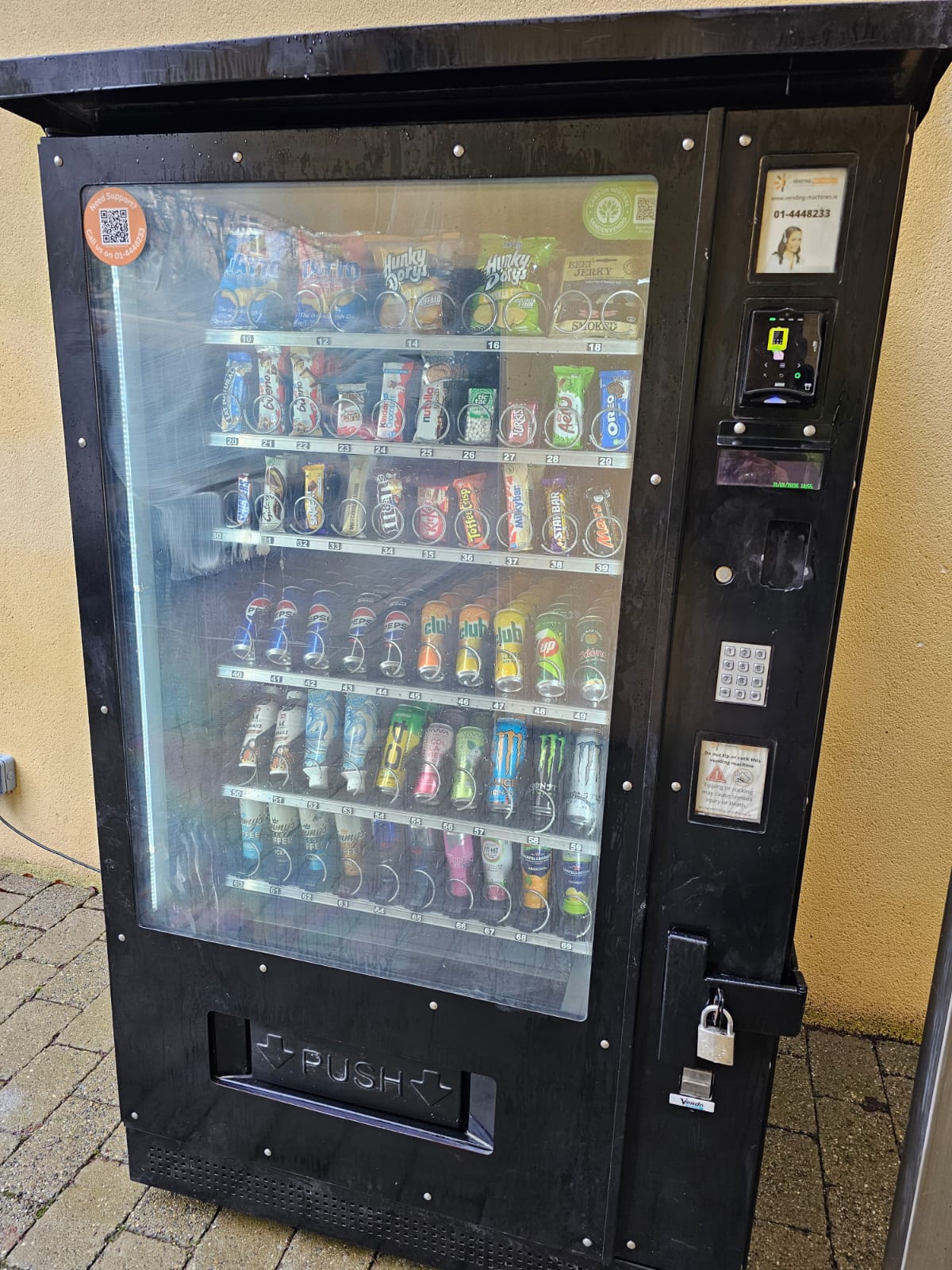
Multi-product machines let operators offer a wide range of snacks, drinks, and convenience items in one unit. Offering more choices often increases sales per visit, as customers are more likely to make impulse purchases when appealing options are available. Compared to single-product machines, multi-product units can generate higher revenue. Over time, this variety helps meet diverse customer preferences and boosts overall profitability. Consequently, multi-product machines are often a smarter choice for locations where customer needs vary and sales potential is high.
Limitations of Single-Product Machines
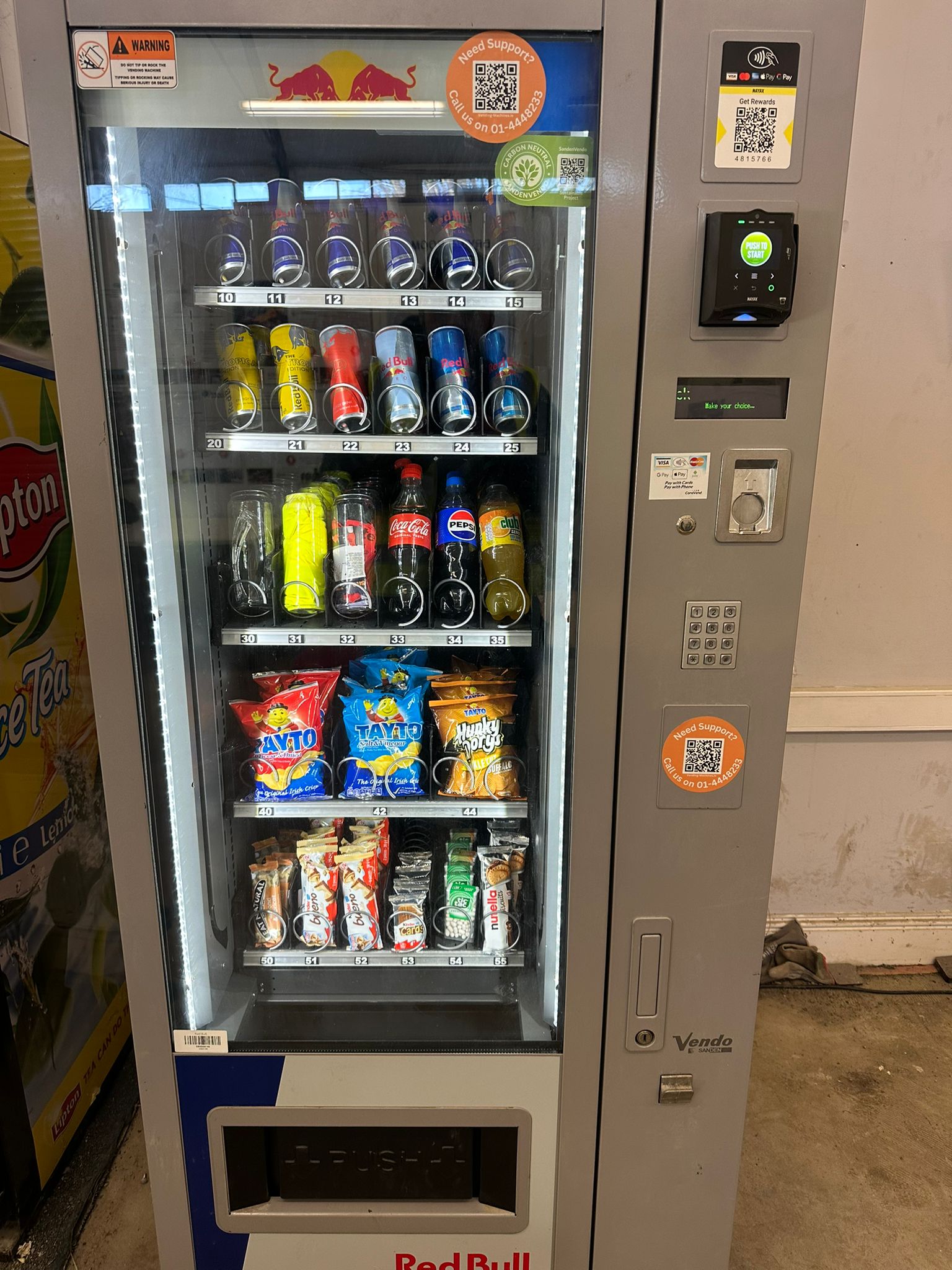
Single-product machines focus on one item, such as bottled water or energy drinks. While these machines are cheaper and easier to restock, they restrict customer choice. Fewer options may reduce impulse purchases and overall sales. Consequently, operators may miss out on potential revenue that multi-product machines could capture. Despite their simplicity, single-product machines are often less profitable in high-traffic locations where customers expect variety.
Using Data to Determine Profitability
Analytics play a critical role in identifying which machine type is more profitable. Sales reports can show which products sell best, at what times, and in which locations. Many operators who manage machines through platforms like vending-machines.ie use real-time data to track performance. By analyzing this information, operators can determine whether offering multiple products leads to higher overall revenue compared to single-product machines. Data-driven decisions ensure machines remain profitable over time.
Optimizing Inventory in Multi-Product Machines
One key to making multi-product machines more profitable is effective inventory management. Operators should stock products that sell well and rotate items based on seasonal trends. In addition, removing slow-moving products reduces waste and maximizes revenue. Regular monitoring and adjustments ensure that the machine consistently meets customer demand, making it more profitable than single-product options in most settings.
Customer Experience and Profitability
Customer satisfaction affects profitability directly. Multi-product machines provide a better experience because users can choose their preferred items. This convenience encourages repeat purchases and increases overall sales. By contrast, single-product machines may only meet the needs of a limited audience. Enhancing customer experience with variety contributes to higher revenue, demonstrating why multi-product machines are often more profitable.
Long-Term Benefits of Multi-Product Machines
Multi-product machines offer flexibility, increased sales potential, and better adaptability to customer trends. They allow operators to test new products, adjust pricing, and respond to seasonal demand more effectively. Over time, these advantages make multi-product machines more profitable than single-product machines. If you want guidance on maximizing your vending machine revenue and choosing the right products, contact us to learn more about smart vending strategies.