Are Robots and Vending Machines Converging?
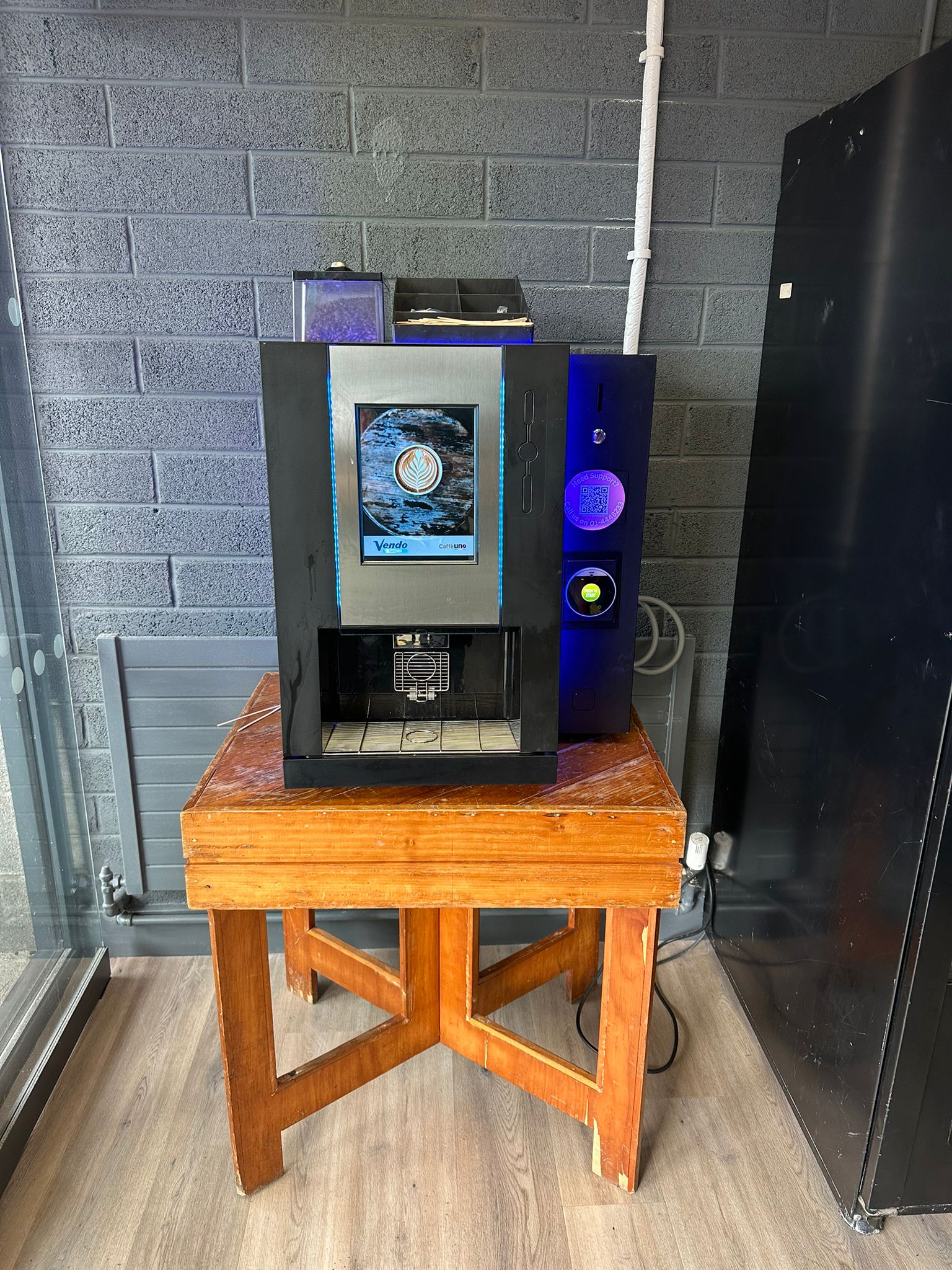
Vending machines have changed a lot in recent years. In the past, they simply stored products and accepted payments. Today, technology plays a much larger role in their operation. As a result, many people wonder whether robots and vending machines are starting to merge. While they remain different technologies, there are clear signs that the gap between them is becoming smaller. Furthermore, advances in software, sensors, and artificial intelligence continue to support this trend.
How Vending Machine Automation Is Changing Retail
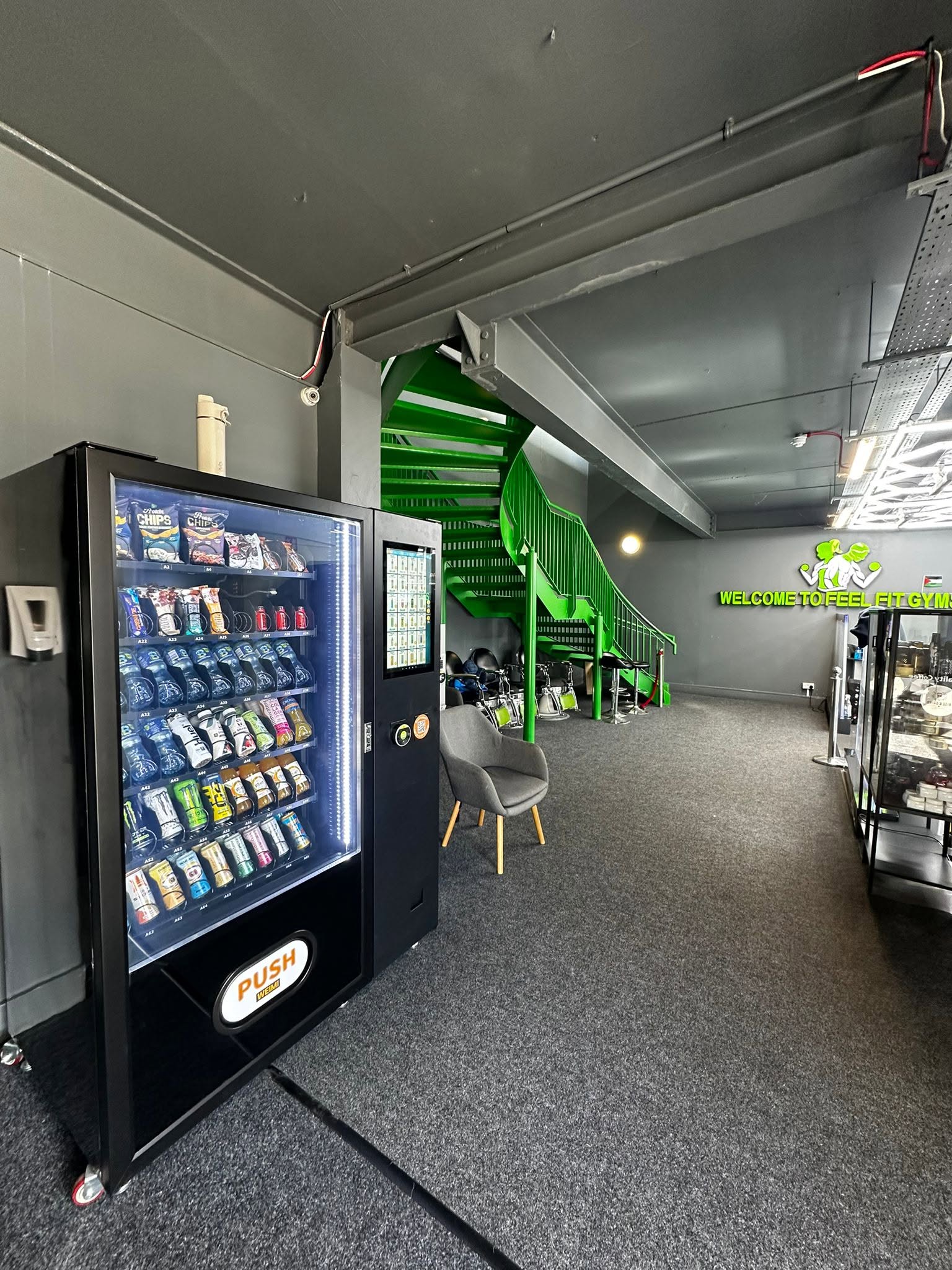
Modern vending machine automation allows machines to perform tasks that once required human involvement. For example, many units can track inventory levels, monitor sales, and report maintenance needs automatically. As a result, operators can manage machines more efficiently. In addition, customers enjoy a faster and more convenient purchasing experience. Therefore, automation has become a major driver of innovation in the vending industry.
Why Robots and Vending Machines Share Similar Features
Robots and vending machines now rely on many of the same technologies. Both can use sensors, cameras, and advanced software to make decisions. Moreover, some vending systems can recognize products, process cashless payments, and provide personalized recommendations. Because of these capabilities, the line between traditional vending equipment and robotic systems appears less distinct than before.
The Role of Vending Machine Automation in Smart Operations
As vending machine automation becomes more advanced, machines can handle increasingly complex tasks. For instance, they can monitor product freshness, analyze purchasing patterns, and optimize stock levels. Consequently, businesses gain valuable data that helps improve performance. Meanwhile, customers benefit from better product availability and shorter transaction times. You can see examples of modern vending technology developments across the industry, including solutions highlighted by vending-machines.ie.
Could Robotic Technology Enhance Customer Experiences?
Robotic features may further improve how people interact with vending machines. For example, future systems could use robotic arms to prepare customized products or organize inventory inside the machine. Additionally, artificial intelligence could provide more personalized recommendations based on customer preferences. As technology evolves, these features may become more common. Therefore, customers could enjoy a more engaging and efficient buying experience.
Future Trends Driven by Vending Machine Automation
The future of vending machine automation will likely include greater connectivity and smarter decision making. Machines may communicate with other devices, predict demand more accurately, and reduce operational costs. Furthermore, cloud based systems can help operators monitor large networks from a single location. Because businesses seek greater efficiency, investment in automation technologies continues to grow. As a result, vending machines are becoming more intelligent every year.
What the Convergence Means for the Industry
Although vending machines are not fully robotic today, the technologies behind them are moving closer together. Automation, artificial intelligence, and advanced sensors continue to shape the future of self service retail. Consequently, businesses can deliver better service while reducing operational challenges. At the same time, customers receive greater convenience and more personalized experiences. The growing influence of vending machine automation suggests that the convergence of robots and vending machines will remain an important industry trend. If you would like to learn more about modern vending solutions, contact us today.