
Are Smart Machines Profitable in Rural or Low-Traffic Areas?
Smart vending technology continues to change how operators think about placement and returns. However, many business owners still ask whether advanced equipment can succeed outside busy cities. In rural or low traffic locations, profit depends on planning, data, and expectations. Therefore, understanding how smart machines perform in these areas is essential before investing, evaluating costs carefully, choosing locations with stable demand, setting realistic revenue goals, and preparing for long term operational efficiency and growth while considering customer habits, service frequency, seasonal demand shifts, and reliable connectivity to ensure consistent performance.
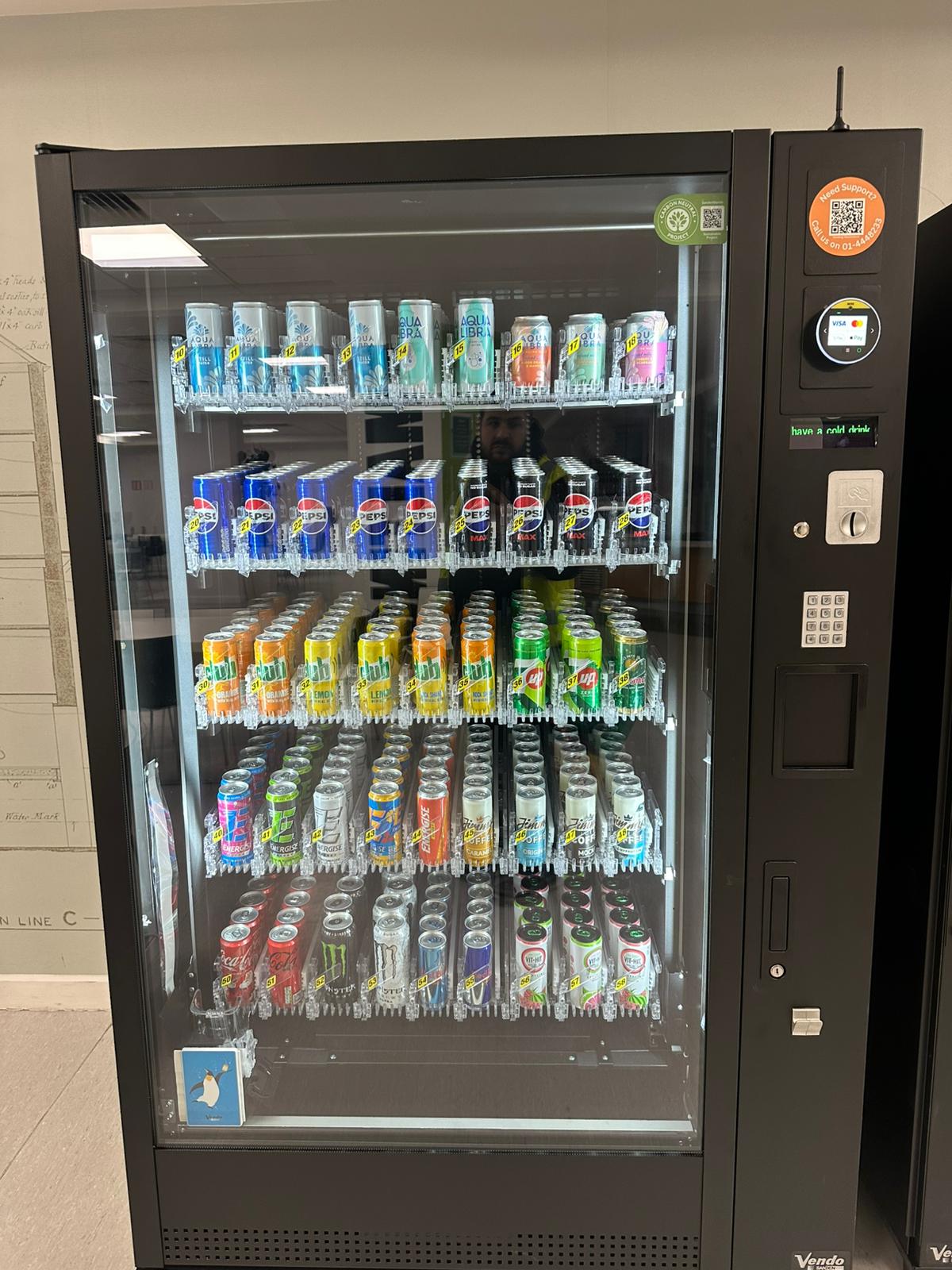
Understanding Smart Machines in Rural Locations
Smart machines use connected systems to track sales, inventory, and performance in real time. As a result, operators gain better control even when foot traffic is limited. In rural settings, this visibility becomes especially valuable. For example, owners can restock only when needed and avoid wasted trips. Consequently, operating costs often stay lower than with traditional equipment. Moreover, smart machines help identify what products sell best in specific communities. Therefore, machines can be customized for local needs rather than guessing demand. This flexibility often improves customer satisfaction and repeat use. As a result, even small locations can deliver steady returns over time.
Why Smart Machines Can Work in Low Traffic Areas
Low traffic does not always mean low opportunity. Instead, it often means fewer competitors. These systems can serve places where retail options are limited. For instance, community centers, clinics, and transport stops may have consistent but modest demand. Therefore, dependable service matters more than volume. Additionally, cashless payments play a major role. Many customers now prefer cards or mobile payments. Because these machines support such options, fewer sales are lost. As a result, conversion rates can remain strong even with fewer visitors. Meanwhile, remote monitoring allows quick responses to issues, which builds trust with users.
Cost and Revenue Factors for Smart Machines
Upfront costs for smart machines are higher than for basic models. However, ongoing savings often balance this over time. For example, energy monitoring reduces waste, and predictive maintenance prevents major breakdowns. Therefore, unexpected repair expenses become less common. Pricing strategies also matter. In rural areas, fair pricing builds loyalty. Smart machines allow flexible pricing and promotions based on demand. Consequently, operators can test offers without visiting the site. Many operators who work with vending-machines.ie focus on long term efficiency rather than short term volume. As a result, profit goals stay realistic and achievable.
When Smart Machines May Not Be Ideal
Despite the benefits, smart machines are not perfect for every location. Extremely isolated areas with very low usage may struggle to justify the investment. Therefore, site analysis remains critical. Reliable power and network access are also required. Without them, performance features lose value. However, these challenges can often be identified early. As a result, careful planning helps avoid poor placement decisions. Even then, some locations may be better served by simpler solutions.
Making the Final Decision
In conclusion, smart machines can be profitable in rural or low traffic areas when placed thoughtfully. Although volume is lower, efficiency and data often compensate. Therefore, success depends on matching technology to location needs. If you are exploring options or need guidance, contact us to discuss the best approach for your location.


