Are Smart Vending Machines Viable in Low-Footfall Locations?
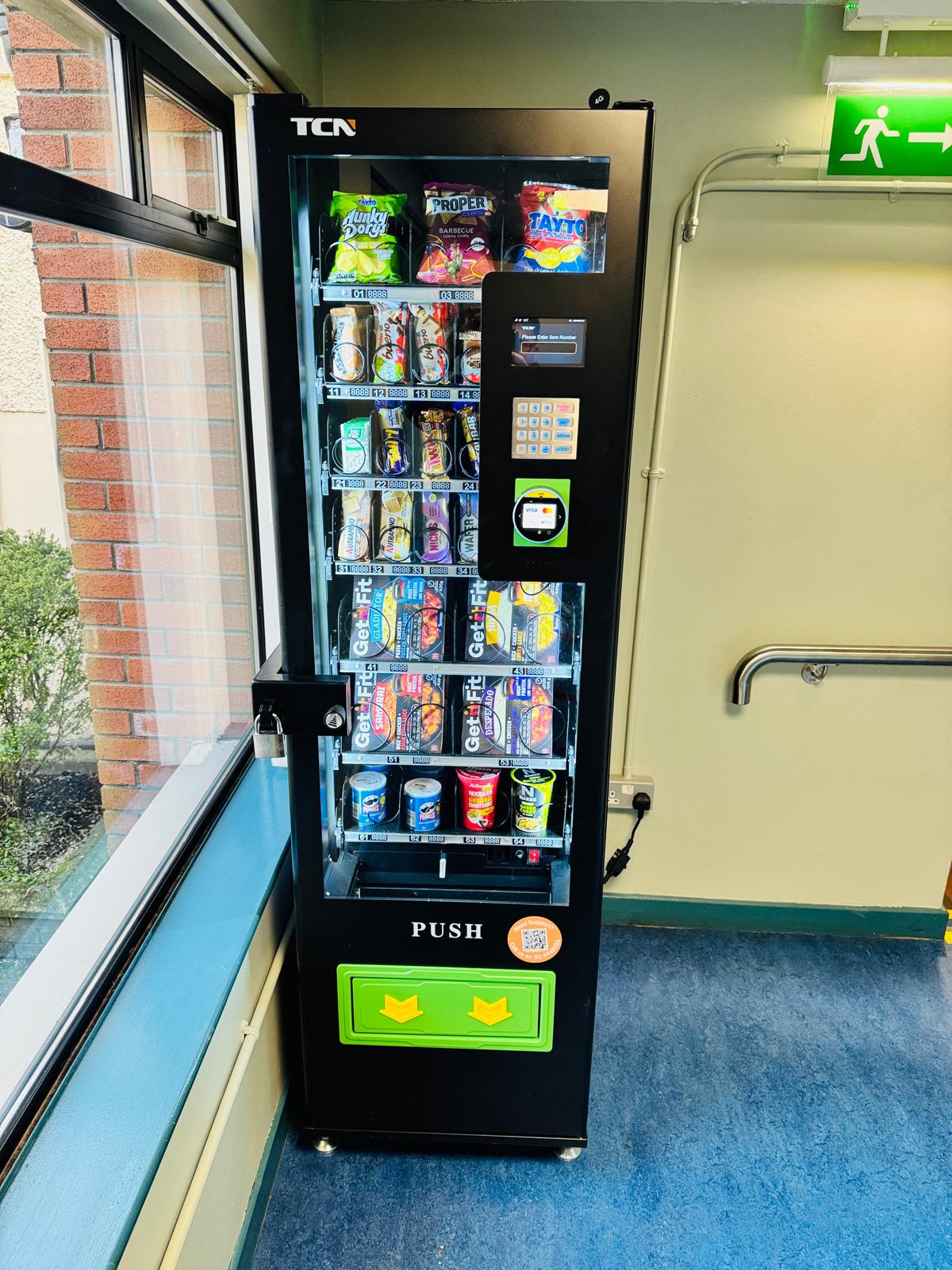
Smart vending machines have transformed the vending industry by offering more than just snacks or drinks. They provide interactive experiences, cashless payment options, and real-time inventory tracking, making operations more efficient and customer-friendly. Many businesses question whether these machines can remain profitable in low-footfall locations. While limited traffic may seem like a challenge, the combination of smart technology, strategic product selection, and careful planning can make vending machines viable even in quieter areas. With the right approach, these machines can generate consistent revenue and enhance customer satisfaction.
Understanding Low-Footfall Locations
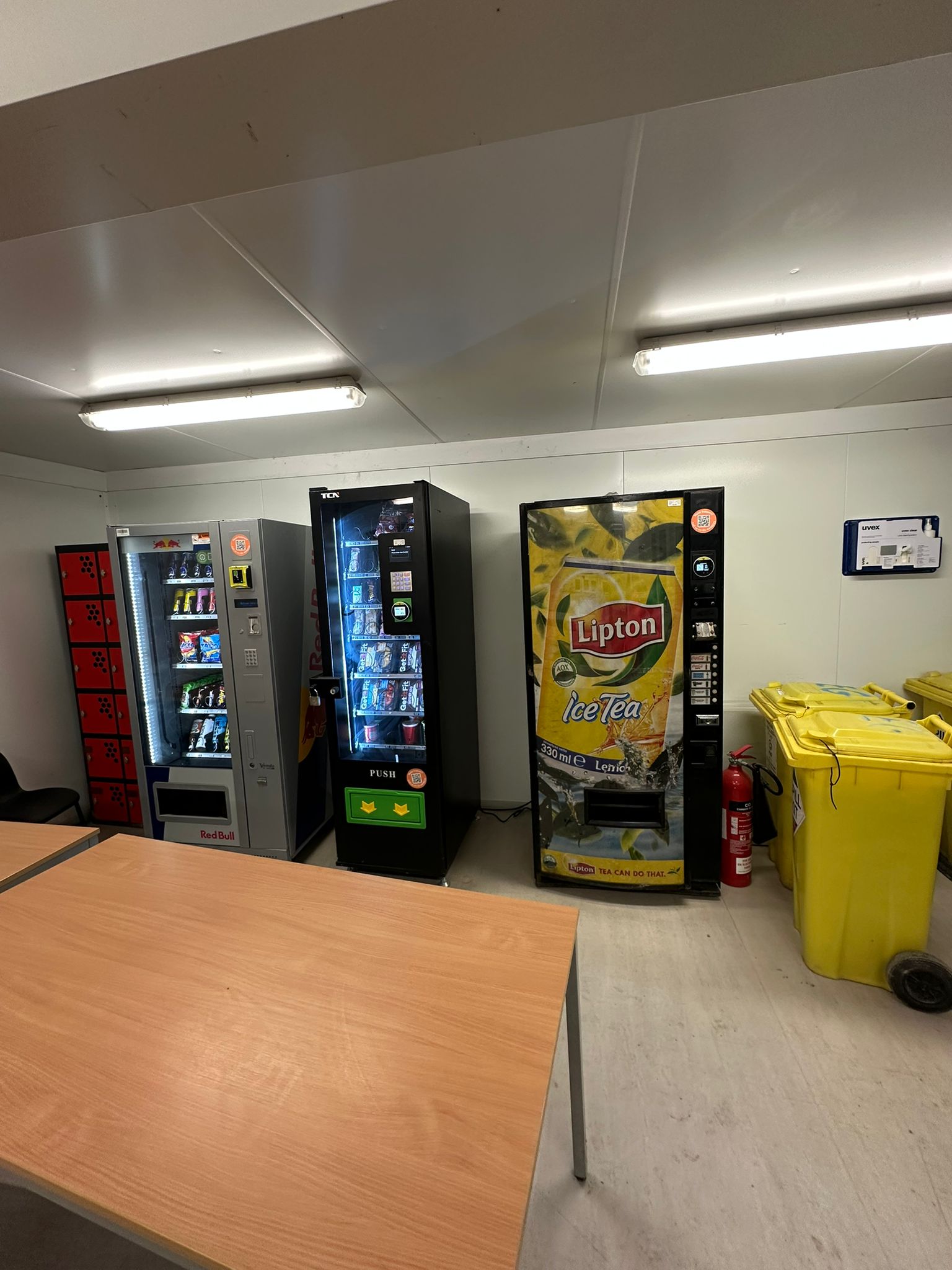
Low-footfall locations are areas where customer traffic is limited, such as office buildings, small residential complexes, or niche commercial spaces. These areas do not see constant foot traffic, which can affect sales volume. However, placing a smart vending machine strategically and monitoring product choices can help maximize revenue. Even limited transactions can be profitable with the right approach.
Advantages of Smart Vending Machines in Low-Footfall Locations
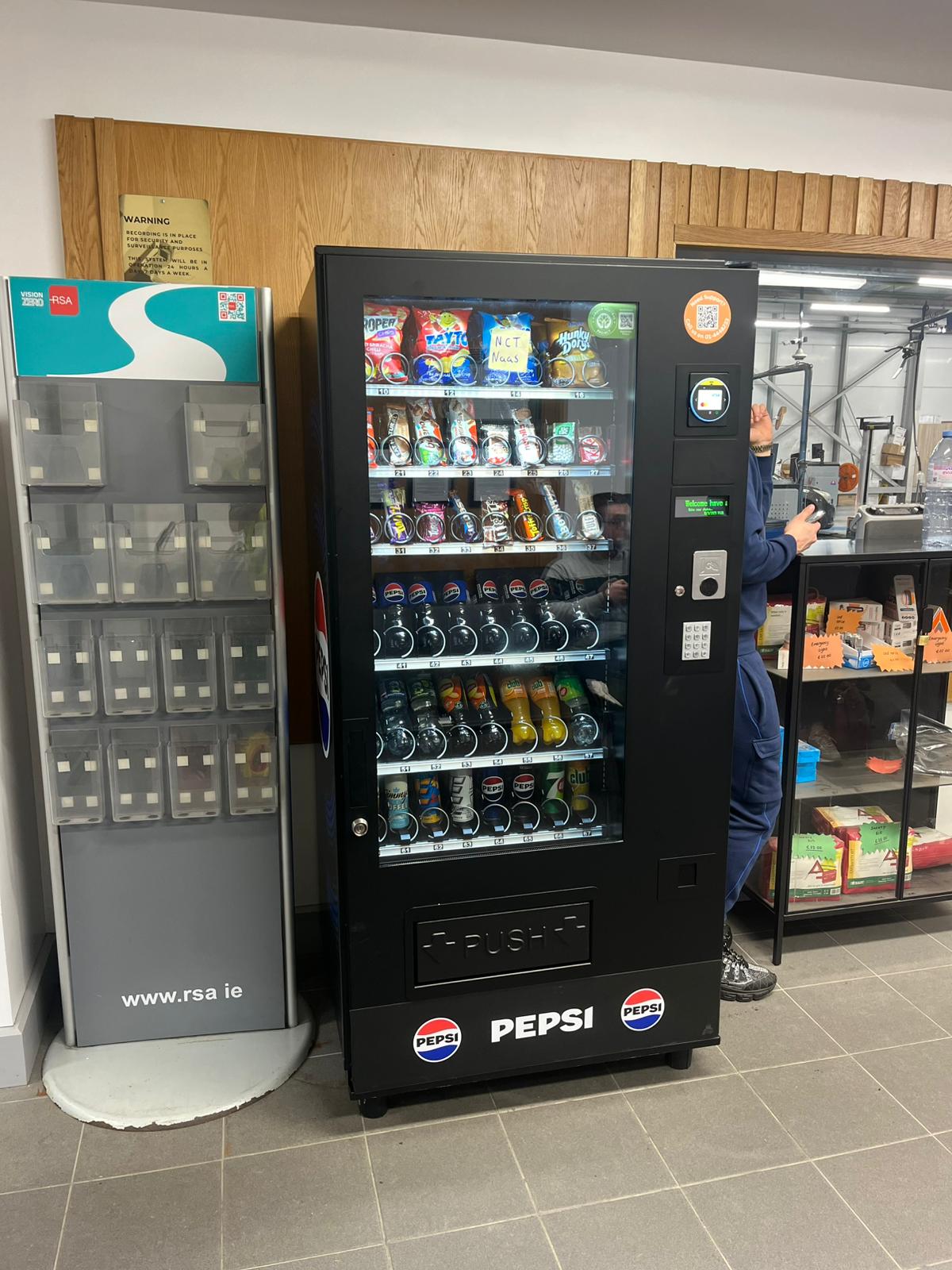
Smart vending machines offer benefits that traditional machines cannot. They accept multiple cashless payment methods, allowing customers to buy products even without cash. They can also track sales data in real time, helping operators adjust stock according to actual demand. With advanced analytics, businesses can understand which products perform best and which need to be replaced, making operations more efficient.
Optimizing Product Selection
In low-footfall locations, choosing the right products is crucial. Focus on items that have consistent demand and appeal to the target audience in the area. Seasonal items or limited-edition products can also attract occasional buyers. By analyzing sales data regularly, operators can optimize the machine’s stock to reduce waste and improve profitability. Smart vending machines make this process easier with automated monitoring and alerts.
Cost Management in Low-Footfall Locations
Profitability depends not only on sales but also on managing costs effectively. Machines in low-footfall locations should minimize operating expenses, including electricity, restocking, and maintenance. Smart vending machines reduce costs by sending automatic alerts when stock is low or when maintenance is needed. Using technology to manage these aspects ensures machines remain operational without excessive human intervention.
Marketing Strategies to Increase Usage
Even in low-footfall locations, targeted marketing can boost machine usage. Clear signage, promotions, or loyalty programs can attract attention and encourage repeat purchases. Social media campaigns or internal communications in offices can remind potential customers about available products. Over time, these efforts increase customer awareness and transaction frequency, making low-footfall locations more viable.
Leveraging Technology and Insights
Operators can gain valuable insights using smart vending machines. Data on sales, peak usage times, and product preferences helps make informed decisions. Platforms like vending-machines.ie provide solutions to monitor machines remotely, adjust offerings, and track performance efficiently. By leveraging these insights, businesses can improve revenue and maintain profitability even in areas with limited traffic.
Conclusion
Smart vending machines can be viable in low-footfall locations if they are managed carefully. Strategic product selection, cost control, and the use of technology allow operators to maximize profits. Marketing and customer engagement also play key roles. For guidance on setting up or optimizing machines in low-footfall areas, contact us to learn how smart vending solutions can work effectively for your business.