
Are Subscription Vending Machines Profitable in Schools?
Schools are always looking for smarter ways to provide snacks and drinks to students, while operators seek predictable and steady revenue streams. This has led many to ask whether subscription vending machines can truly deliver consistent profits in school settings. Unlike traditional vending machines, subscription models rely on prepaid plans that generate recurring income, reducing reliance on daily cash transactions. As a result, operators can achieve improved financial stability. However, achieving true profitability requires careful planning, setting appropriate pricing, offering appealing product options, and ensuring strong student participation. When executed well, these machines can benefit both schools and operators alike.
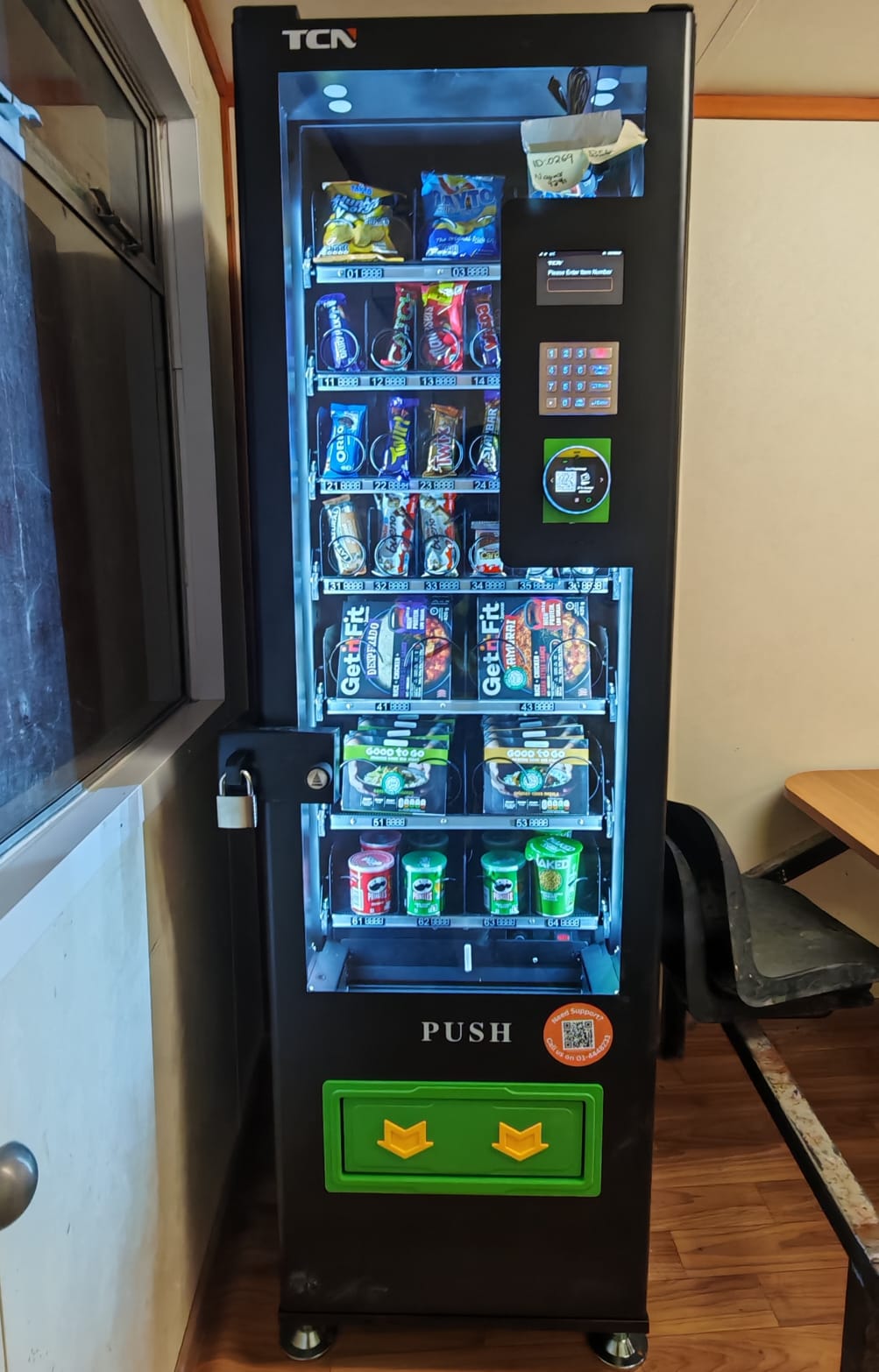
How Subscription Vending Machines Work in Schools
Subscription vending machines give students access to snacks and drinks through weekly or monthly prepaid plans. Each student typically receives a set number of items per day based on their chosen package. Collecting payments in advance reduces cash handling and improves financial forecasting for operators. Schools also value systems that promote spending control and budgeting. This structured approach aligns well with school policies, supports healthier purchasing habits, and ensures smoother operations when implemented thoughtfully and monitored for participation and satisfaction.
Benefits of Subscription Vending Machines for School Communities
Installing subscription vending machines in schools offers several advantages. Recurring payments provide consistent income, reducing reliance on impulse purchases. Administrators can influence product selection to focus on healthier options, which helps gain approval. Parents appreciate prepaid systems because they make it easier to manage student spending. Additionally, students benefit from the convenience of having easy access to snacks and drinks without carrying cash daily. Overall, subscription vending machines build trust among schools, families, and operators while creating a more streamlined and reliable system for both revenue and student satisfaction.
Key Factors That Influence Profitability
Although subscription vending machines offer stability, pricing must reflect product costs and expected usage to maintain healthy margins. Furthermore, strong participation rates are essential for profitability. Operators should evaluate school size, student demand, and buying habits before launching a program. In addition, clear communication about plan benefits increases enrollment. For deeper operational insight, many explore practical guidance from vending-machines.ie when planning structured vending solutions.
Challenges Schools Should Consider
Despite the benefits, challenges still exist. Not all students will opt for a prepaid plan, so participation can vary. Operators must also coordinate with school administrators to comply with nutrition guidelines and payment rules. Low usage may lead to increased product waste. However, careful monitoring, regular adjustments, and responsive planning can minimize these risks. With consistent oversight and flexibility, subscription vending machines can maintain steady performance, support profitability, and provide a reliable, convenient option for both students and school operators over the long term.
Final Thoughts
Subscription vending machines can be profitable when pricing, demand, and product selection align effectively. They offer predictable revenue, help control student spending, and simplify operations. However, operators should research each school environment carefully before installation to ensure success. With thoughtful planning and ongoing evaluation, schools can enjoy financial stability and convenient access to snacks and drinks for students. For personalized advice and guidance tailored to your location, contact us today to explore the most effective strategies and next steps.


