Are There Profitable Niches for Boutique or Specialty Food Vending?
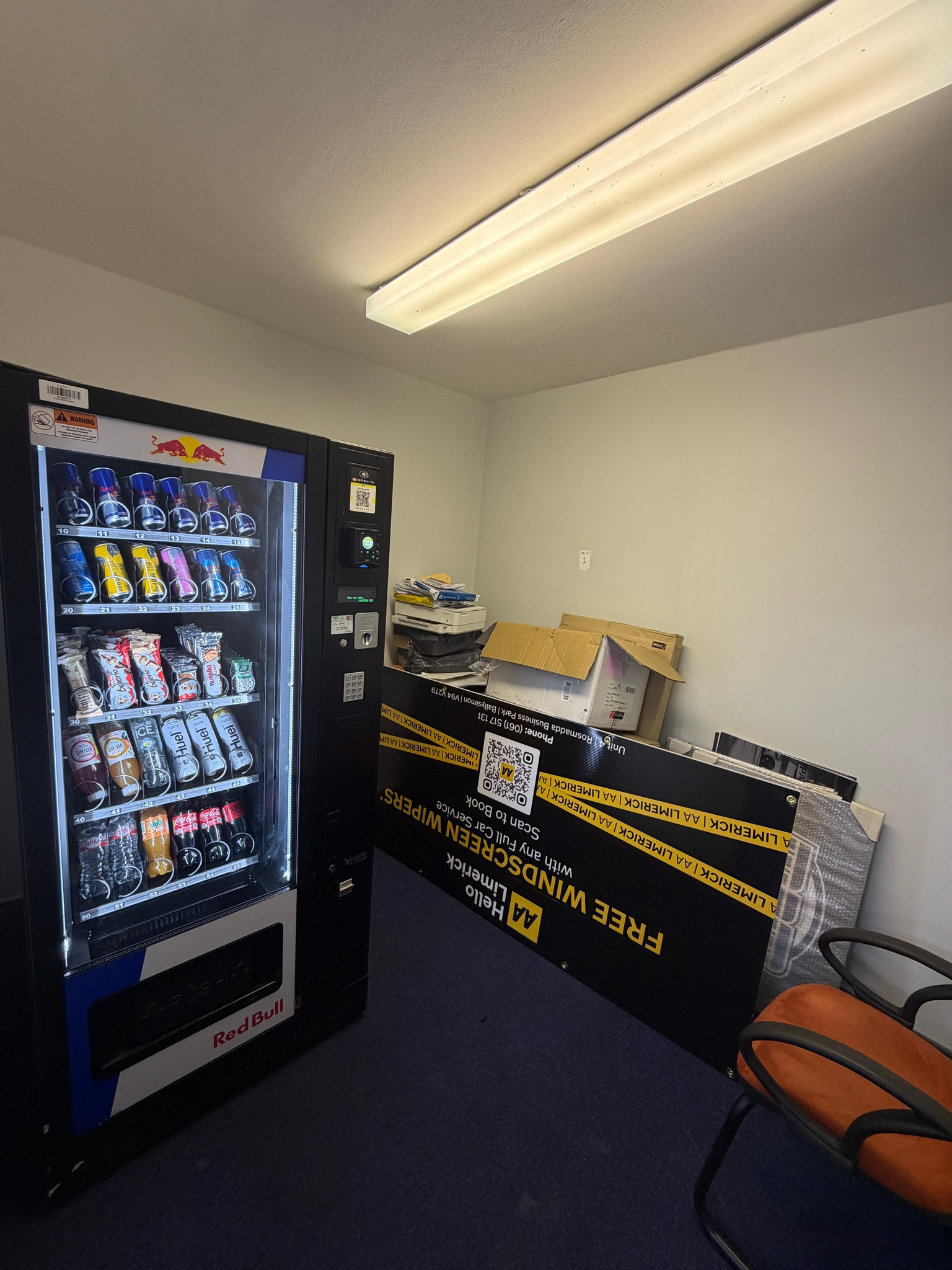
Specialty food vending presents an exciting opportunity for entrepreneurs who want to offer unique and high-quality products. As consumer tastes evolve, interest in artisanal, organic, and gourmet foods continues to grow, making vending machines more than just a source for snacks and beverages. Identifying profitable niches allows operators to stand out in the market and attract loyal customers. By analyzing trends, understanding customer preferences, and offering carefully selected products, specialty food vending can maximize revenue, reduce waste, and create a memorable and rewarding experience for every customer.
Why Specialty Food Vending Is Gaining Popularity
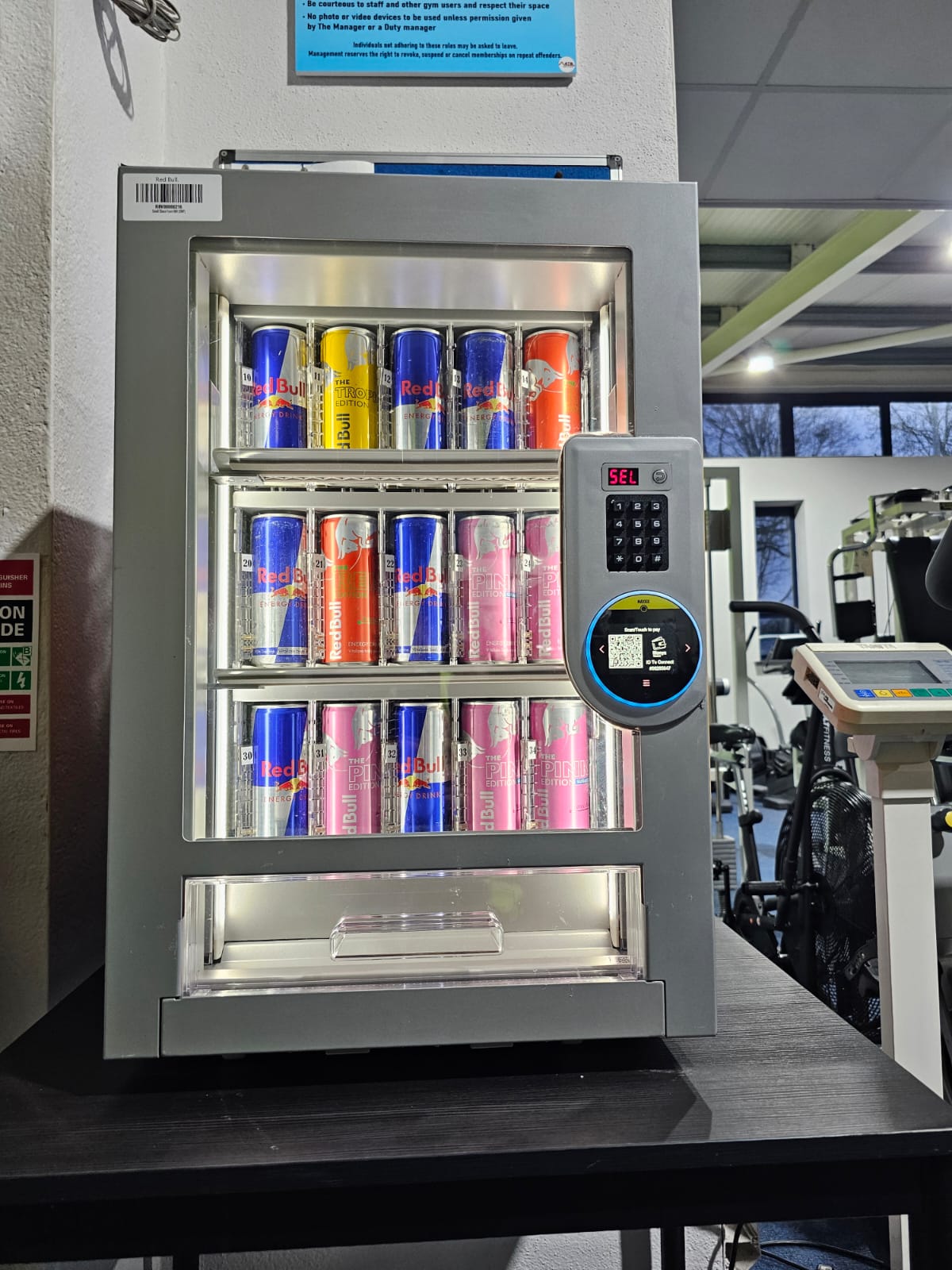
Specialty food vending serves customers looking for high-quality, unique, and artisanal products. These vending machines often feature gourmet chocolates, organic snacks, protein-packed options, or diverse ethnic foods. Shoppers are attracted by novelty, quality, and convenience, which traditional vending machines may lack. By providing products that stand out, operators can increase customer engagement and encourage repeat purchases. This approach not only boosts sales per item but also creates a profitable and sustainable business model. It allows operators to meet evolving customer preferences while enhancing the overall shopping experience.
Identifying Profitable Niches
Finding profitable niches starts with research. Certain categories consistently perform well, such as gluten-free snacks, vegan treats, high-protein foods, and locally sourced products. Seasonal items and limited-edition releases also attract attention. By understanding local demand and demographic preferences, operators can tailor their specialty food vending machines to meet specific customer needs. These insights help reduce waste and ensure consistent profitability.
Leveraging Technology for Specialty Food Vending
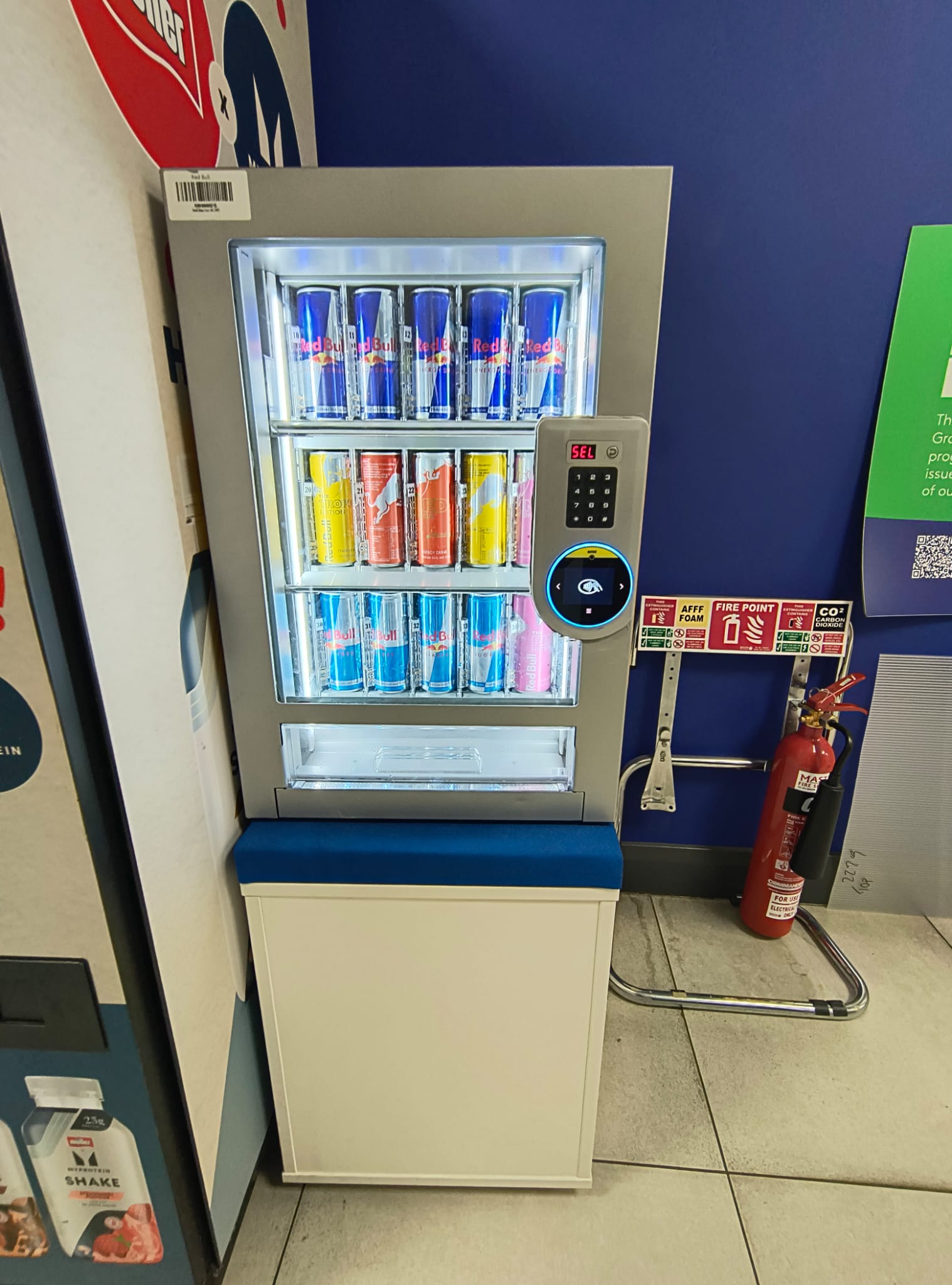
Modern vending machines can display detailed product information, track inventory, and even offer personalized recommendations. Touchscreen interfaces allow operators to showcase the unique features of each product, including ingredients, nutritional value, and origin. Using analytics, operators can identify trends in customer purchases and adjust inventory accordingly. Tools provided by vending machine providers, such as vending-machines.ie, make it easier to manage multiple machines while maintaining efficiency and maximizing sales.
Marketing and Customer Engagement
Marketing is crucial for specialty food vending success. Highlighting the uniqueness of products, offering samples, or running promotions can increase customer interest. Social media and on-site signage can educate consumers about the quality and value of the products. Engaging customers through loyalty programs or seasonal offerings encourages repeat purchases and builds brand loyalty. A strong marketing approach makes specialty food vending machines more visible and appealing.
Maintaining Quality and Consistency
High-quality products and consistent service are vital. Specialty food items often have shorter shelf lives, so careful inventory management is essential. Regular restocking, proper storage, and clear labeling help maintain product freshness and customer satisfaction. Offering consistently high-quality items increases trust and ensures long-term profitability for specialty food vending operations.
Conclusion
Profitable niches for boutique or specialty food vending do exist, provided operators focus on quality, customer preferences, and smart inventory management. By identifying trends, leveraging technology, and engaging customers, vending machines can offer unique products that stand out in the market. Specialty food vending is more than just convenience; it is an opportunity to provide memorable experiences while increasing revenue. For guidance on launching or optimizing specialty food vending machines, contact us today.