Are Touchless Vending Machines Safer for Public Health?
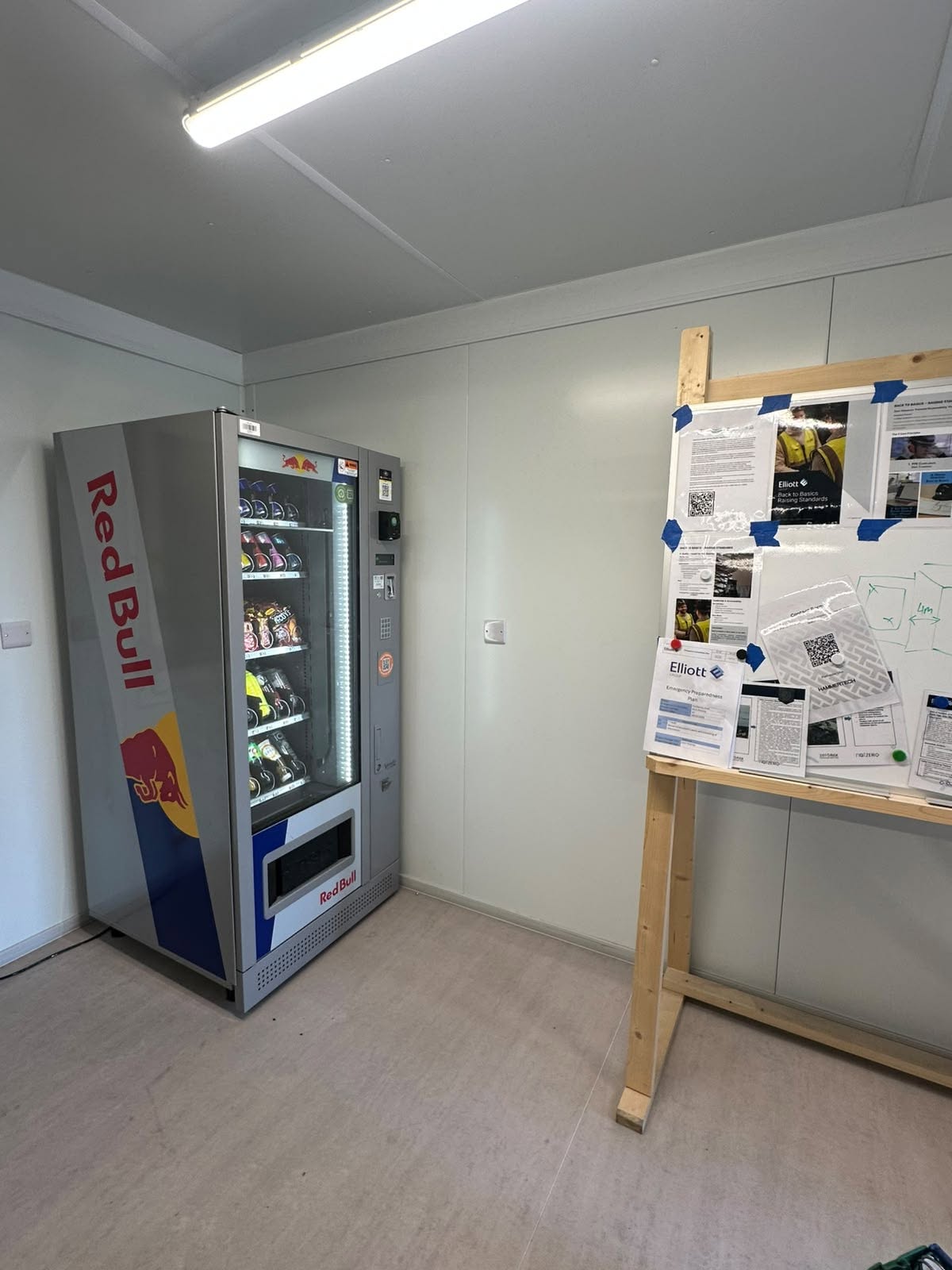
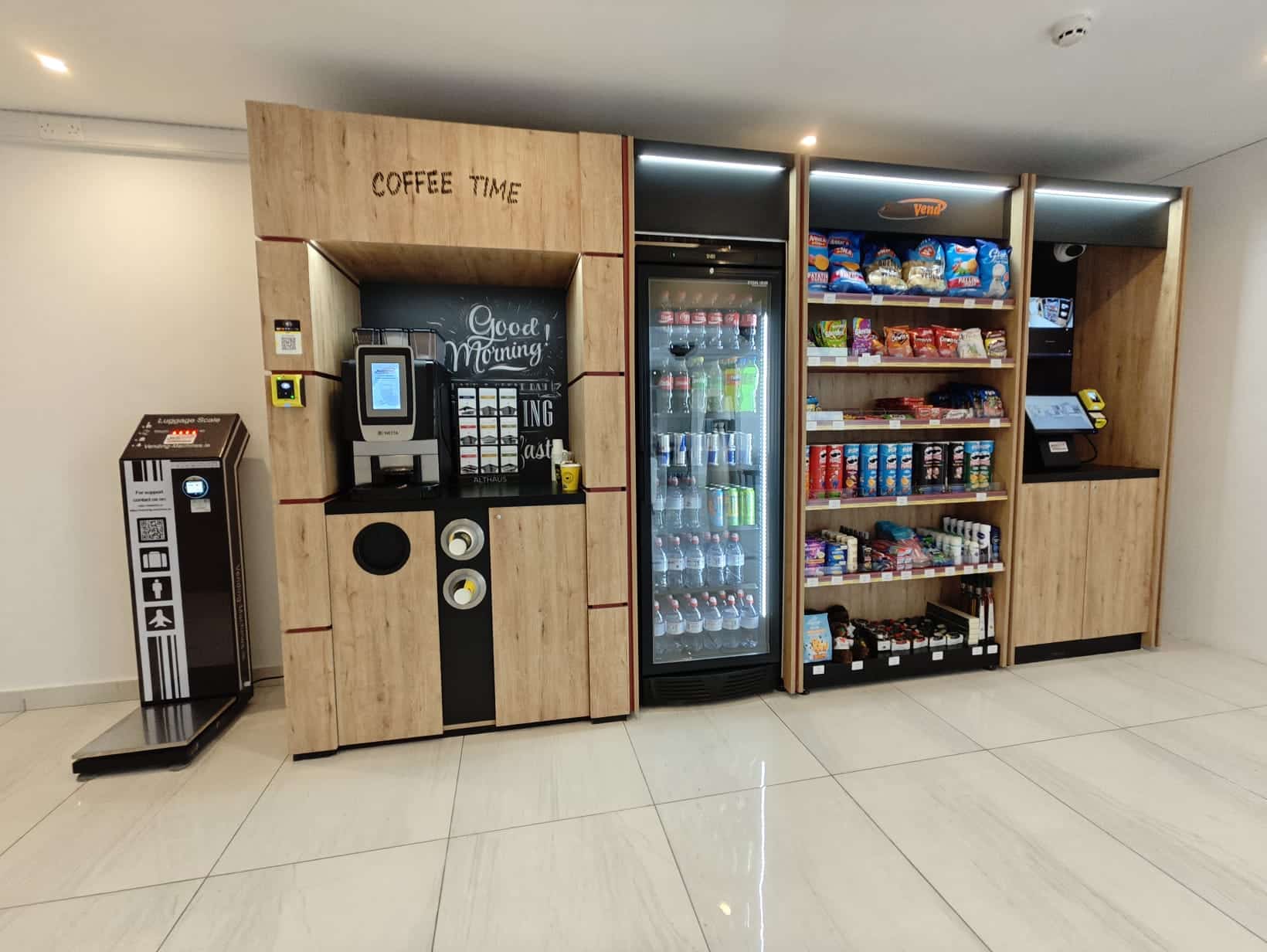
Vending machines provide convenient access to drinks, snacks, and other products in busy public spaces. However, traditional machines often require customers to touch screens, buttons, keypads, and other shared surfaces. As a result, these high contact points can raise hygiene concerns. Touchless vending machines offer a practical alternative. By using mobile payments, QR codes, and contactless selection, they can reduce the number of surfaces customers need to touch. Therefore, they may support better public health practices in busy locations. In addition, touchless technology can make purchasing more convenient for customers who prefer limited physical contact. However, regular cleaning and proper maintenance remain important to keep vending machines hygienic and reliable throughout the day.
Touchless Technology and Public Health
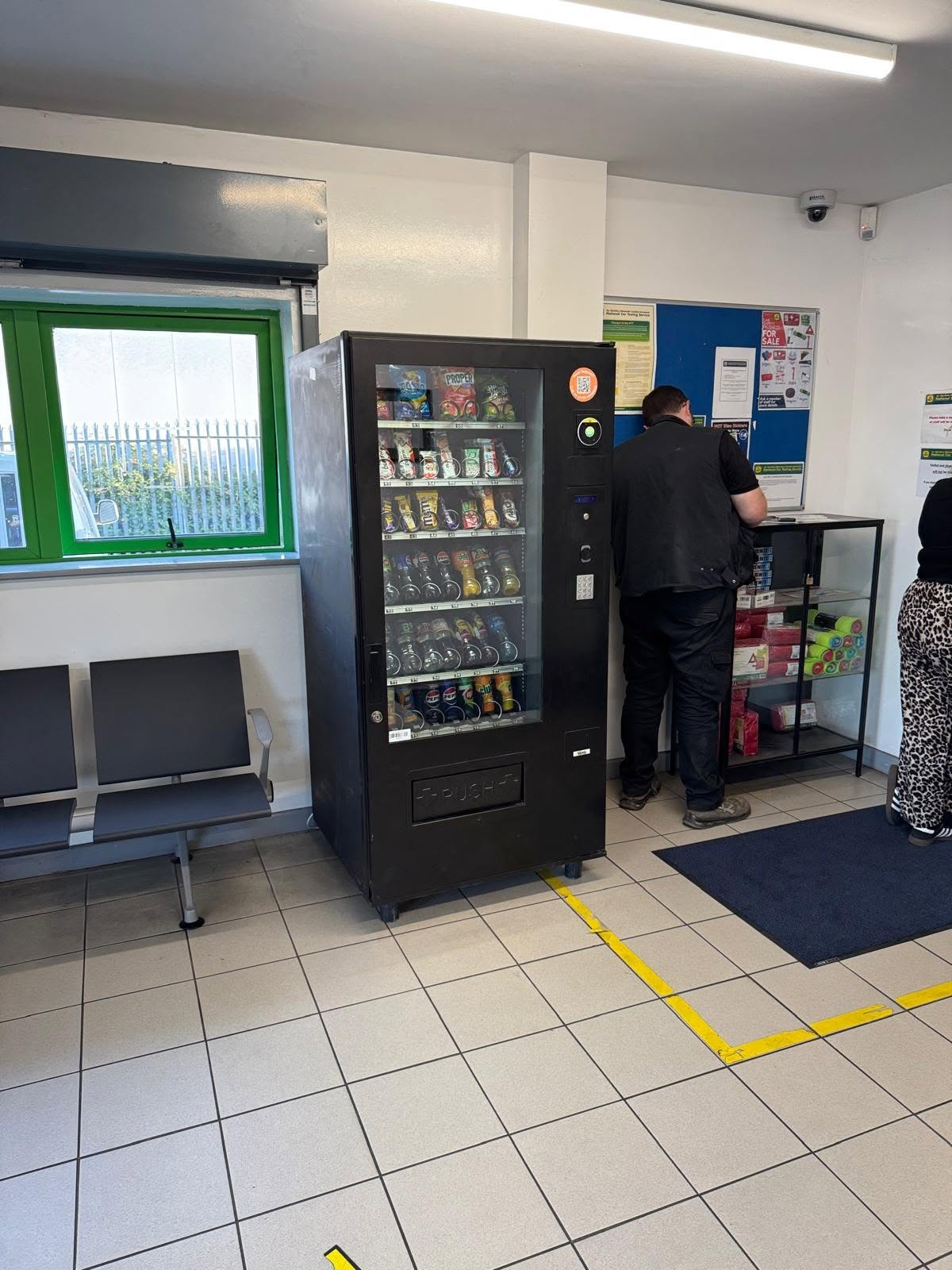
Touchless vending machines allow customers to complete purchases with fewer physical interactions. For example, customers may scan a QR code, use a mobile device, or make a contactless payment. Consequently, fewer people need to touch the same buttons or screens throughout the day. This can help reduce the buildup of dirt and germs on frequently used surfaces. However, touchless technology does not eliminate every hygiene concern. Customers still interact with products, payment devices, and the machine itself. Therefore, operators should continue regular cleaning to support public health.
Reducing Contact Can Support Public Health
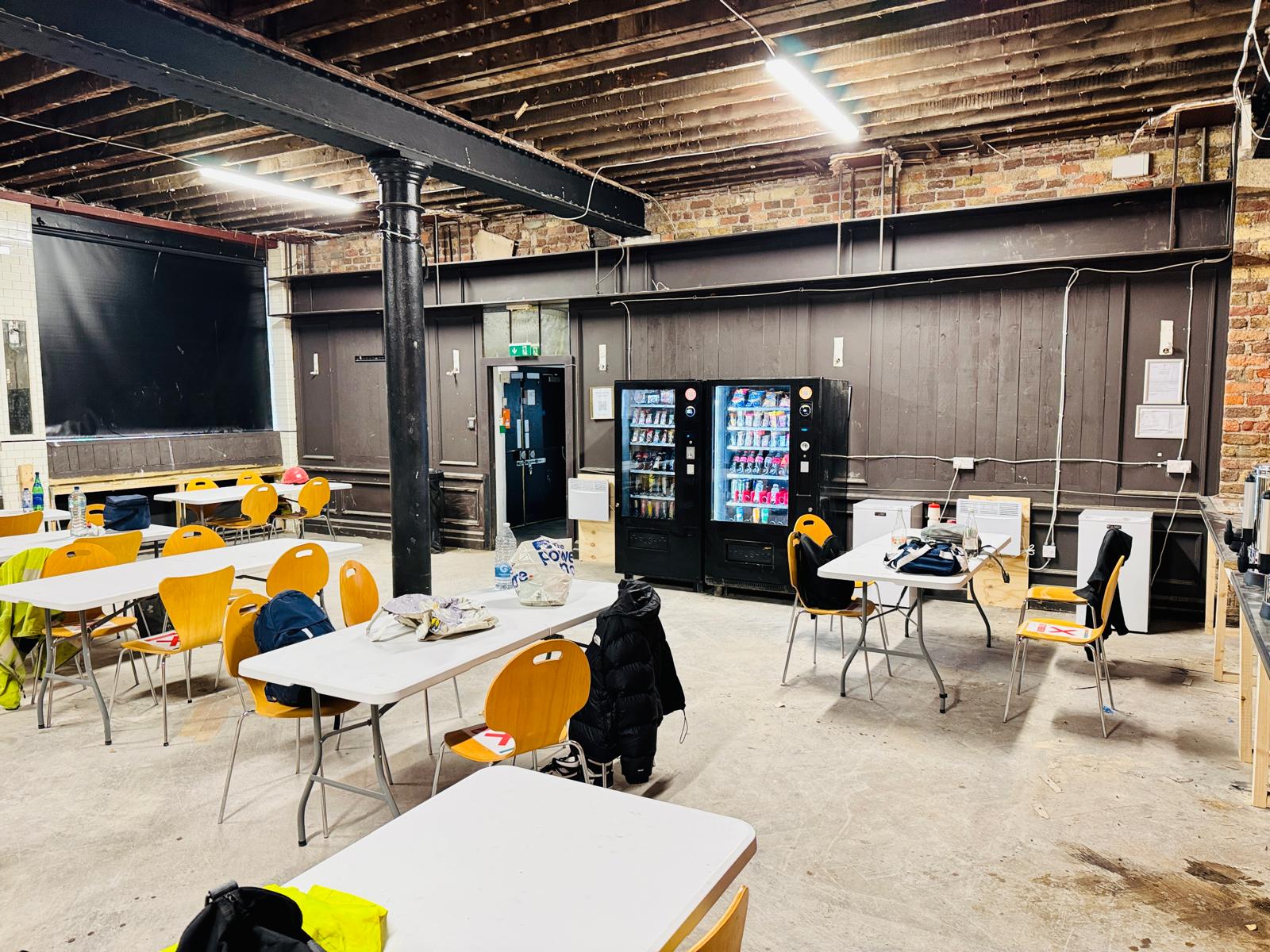
High traffic locations can expose vending machines to frequent customer contact. Schools, offices, hospitals, transportation facilities, and recreational centers may see many users each day. Therefore, reducing unnecessary contact can provide a practical hygiene benefit. Touchless systems can also make purchasing more convenient for customers who prefer limited physical interaction. Moreover, fewer shared touchpoints can complement existing cleaning routines. This approach can contribute to better public health practices without reducing the convenience that makes vending machines useful.
Cleaning Still Matters for Public Health
Although touchless machines reduce physical contact, regular maintenance remains essential. Operators should clean external surfaces, payment areas, product dispensing sections, and other accessible parts of the machine. In addition, they should inspect machines regularly for spills, dirt, and damaged components. Touchless payment does not mean the entire machine remains untouched. Customers may still press buttons, open dispensing areas, or handle purchased products. Therefore, a consistent cleaning schedule remains an important part of protecting public health.
Vending-machines.ie offers vending solutions that can help businesses provide convenient access to products. However, technology should work alongside sensible hygiene procedures. Operators can identify frequently touched areas and clean them according to the needs of each location. Furthermore, clear instructions can help customers understand how to use touchless features correctly. These simple steps can make vending areas more hygienic and support public health.
Choosing the Right Approach for Public Health
Touchless vending machines can offer meaningful hygiene advantages, especially in busy environments. Nevertheless, they should not replace proper cleaning, stocking, and machine maintenance. Instead, operators can combine contactless technology with regular sanitation and responsible operating practices. This balanced approach can reduce unnecessary contact while keeping machines reliable and convenient. Ultimately, touchless vending can become one useful part of a broader public health strategy. If you want to explore suitable vending solutions for your location, contact us to discuss your requirements.