
Can I Run Vending Without Machines?
A vending business does not always have to follow the traditional machine based model. Today, businesses can explore different ways to sell convenient products without owning or operating standard vending machines. These approaches can include unattended retail, smart lockers, digital ordering systems, and managed product stations. Therefore, understanding different vending business models can help entrepreneurs choose an approach that matches their budget and customers. Moreover, alternative methods can provide flexibility while still delivering convenient access to products.
Exploring Alternative Vending Business Models
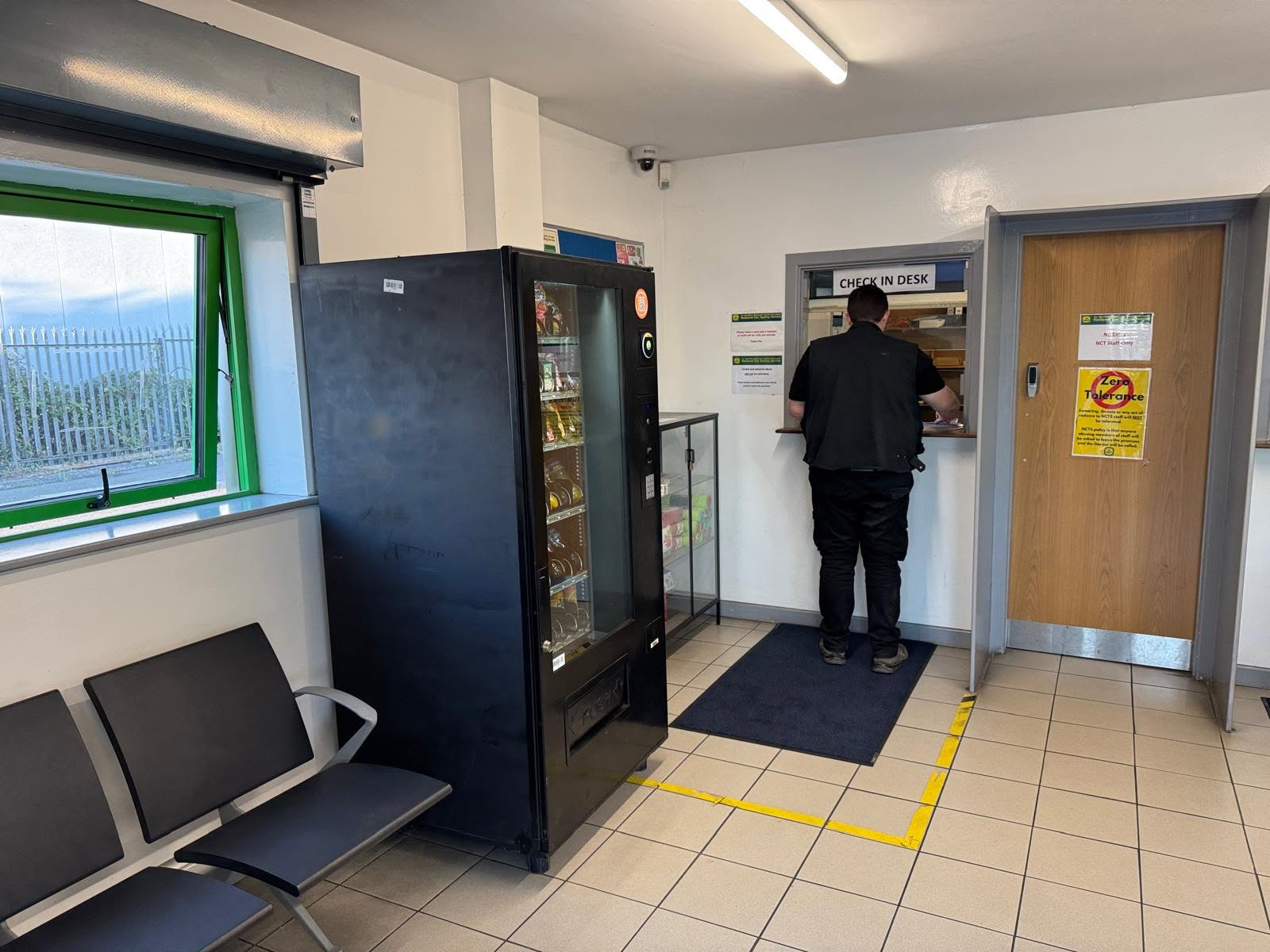
Traditional vending machines provide automated product sales, but they are not the only option. For example, businesses can use self service cabinets, smart storage units, or staffed retail points. Furthermore, digital ordering systems can allow customers to select products before collecting them from a designated location. These approaches can work well in offices, residential buildings, hospitality settings, and community spaces. As a result, alternative vending business models can provide convenience without requiring a conventional vending machine at every location.
How Technology Supports Vending Business Models
Technology makes alternative vending approaches more practical. Digital payment systems can allow customers to purchase products without handling cash. Additionally, inventory software can help businesses monitor product levels and identify popular items. Smart lockers can also provide controlled product collection after customers complete their purchases. Therefore, technology can recreate several useful vending features without relying entirely on traditional machines. For more information about modern vending solutions, visit vending-machines.ie. Choosing suitable technology can help businesses create efficient vending business models that fit their operational needs.
Choosing Products and Locations
Product selection remains important regardless of the sales method. Businesses should understand customer needs before choosing products. For example, workplaces may need snacks, beverages, and quick meals. Meanwhile, hotels and residential properties may benefit from travel items and everyday essentials. Moreover, convenient collection points can encourage regular purchases. Therefore, businesses should consider customer demand, available space, operating costs, location accessibility, and expected sales before selecting an alternative vending approach.
Managing Operations Without Traditional Machines
Running vending services without traditional machines still requires careful management. Operators need to monitor inventory, maintain payment systems, and keep products organized. Furthermore, businesses should establish reliable restocking schedules to prevent popular products from becoming unavailable. Clean and accessible product areas can also improve customer confidence. In addition, businesses should track sales data regularly. This information can reveal which products perform well and which items need adjustment. Consequently, good management can help alternative retail systems operate efficiently.
Benefits and Challenges of Alternative Vending
Alternative approaches can provide several benefits. First, businesses may have greater flexibility when selecting equipment and locations. They may also reduce some costs associated with traditional vending machines. However, these models can create new challenges. For instance, businesses may need stronger security measures, additional staff support, or more frequent inventory checks. Furthermore, payment technology and collection systems require reliable maintenance. Therefore, entrepreneurs should compare potential benefits and costs carefully before choosing among different vending business models.
Building a Flexible Vending Strategy
Businesses do not necessarily need to rely on one sales method. Instead, they can combine traditional vending with alternative systems based on customer needs and location requirements. For example, a company might use machines in busy areas while using smart lockers or self service stations in smaller locations. This flexible approach can help businesses reach more customers while managing resources effectively. Contact us today to learn how modern vending solutions can help your business explore practical retail options and develop a vending strategy that supports long term growth.
Related Posts
 Can I Start Vending Without Inventory?
Starting a vending business is an attractive option for many entrepreneurs because it offers flexibility…
 Can Vending Machines Promote Public Health?
Vending machines can play a useful role in improving public health by making important products…
 Can Vending Machines Replace Convenience Stores?
Vending machines have evolved significantly over the years. As a result, many people now question…