Can Vending Machines Be Used to Deliver Emergency Supplies?
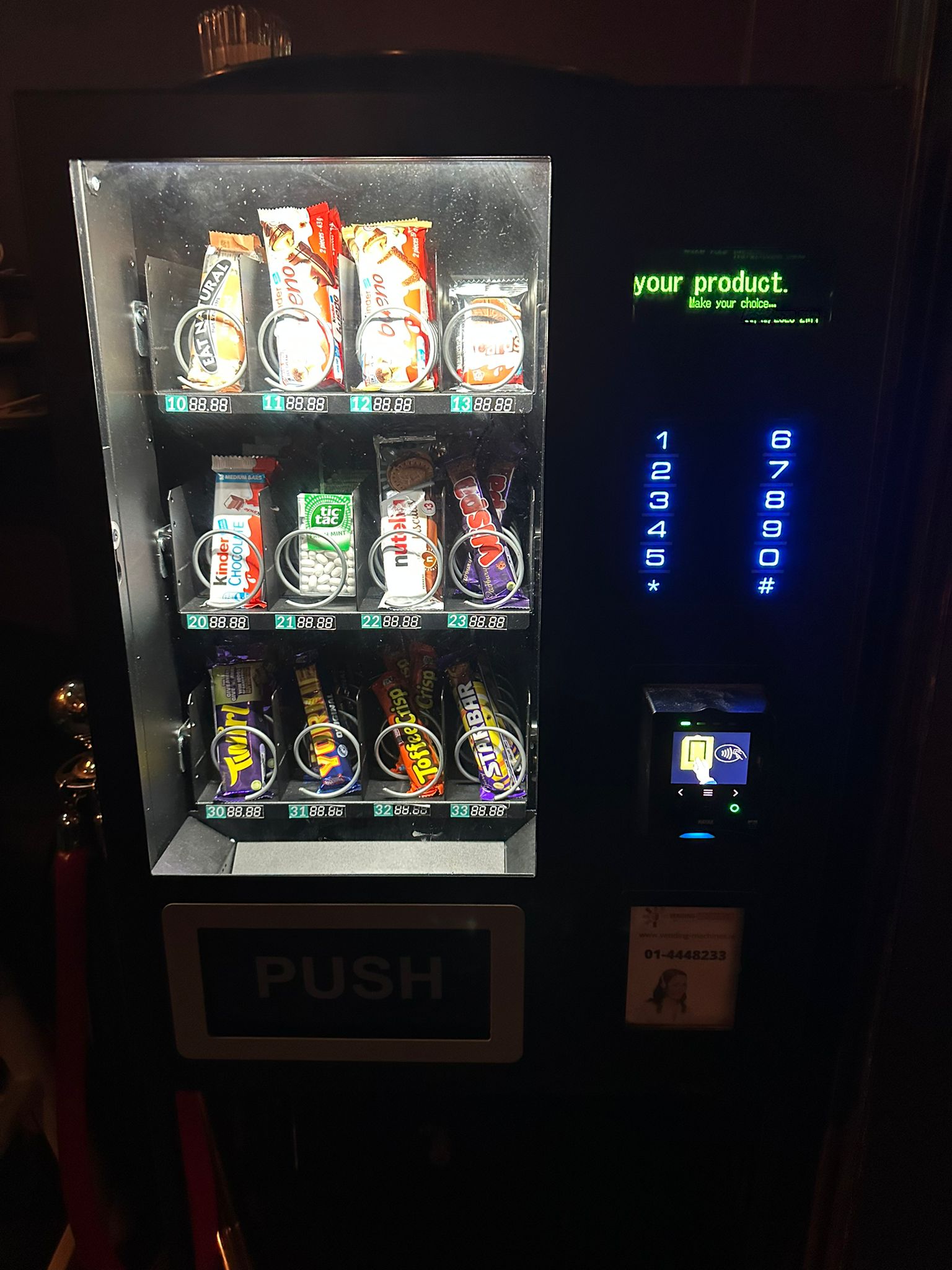
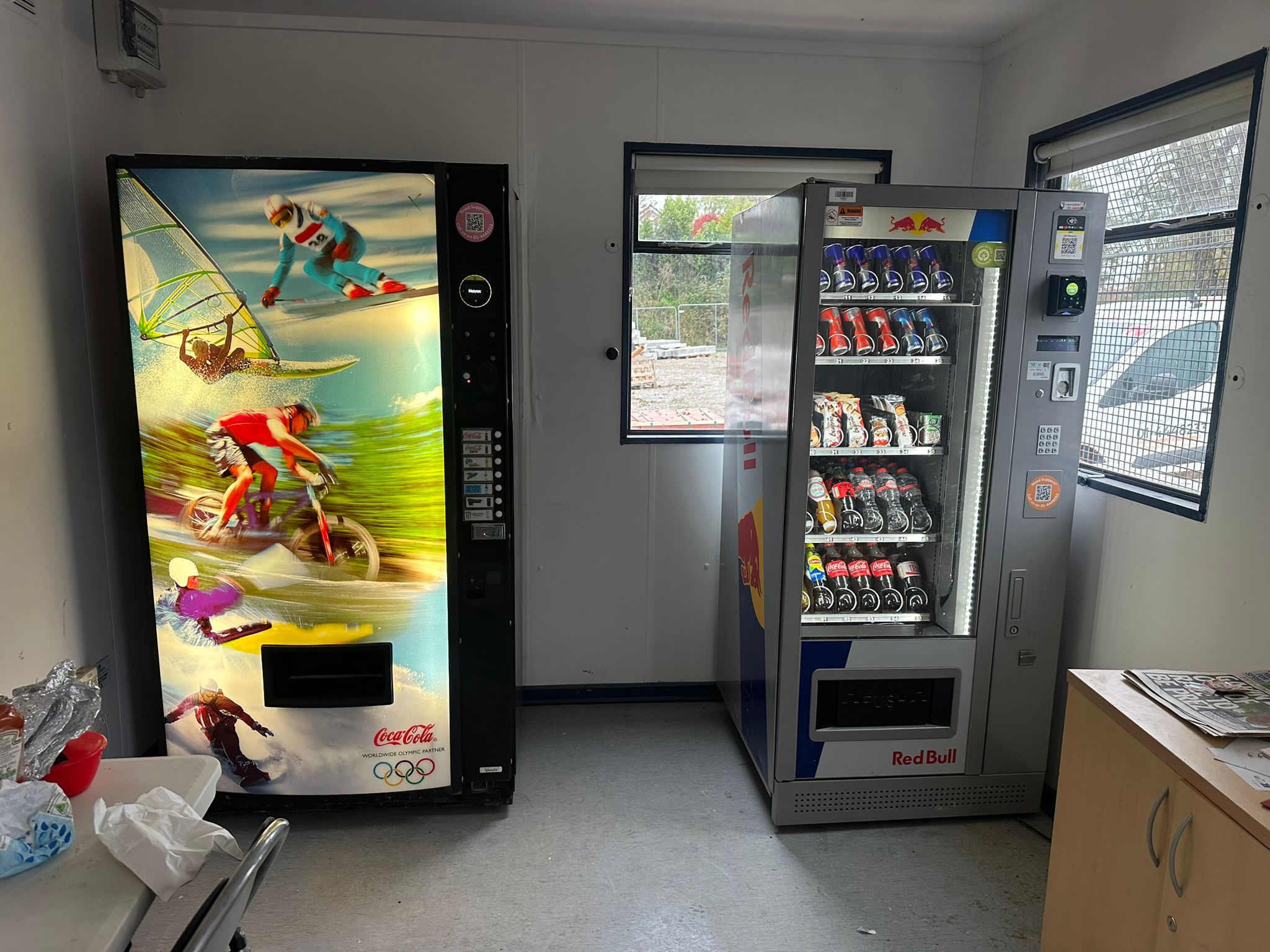
Vending machines no longer serve only snacks and drinks. Today, they support many practical needs in public spaces. As cities grow, planners seek faster ways to respond to sudden disruptions. Therefore, vending machines now play a role in crisis response planning. Their constant availability, wide placement, and ease of use make them a useful option during urgent situations when quick access to essential items truly matters.
Why Emergency Supplies Matter in Public Spaces
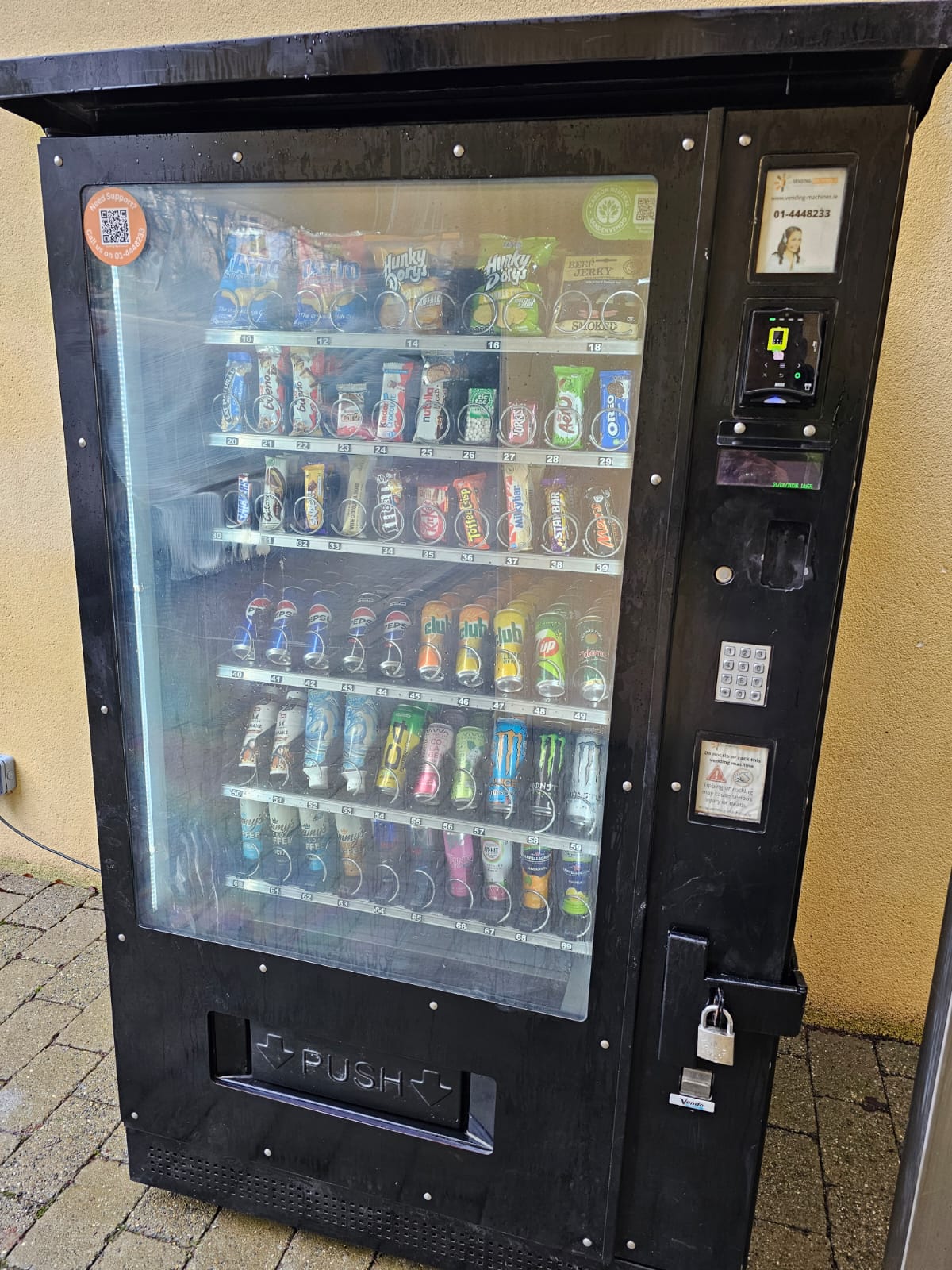
Public areas often face unexpected events. For example, storms, transit delays, and power failures can happen without warning. During these moments, access to emergency supplies becomes critical. Water, basic food, and hygiene items help people stay safe and calm. However, traditional distribution methods can take time. As a result, automated solutions attract attention. Vending machines already operate in airports, offices, and hospitals. Because of this reach, they can support emergency readiness. In addition, they remain accessible around the clock. This availability makes them valuable during late hours or staffing shortages.
How Vending Machines Can Store Emergency Supplies
Modern vending machines support flexible product layouts. Therefore, operators can stock bottled water, flashlights, masks, and first aid kits. These items qualify as essential emergency supplies in many scenarios. Moreover, temperature control protects sensitive products. Machines also allow fast restocking. As a result, communities can prepare in advance. For example, a building manager can adjust inventory before severe weather arrives. This planning reduces stress when emergencies occur.
Emergency Supplies for Natural Disasters and Power Outages
Natural disasters often disrupt supply chains. Meanwhile, people still need access to basic items. Vending machines can provide emergency supplies when stores close. Battery backed systems even work during short outages. Therefore, users can still access items. In addition, machines can limit purchase quantities. This feature prevents panic buying. As a result, more people receive fair access. Communities benefit from controlled distribution during high stress moments.
Emergency Supplies and Smart Vending Technology
Smart vending systems add another layer of value. They track inventory in real time. Therefore, operators know when emergency supplies run low. Remote monitoring also improves response speed. Some platforms even support cashless access codes. For example, authorized users can unlock items during a crisis. Midway through planning, many operators reference solutions and insights from vending-machines.ie to understand modern vending capabilities. This knowledge helps shape effective emergency strategies.
Challenges and Planning Considerations
Despite the benefits, planning remains essential. Machines need proper placement and regular maintenance. Moreover, operators must choose the right products. Not every item fits vending storage. Clear communication also matters. People should know which machines carry emergency items. Therefore, signage and community awareness play a role. With careful setup, these challenges remain manageable.
A Practical Role in Emergency Response
Overall, vending machines offer a reliable support option. They deliver emergency supplies quickly and efficiently. As technology improves, their role will likely expand. Communities gain resilience through simple, automated access. If you want to explore this approach further, contact us to learn how vending solutions can support emergency preparedness.
Conclusion
In conclusion, vending machines present a practical and reliable way to improve emergency preparedness in public spaces. Their constant availability, flexible storage options, and smart technology features help ensure faster access to emergency supplies when disruptions occur. With proper planning and awareness, these machines can strengthen community resilience and support safer outcomes during unexpected events.