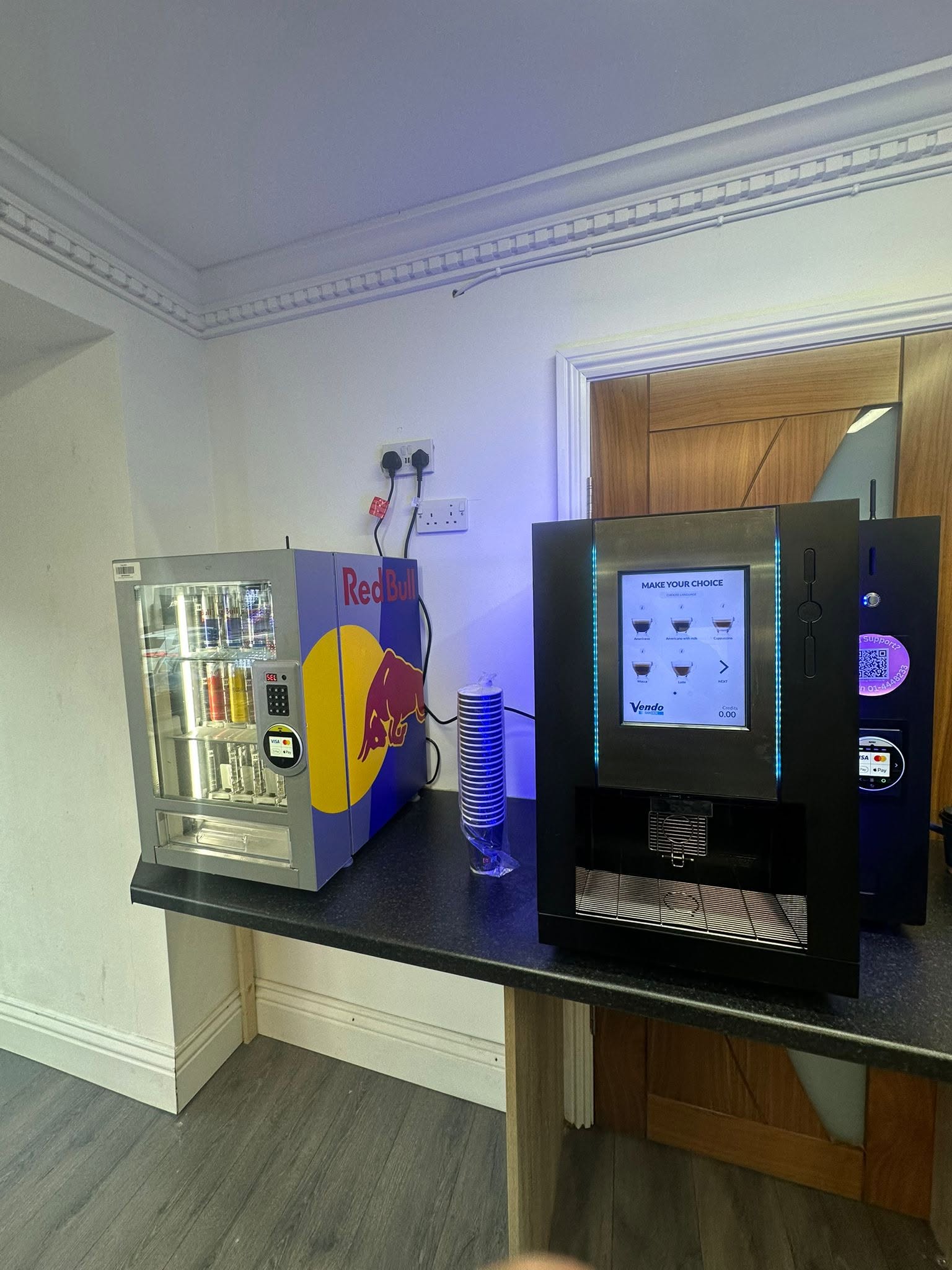
Can Vending Machines Help Visually Impaired Users?
Vending machines are becoming more accessible, and many people now ask how they support visually impaired users in everyday environments. Modern designs focus strongly on simplicity, usability, and inclusive interaction. Moreover, improved interfaces help make product selection easier, faster, and more intuitive for all users. As a result, visually impaired users can interact with machines more independently than before in public spaces. In addition, clear layouts, consistent product placement, and better labeling improve navigation significantly. Therefore, accessibility is no longer treated as an afterthought in many vending solutions. Instead, it is becoming a core part of design, innovation, and long term product development strategies across the industry.
Accessibility Features for Visually Impaired Users
Many new vending machines include features that assist visually impaired users in daily use across different environments. For example, audio guidance systems help users identify products, prices, and selection options more easily. Moreover, tactile buttons and raised keypads improve physical interaction and reduce confusion. Therefore, users can complete purchases without relying only on visual cues. In addition, voice instructions can guide step by step selection clearly. As a result, visually impaired users gain more control, independence, and confidence while using vending machines in public spaces such as offices, transport hubs, and public facilities.
Technology Improving Access for Users
Technology plays a major role in improving access for visually impaired users. Moreover, smart vending systems now include digital screens with audio output options. Therefore, users can listen to product descriptions and instructions. In addition, mobile integration allows remote browsing and selection before reaching the machine. Vending-machines.ie highlights how vending technology continues to evolve toward better accessibility and convenience. As a result, modern systems are becoming more inclusive and user friendly for a wider audience.
Challenges Faced by Visually Impaired Users
Although progress has been made, visually impaired users still face certain challenges. For example, not all vending machines include audio support or tactile guidance. Moreover, inconsistent machine design can create confusion in different locations. Therefore, users may need time to adapt to each interface. In addition, poorly maintained machines can reduce accessibility effectiveness. As a result, continuous improvement is necessary to ensure equal access for all users across different environments.
Importance of Inclusive Design
Inclusive design is essential when creating vending solutions for visually impaired users. Moreover, accessibility benefits all customers, not only those with disabilities. Therefore, clear instructions, simple interfaces, and consistent layouts improve overall usability. In addition, businesses that prioritize inclusion often see better customer satisfaction. As a result, accessibility becomes both a social responsibility and a smart business decision. Furthermore, inclusive design helps create equal opportunities for independent purchasing.
Future of Vending for Visually Impaired Users
The future looks promising for visually impaired users as technology continues to advance. Moreover, artificial intelligence and voice recognition are expected to improve machine interaction. Therefore, users may soon experience fully guided purchasing systems. In addition, more standardized accessibility features will likely become industry norms. As a result, vending machines will become even more independent and user friendly. Contact us to learn more about modern vending solutions and how accessibility is shaping the future of automated retail.