Can Vending Machines Improve Accessibility for Disabled Customers?
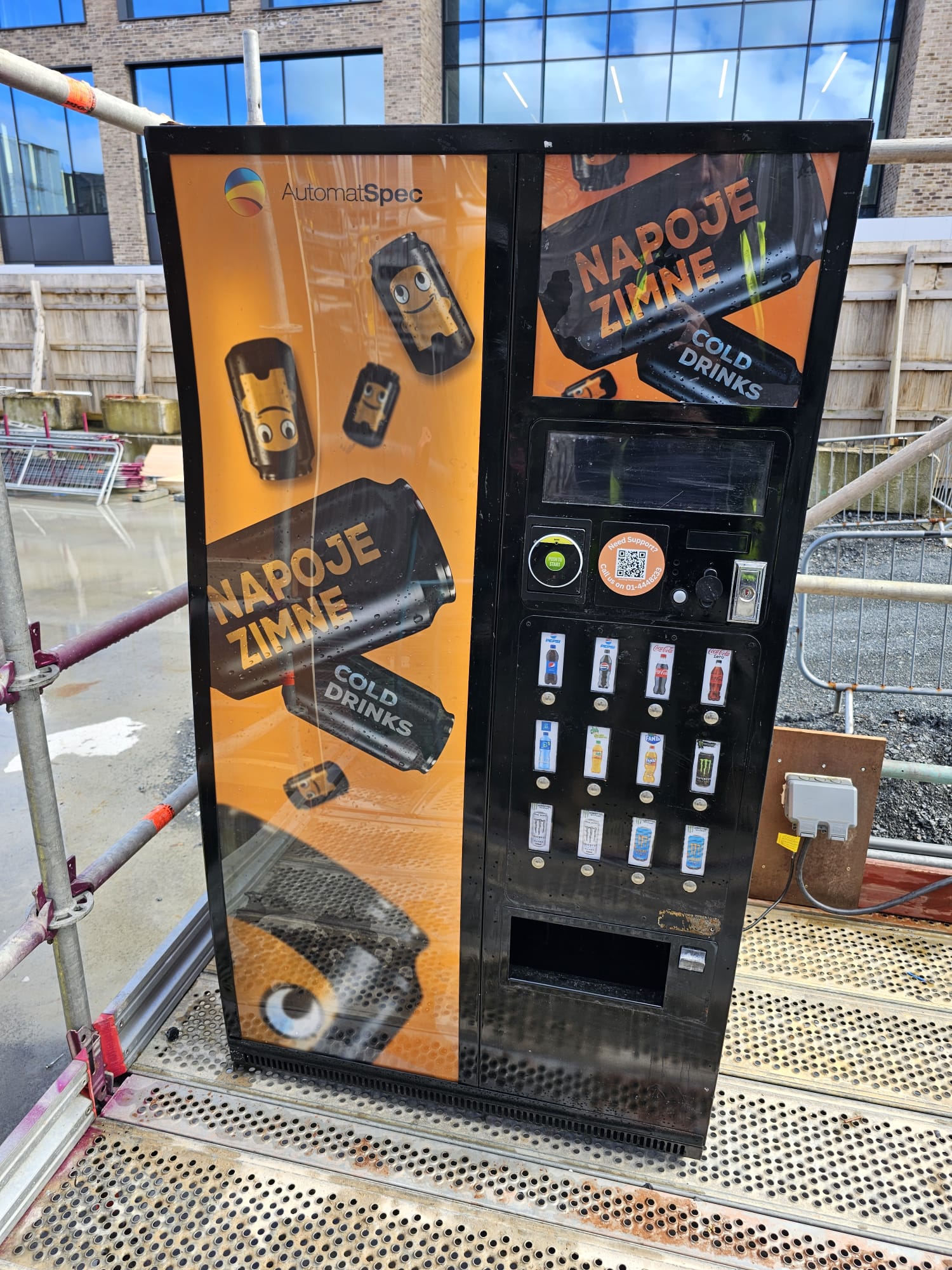
Vending machines provide quick access to drinks, snacks, and everyday essentials. However, customers with disabilities may face challenges when machines are difficult to reach or operate. Therefore, thoughtful design can make vending services more inclusive and convenient. Vending machine accessibility considers important factors such as machine height, screen placement, payment methods, product reach, and ease of use. By addressing these areas, operators can remove unnecessary barriers and create a smoother purchasing experience. Additionally, accessible vending machines can help customers complete purchases more independently. As a result, better accessibility benefits disabled customers while also making vending machines easier and more comfortable for a wider range of people.
Why Vending Machine Accessibility Matters
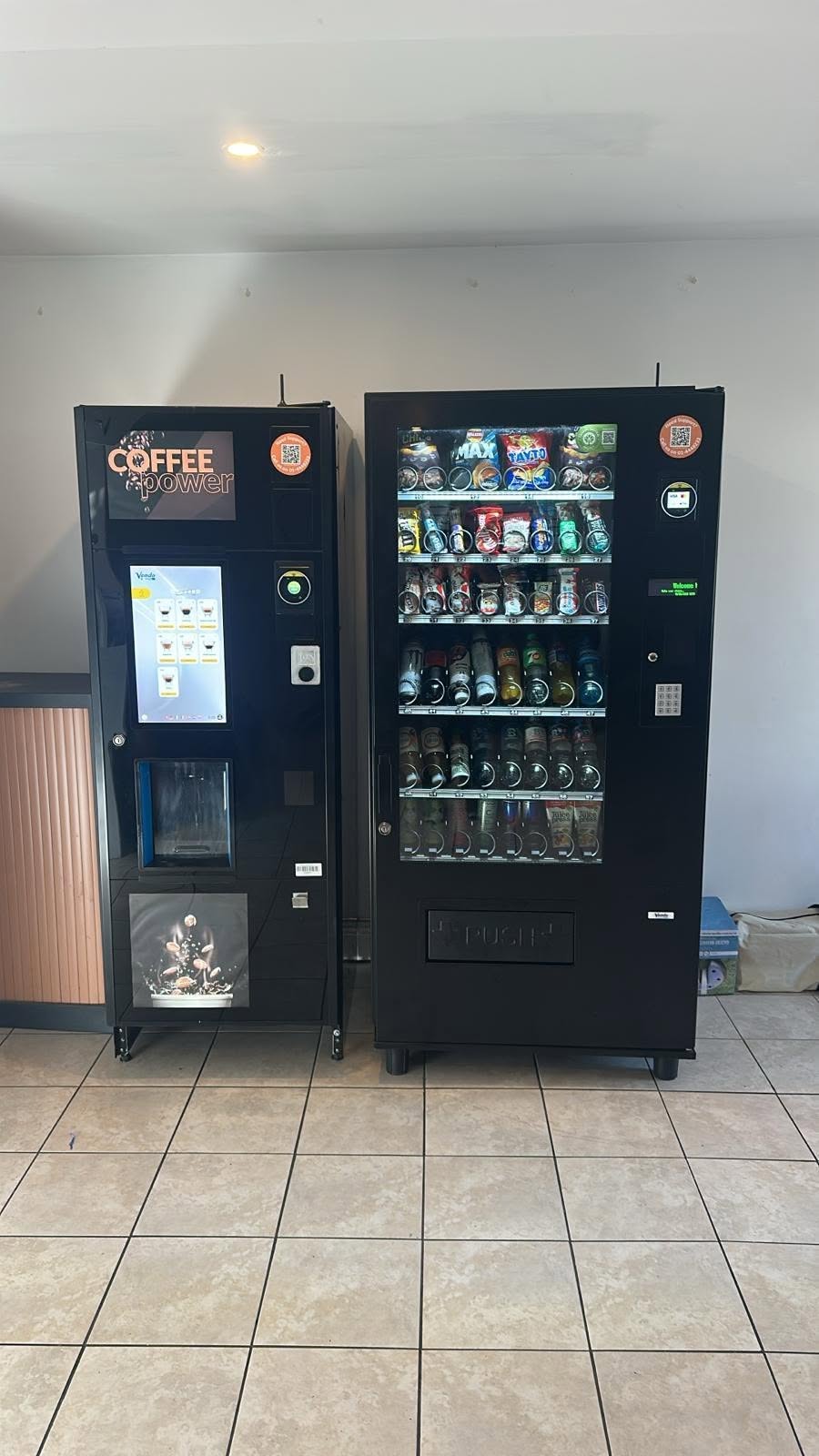
Accessibility allows more people to use vending machines independently. For example, wheelchair users may struggle with machines that place controls too high. Customers with limited mobility may also find buttons difficult to reach or operate. Meanwhile, people with visual or hearing impairments may need clearer instructions. Therefore, operators should consider different customer needs when choosing and positioning vending equipment.
Designing for Better Vending Machine Accessibility
Machine placement plays an important role in accessibility. Operators should provide enough clear space around the machine for customers who use wheelchairs or mobility aids. Additionally, controls and payment areas should remain within a comfortable reach. Clear screens, readable text, and simple instructions can also make the purchasing process easier. As a result, thoughtful positioning can improve vending machine accessibility without making the experience complicated.
Payment Options Can Support Accessibility
Flexible payment methods can make vending machines easier for customers with different abilities. Contactless payments, mobile payments, and traditional payment options give customers more ways to complete a purchase. Furthermore, simple payment instructions can reduce confusion during transactions. Accessible payment technology can benefit many customers, not only those with disabilities. To explore vending solutions and machine options, visit vending-machines.ie.
Accessible Screens and Controls
The interface should make product selection straightforward. Large, readable text can help customers with limited vision, while clear buttons can benefit people with restricted hand movement. Touchscreens should also respond reliably without requiring excessive pressure. Moreover, audio guidance can provide additional support where suitable. Consequently, a well designed interface can improve vending machine accessibility and create a smoother purchasing experience.
Making Products Easier to Reach
Product placement can also affect accessibility. Items should remain within a practical reach range whenever possible. However, operators must also consider the machine’s internal layout and safety requirements. Popular products can be placed in locations that customers can access easily. In addition, operators can review customer feedback to identify products or areas that create difficulties. This approach helps improve convenience while supporting more inclusive vending services.
Planning for More Inclusive Vending
Accessibility works best when operators consider it from the beginning. First, they can evaluate machine height, surrounding space, controls, screens, and payment systems. Next, they can test the experience from different customer perspectives. Finally, they can make adjustments based on practical feedback. This process can improve vending machine accessibility while also making machines easier for everyone to use.
Contact Us
Ultimately, accessible vending machines can provide greater independence and convenience for disabled customers. Small improvements can remove unnecessary barriers and create a more welcoming experience. Therefore, operators should consider accessibility when selecting equipment, planning locations, and reviewing customer experiences. Contact us to learn more about vending solutions designed to meet the needs of a wider range of customers.