Can Vending Machines Offer Products for Special Dietary Needs?
As dietary preferences and health awareness grow, consumers are looking for convenient food options that match their lifestyles. Vending machines are no longer limited to chips, sodas, or candy bars. Today, they can cater to people with unique nutritional requirements and specific diets. But can vending machines really meet these expectations? Let’s explore how they are adapting to serve customers with special dietary needs by offering healthier ingredients, better labeling, and innovative product selections that prioritize inclusivity, sustainability, and convenience for everyone seeking balanced choices on the go.
The Growing Demand for Special Dietary Options
More people are following specialized diets, such as gluten-free, vegan, keto, or nut-free. Others need low-sugar or lactose-free options for health reasons. Traditional vending machines rarely offered such choices, leaving many customers with limited snacks to choose from. However, the demand for inclusive products has motivated operators to expand their selections to meet special dietary needs by introducing nutrient-rich, allergen-free, and eco-friendly alternatives that support diverse preferences, promote healthier lifestyles, and make nutritious eating more accessible in workplaces, schools, hospitals, and other high-traffic locations.
How Vending Machines Are Adapting to Special Dietary Needs
Modern vending machines can stock a variety of products tailored to specific diets. Gluten-free granola bars, sugar-free beverages, and high-protein snacks are now commonly available. Some machines even have refrigeration systems that allow for fresh, healthy options like salads or smoothies. This innovation not only benefits customers but also helps operators attract a wider audience.
Technology and Transparency in Ingredient Information
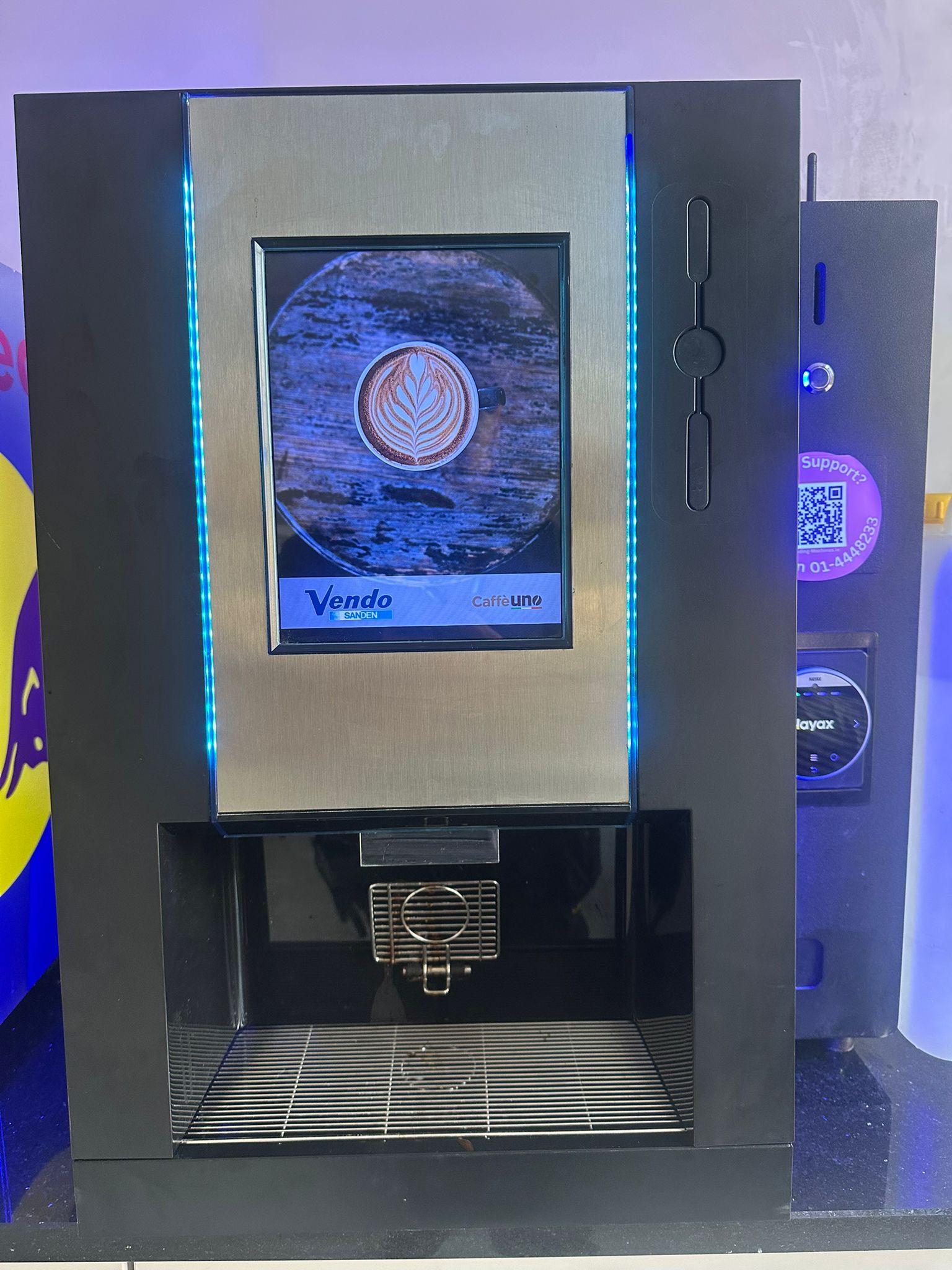
Smart vending machines make it easier for customers to find products that fit their dietary requirements. Touchscreens display detailed ingredient lists, allergen warnings, and nutritional information. This transparency allows people to make informed choices, reducing the risk of allergic reactions or dietary conflicts.
Location Matters for Special Dietary Needs
The placement of vending machines also plays an important role in meeting special dietary needs. For example, installing machines with healthy or allergen-free options in schools, hospitals, or gyms ensures accessibility for those who need them most. It also promotes a healthier environment and aligns with institutional wellness goals.
Partnering with Reliable Suppliers
To maintain quality and consistency, vending machine operators often work with trusted food suppliers who specialize in healthy and allergen-free snacks. By sourcing from reliable producers, they ensure the freshness and safety of each product. If you are considering offering specialized options through vending machines, vending-machines.ie can provide expert guidance on selecting the right equipment and suppliers for your needs.
The Benefits of Catering to Special Dietary Needs
Meeting special dietary needs through vending machines offers many advantages. It builds customer loyalty and demonstrates inclusivity. It also helps operators stand out in a competitive market by offering something beyond the typical snack range. Additionally, businesses can promote healthier choices, improving their public image while meeting the growing demand for wellness-oriented products.
A Step Toward Inclusive and Healthy Vending
The vending industry is transforming rapidly to serve everyone, including those with special dietary needs. With advanced technology, smart product selection, and better ingredient transparency, vending machines can now provide convenient, safe, and nutritious options for all. If you are ready to offer healthier and more inclusive vending options, contact us today to learn how we can help you get started.