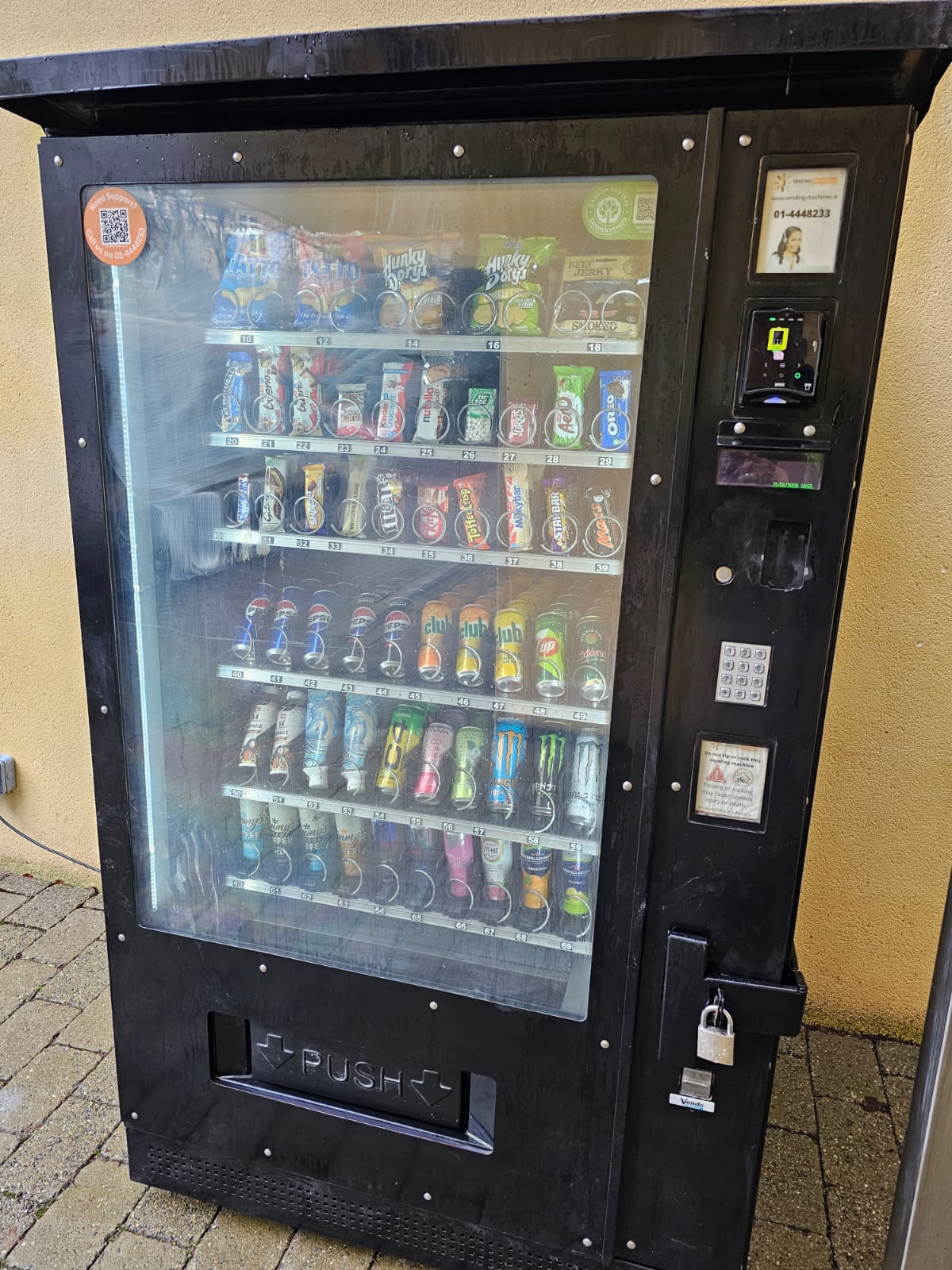
Can Vending Machines Track Sustainability Metrics or Carbon Footprints?
Sustainability is becoming a top priority for businesses and consumers alike. Operators now look for ways to reduce environmental impact while maintaining efficiency and profitability. Modern vending machines can track sustainability metrics, helping operators monitor energy use, waste production, and product sourcing. Understanding these metrics allows businesses to identify opportunities for improvement and make data-driven decisions that support eco-conscious practices. By tracking sustainability, vending operators can demonstrate responsibility to customers, employees, and stakeholders while promoting long-term operational efficiency.

Energy Usage and Carbon Footprint Tracking
Energy consumption is a key component of environmental impact. Many modern machines include sensors and monitoring systems that allow operators to track sustainability metrics related to electricity use. This data can reveal trends in high-energy periods and help operators adjust settings to reduce consumption. Smart cooling systems, LED lighting, and power-saving modes further reduce energy usage. Consequently, tracking carbon footprints through energy monitoring provides actionable insights that contribute to both sustainability and cost savings for vending operators.
Waste Management and Recycling Insights
Vending machines can also track sustainability metrics for packaging waste and recyclables. By recording the types and amounts of packaging used, operators gain visibility into potential areas for improvement. Offering products with recyclable or compostable packaging and monitoring customer disposal habits encourages responsible consumption. Integrating recycling bins or incentives can reduce landfill contributions. This approach allows vending businesses to optimize waste handling while demonstrating a commitment to environmental responsibility in offices, gyms, and public spaces.
Product Sourcing and Supply Chain Monitoring
Tracking sustainability does not stop at energy and waste. Operators can track sustainability metrics related to sourcing and logistics. Machines can provide insights into which products are locally sourced, organic, or certified eco-friendly. Data on delivery frequency and transportation emissions helps operators identify areas to reduce carbon footprints. By monitoring supply chains, businesses can prioritize products and vendors that align with sustainability goals, ensuring vending operations are both environmentally responsible and aligned with customer values.
Leveraging Technology to Track Sustainability Metrics
Advanced analytics and smart vending platforms make it easier to track sustainability metrics consistently. Companies like vending-machines.ie offer tools to monitor energy use, product turnover, and waste generation in real time. These insights enable operators to implement changes, optimize performance, and evaluate the impact of sustainability initiatives. By leveraging technology, vending machines can become a central tool for businesses seeking to measure environmental impact accurately and make improvements where needed.
Engaging Customers Through Transparency
Communicating sustainability efforts can enhance customer engagement. Displaying real-time sustainability data or highlighting eco-conscious products encourages users to make informed choices. When customers see measurable efforts, they are more likely to support machines that track sustainability metrics. Transparency fosters loyalty and educates users about environmental responsibility, creating a mutually beneficial relationship that benefits both the operator and the community.
Final Thoughts
Vending machines that track sustainability metrics offer valuable insights into energy usage, waste management, and supply chain impacts. By monitoring these factors, operators can make informed decisions to reduce carbon footprints, improve efficiency, and enhance customer trust. For guidance on integrating sustainable practices into your vending operations, contact us to learn how technology can help your machines become greener, smarter, and more environmentally responsible.