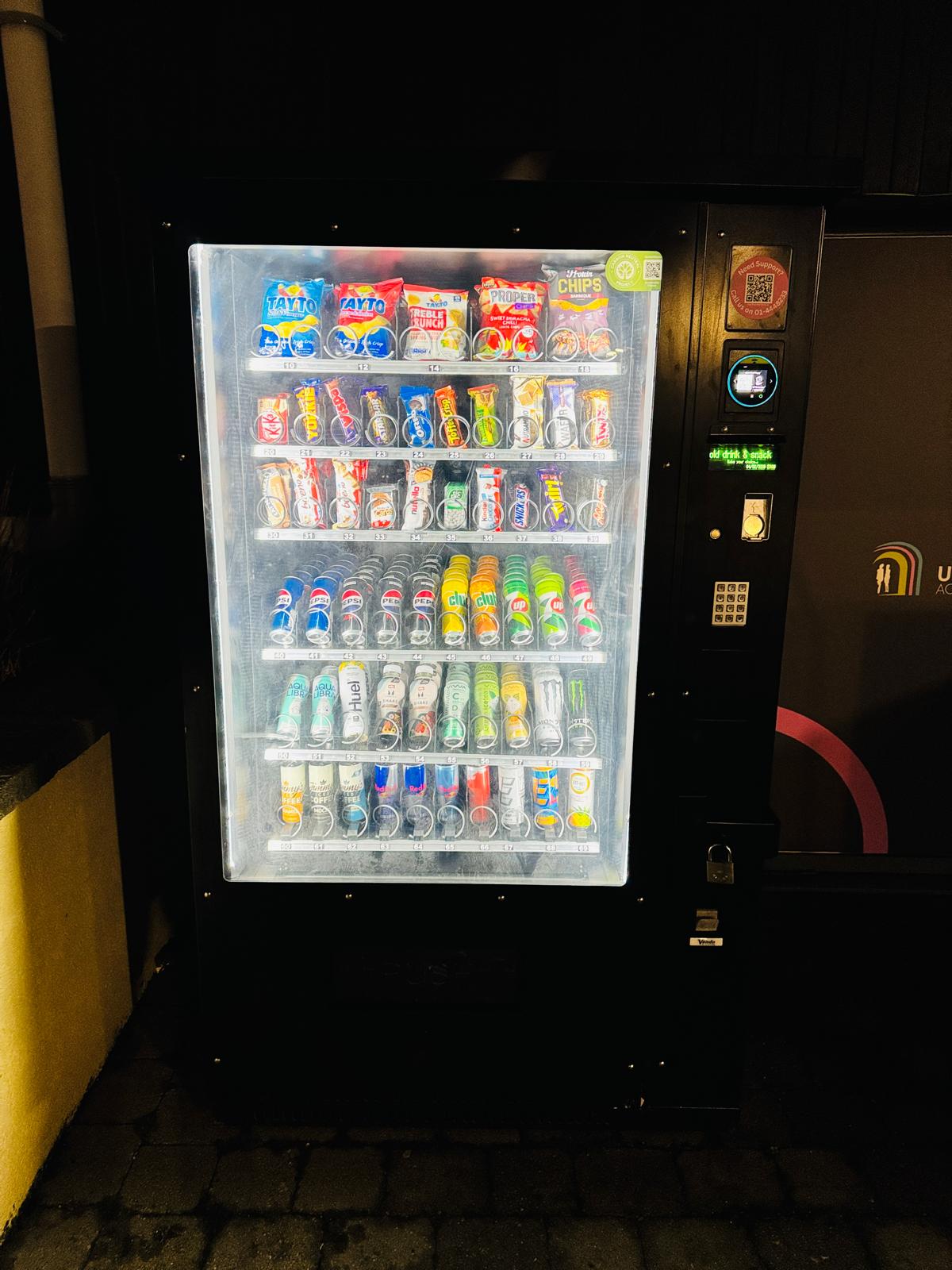
Can Vending Machines Track Sustainability or Carbon Footprints?
Carbon footprints represent the total greenhouse gas emissions generated by a product, service, or business operation. For vending machines, these footprints include electricity consumption, transportation of products, and the materials used for packaging. By analyzing these factors, operators can identify opportunities to improve efficiency and reduce emissions, creating more sustainable operations. Tracking carbon footprints also helps businesses make informed decisions about product selection, energy use, and inventory management. Ultimately, monitoring these impacts allows vending machine operators to meet environmental goals while keeping costs under control and promoting greener practices.
How Technology Helps Monitor Carbon Footprints
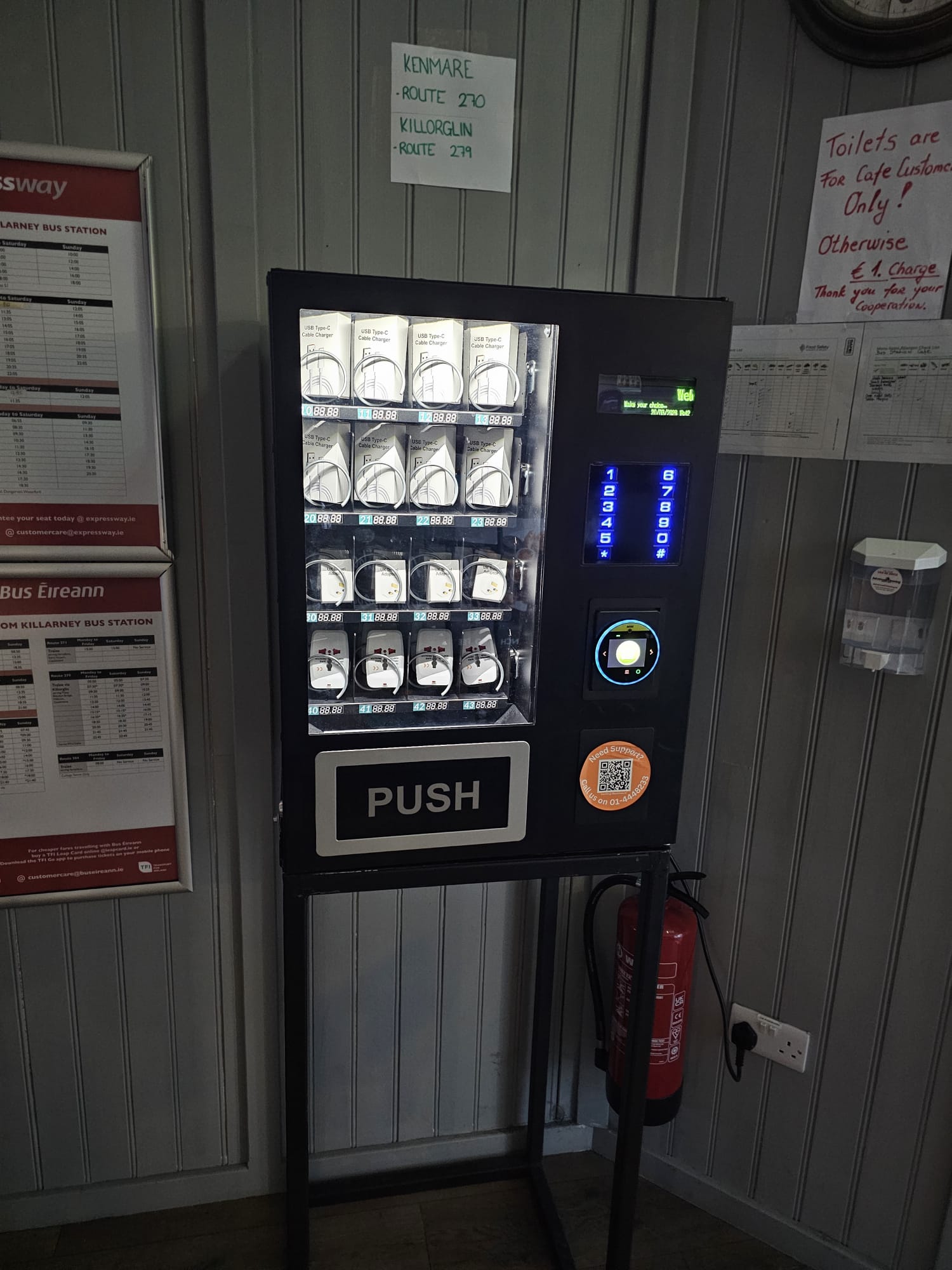
Modern vending machines come equipped with sensors and software that can monitor energy consumption, temperature, and product turnover. These tools provide real-time data on electricity use and help estimate the environmental impact of each product sold. With consistent monitoring, operators can make informed decisions to reduce waste and energy consumption, contributing to lower carbon footprints without affecting machine performance or customer satisfaction.
Smart Inventory and Carbon Footprints
Efficient inventory management directly influences carbon footprints. Overstocking leads to waste, while smart rotation of high-demand items reduces product spoilage and unnecessary transportation. By analyzing sales data and adjusting stock levels, vending machines can operate more sustainably. Solutions available at vending-machines.ie provide operators with insights to streamline inventory while tracking environmental impact, making it easier to adopt sustainable practices.
Sustainable Product Choices
Offering products with eco-friendly packaging or sourcing from local suppliers can significantly lower carbon footprints. Fewer transportation miles and reduced packaging materials decrease emissions, benefiting both the environment and your operational costs. Highlighting sustainable products in your vending machine encourages customers to make greener choices, increasing awareness and engagement without increasing expenses.
Energy-Efficient Machines and Carbon Footprints
Energy-efficient vending machines are a crucial tool for reducing carbon footprints. Modern models use less electricity and maintain optimal temperatures for each product, decreasing energy waste. Upgrading older machines or adjusting operational schedules can result in lower emissions while keeping costs under control. Even small changes in energy use can make a noticeable difference in your overall sustainability metrics.
Customer Participation in Tracking Sustainability
Engaging customers is a powerful way for vending machines to support sustainability and reduce carbon footprints. By offering options that highlight environmental impact or providing rewards for eco-friendly purchases, operators encourage users to make greener choices. Simple initiatives, such as tracking how certain products contribute to lower emissions, help promote a culture of responsibility. Over time, these programs not only reduce environmental impact but also build customer loyalty, raise awareness about sustainability, and demonstrate a commitment to eco-conscious practices that benefit both the business and the planet.
Continuous Monitoring and Improvement
Finally, regularly reviewing vending machine operations ensures that carbon footprints are tracked accurately. Identifying areas for improvement, from energy use to product selection, allows operators to implement sustainable solutions consistently. With continuous monitoring, businesses can reduce environmental impact, optimize costs, and maintain a positive reputation. For more guidance on tracking carbon footprints and implementing sustainable strategies, contact us today and take the first step toward greener vending operations.