
Crushed Vending Snack Packs: Check Where Damage Is Happening
Repeated crushed snack packs need a closer look at the stages between delivery and purchase. A damaged packet found beside a machine does not, by itself, show where the damage occurred. Check the condition at each practical handover point and record the first place a difference appears. Keep affected stock separate under the business’s procedures while the responsible operator decides how it should be handled.
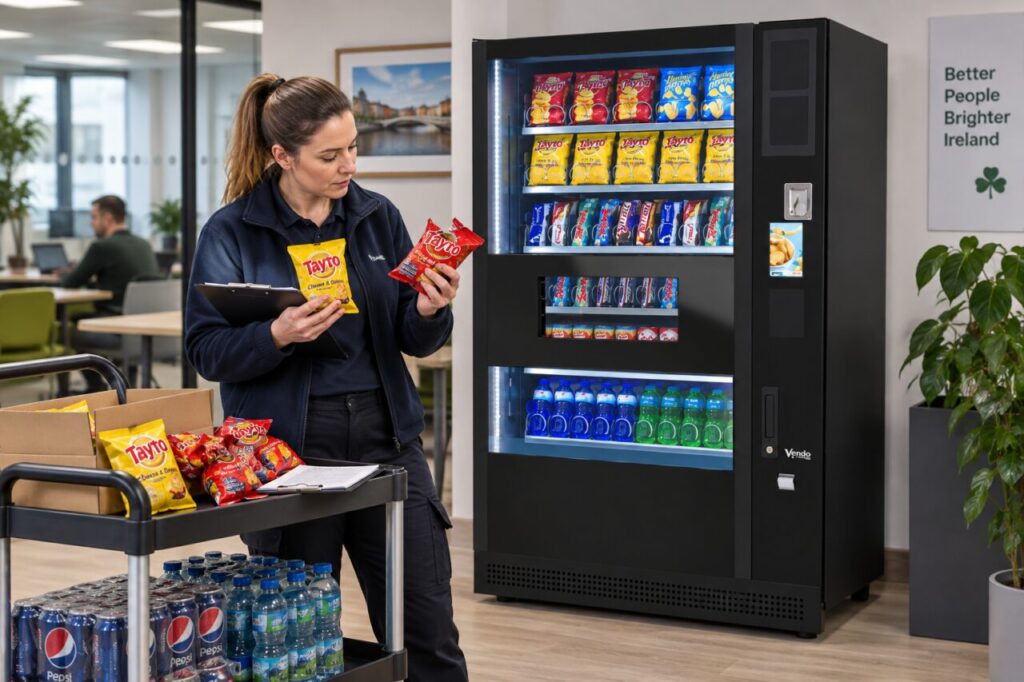
Begin with the stock as received
Check the outer case and a suitable sample of its contents when the delivery is received, following your established receiving procedure. Record obvious crushing, torn packaging or an unusual case condition before the stock is mixed with earlier deliveries. A photograph can show the observed condition, but keep it connected to the delivery reference and product details so it remains useful later.
Distinguish damage to an outer carton from damage to individual packs. The two may occur together, but one does not establish the other. Note which products and quantities are affected without exaggerating a sample into a claim about the whole shipment. If a supplier query is needed, explain what was checked and what remains unexamined, then follow the agreed return or review process.
Check storage and route handling
Look at how the affected stock is held before a refill. Consider whether cases are being compressed by other items or handled differently from comparable products. Record what you observe rather than assuming the warehouse is responsible. Any change to storage or handling should remain consistent with product instructions and the business’s procedures, including the conditions required for the food involved.
Compare the condition when stock is prepared for a route with its condition on arrival at the machine. A simple record at these two points can narrow the investigation. Use appropriate containers and the approved transport arrangements rather than improvising protection that creates another handling problem. If several people move the stock, make the check part of the shared process so the observations are comparable.
Review the vending stage with the provider
Where packs arrive at the machine intact but customers report damage after purchase, give the equipment provider that evidence. Identify the exact product, pack size and selection involved. Ask whether the product and current configuration are appropriate. Do not alter dispensing components or machine settings without the required authority and instruction, and do not assume that reducing stock quantity resolves a compatibility issue.
Agree any test with the provider, including the method and how the outcome will be recorded. Preserve the distinction between one successful test and evidence of a sustained improvement. If the problem occurs only occasionally, describe its frequency using actual reports where available. Avoid repeated unnecessary purchases or loading affected stock simply to produce a more dramatic demonstration of the complaint.
Keep the evidence connected to a decision
Link the observations to the relevant delivery and stock records. The FSAI’s traceability guidance sets out supplier and supply information that food businesses need to retain. Those records support identification of the stock involved; they do not replace the separate observations needed to understand physical damage. Keep both types of information accessible to the responsible person.
Record the agreed action, whether it concerns supply, handling or an equipment review, and set a follow-up point. Check subsequent stock at the same stages so the comparison is meaningful. When discussing snack vending equipment and service, explain the actual pack and observed problem. A staged investigation gives the provider something more useful than a general request for a machine that never damages snacks.
Speak with our team about vending requirements at your site.
Related guidance: Repeated Damaged Vending Packs: Build a Useful Supplier Review Record.