
Damaged Vending Stock Deliveries: Track the Supplier Credit Separately
A damaged stock delivery creates two separate tasks: deciding what happens to the goods and resolving the supplier’s commercial response. A promise to issue a credit does not make the damaged items suitable for vending, and a replacement delivery does not explain how the original invoice was adjusted. Keep both tracks clear so the stock record and the supplier conversation describe the same incident without being confused.
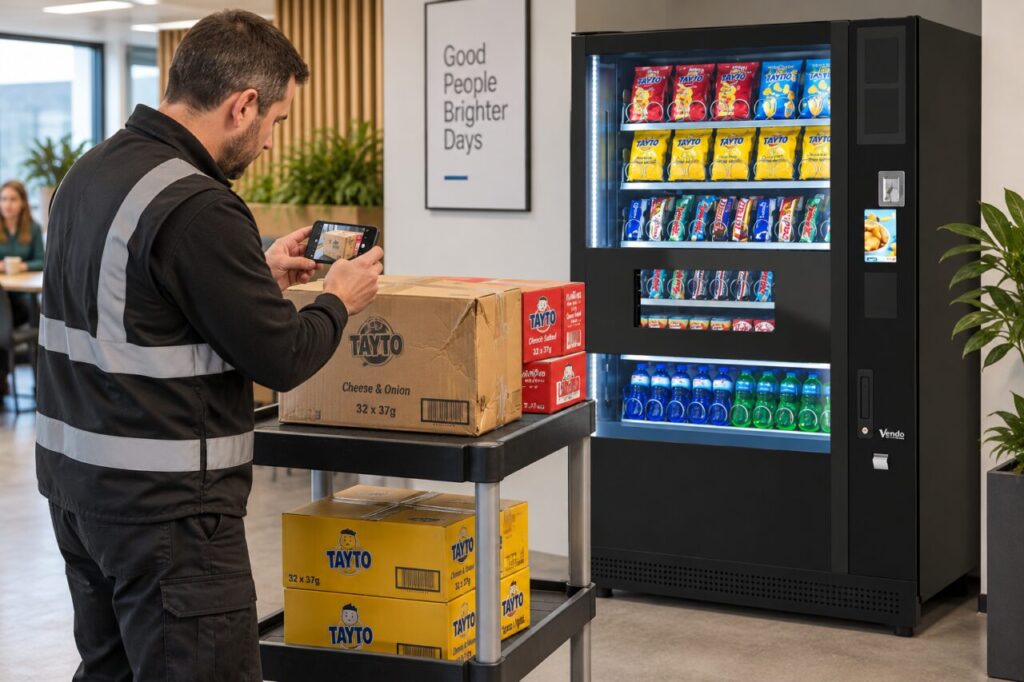
Record the delivery discrepancy first
Use the receiving procedure to identify the product, quantity, delivery reference and observed condition. Describe what can be seen rather than guessing the cause of the damage. Where photographs are requested, keep the relevant carton and product details legible. Avoid including unrelated customer or employee information. Follow the responsible food operator’s procedure for any product whose condition or safety is uncertain.
Keep affected goods separate from stock available for refill under that procedure. Do not record the entire delivery as usable simply because the invoice lists it. Equally, do not discard identifying information before the responsible person has decided what records are needed. The supplier’s instructions and your own authorised handling process should determine the next action for the goods.
Make the requested resolution explicit
Ask whether the supplier is offering replacement goods, an account credit or another confirmed resolution. Record the quantity and reference covered by the response. A general acknowledgement that a problem has been received is not the same as an agreed adjustment. Keep unresolved items visible so a later colleague does not assume the whole matter has been closed.
Where only part of the delivery is affected, identify the remaining accepted quantity separately. This helps avoid a replacement being mistaken for an additional ordinary order. Do not make assumptions about the supplier’s liability or standard returns entitlement from this checklist. The actual terms and the confirmed response apply; seek the relevant professional advice if a commercial dispute needs it.
Connect replacement stock without counting it twice
When replacement goods arrive, receive and check them as an actual delivery. Link them to the original case while recording their own product and delivery information. Confirm that the quantity and variant match the agreed replacement. A reference to the earlier incident should not replace the normal checks on the newly received items or their suitability for stocking.
If the supplier issues a credit note, pass it to the person responsible for the financial records with the original reference. That person should determine the appropriate accounting treatment. The operational stock log should show the physical movements and status of goods, not attempt to substitute a financial adjustment for them. Preserve a clear trail between the two records without rewriting the original delivery history.
Close both parts of the incident
Before marking the case complete, check the outcome for the goods and the supplier response separately. Have the affected items been dealt with under the authorised process? Has the promised replacement or document actually arrived? Record what remains outstanding and who owns it. A tidy email thread is not evidence that the physical stock and commercial records have both been resolved.
For a developing vending business, this separation makes receiving and follow-up easier to hand over. The FSAI’s traceability guidance provides a starting point for food-record discussions. Build your actual process with the responsible operator and finance contact, keeping product identification, physical availability and supplier adjustments connected but clearly distinguishable.
Discuss your operating requirements with the team.
Related guidance: Wrong Vending Stock Delivered: Separate It Before the Refill.