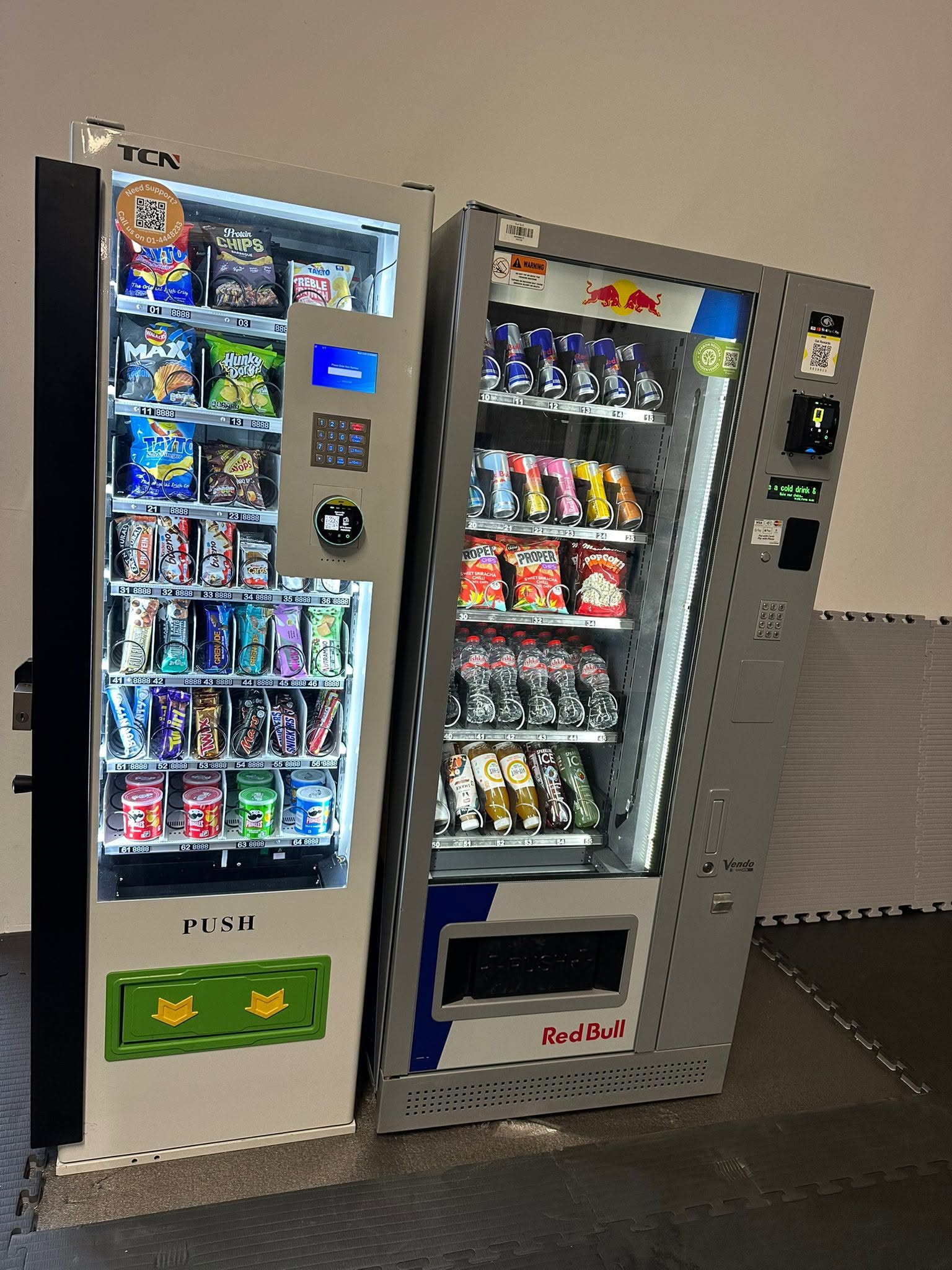
Why do vending machines reject dirty coins?
Dirty coins can be harder for a vending machine to accept, but dirt is not the only possible explanation for a rejected payment. The coin must also be a denomination that the particular machine accepts. Start with the payment instructions on the cabinet, then use another suitable coin or an advertised payment method if available. Do not keep forcing the same coin into the slot.
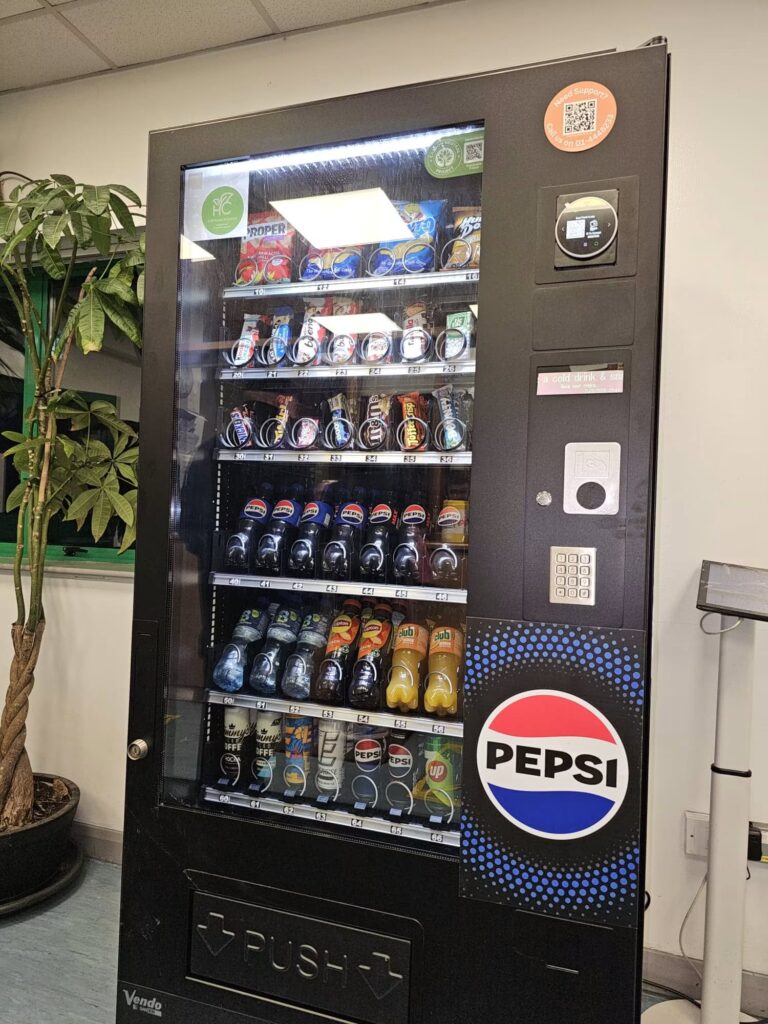
Why dirty coins can cause trouble
A coin mechanism checks a coin before crediting its value. Dirt can affect the path the coin follows through the mechanism. The manufacturer’s guidance matters here: CPI’s colibri maintenance manual includes a dirty coin runway among the possible causes of acceptance problems. That is a possible fault, not a diagnosis of every machine that returns a coin.
A customer cannot see the condition of the internal coin path from outside. Therefore, a rejected coin does not prove that the machine needs cleaning. Equally, a clean-looking coin does not prove the mechanism is working correctly. Treat what happened as useful evidence for the operator, rather than trying to identify an internal component yourself.
Check the simple things first
Read the accepted-currency information beside the payment panel. Check the denomination and look for an exact-change message. Also check whether the machine is currently taking cash. A cabinet may offer a card reader without accepting every coin you happen to have. Its appearance alone does not establish which payment methods are active.
Next, inspect your coin in good light. If it is wet or has loose surface dirt, dry it gently with a soft cloth before considering another attempt. Do not scrape, file or reshape a coin to make it fit. Avoid putting liquid, cleaning spray or any tool into the payment opening. Those actions can create a different problem without explaining the first one.
If a second suitable coin works, retain the first one for another appropriate use. If several coins return immediately, stop adding more money and contact the operator. Note whether the display showed credit at any stage. That distinction helps separate an acceptance issue from a later problem with product selection or change.
What the operator needs to know
Send the machine identifier, location and approximate time. Include the coin denomination and the message on the display. Explain whether the coin came back, remained inside or produced credit. A clear photograph of the payment instructions can help when a site has several similar cabinets with different configurations.
There is no need to provide personal banking details to report a rejected cash coin. If money remained in the machine, give the operator the amount and request their refund process. Our guide to getting coins back from a vending machine explains the customer steps without opening the equipment.
Cleaning is a model-specific service task
For an authorised operator, first identify the fitted coin mechanism and obtain its current maintenance instructions. The machine brand alone may not identify that component. Follow the specified cleaning method, materials and isolation requirements. A maintenance routine for one validator should not automatically be applied to another manufacturer’s equipment.
After service, test the accepted denominations and check credit, purchase and change behaviour. Record the outcome so a recurring fault can be compared with earlier visits. For a new snack vending installation, ask who maintains the payment equipment and how customers should report problems. Clear ownership makes a rejected coin much easier to resolve.