How Can I Manage Multi-Vendor Vending Stock?
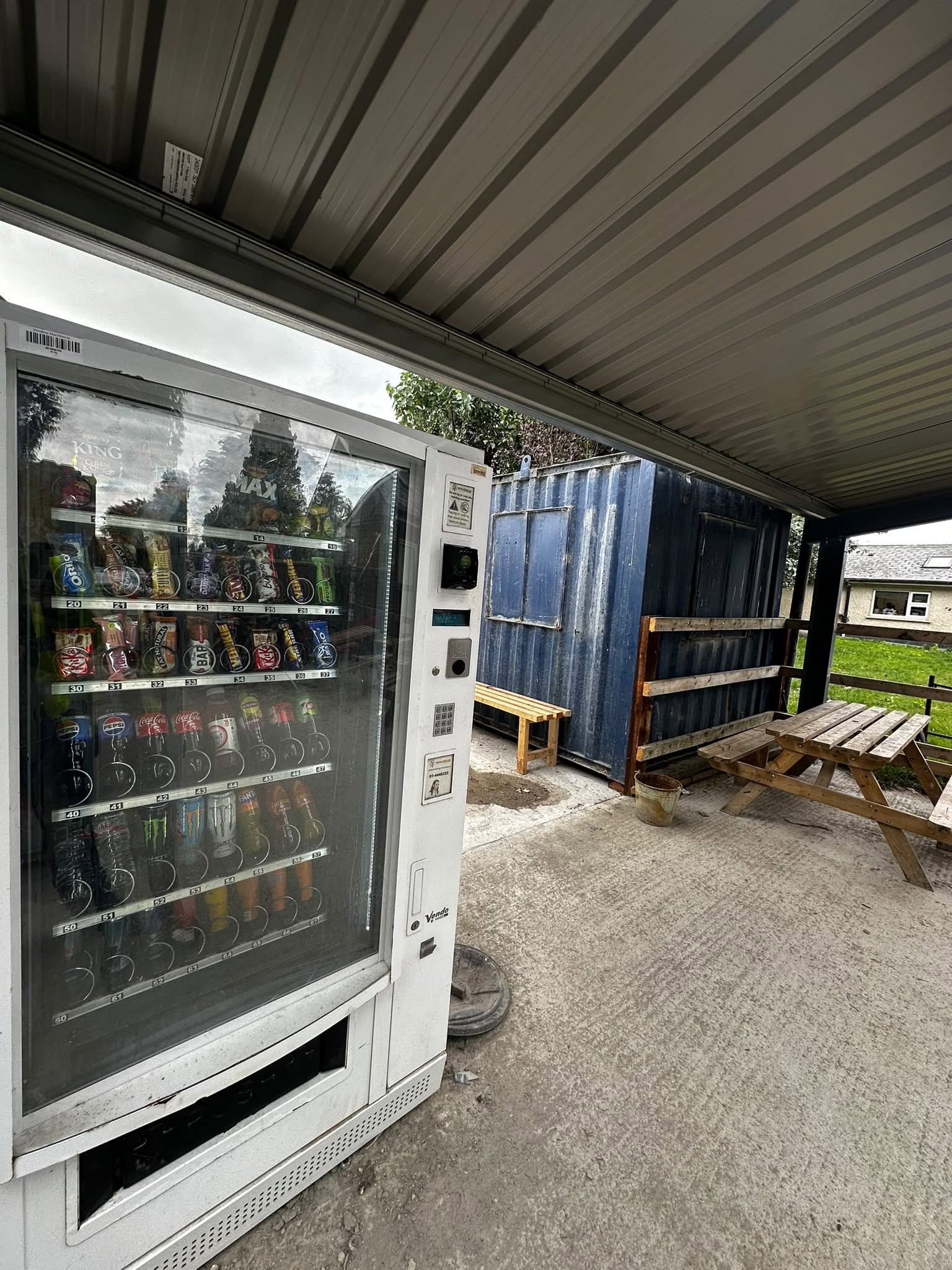
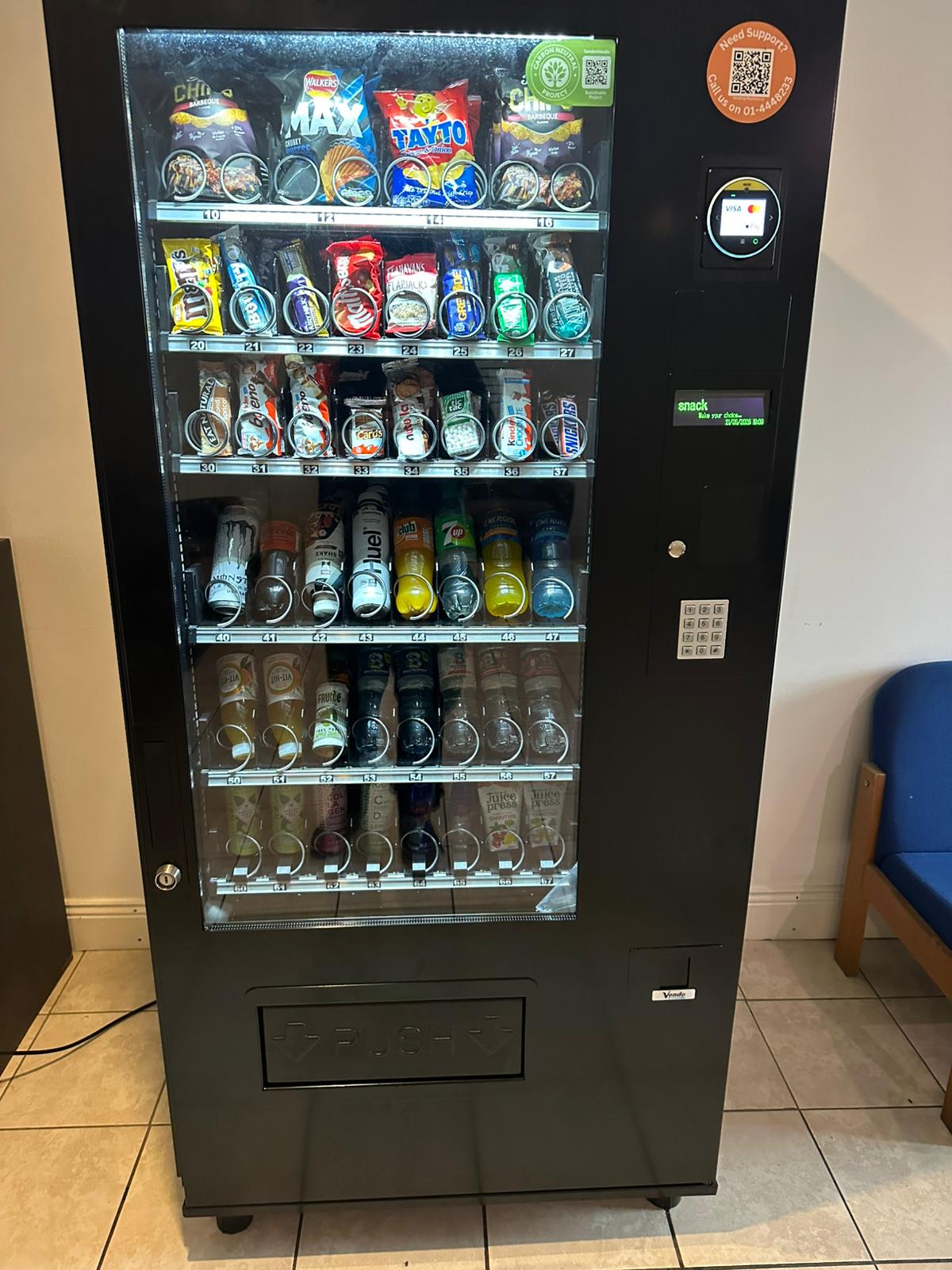
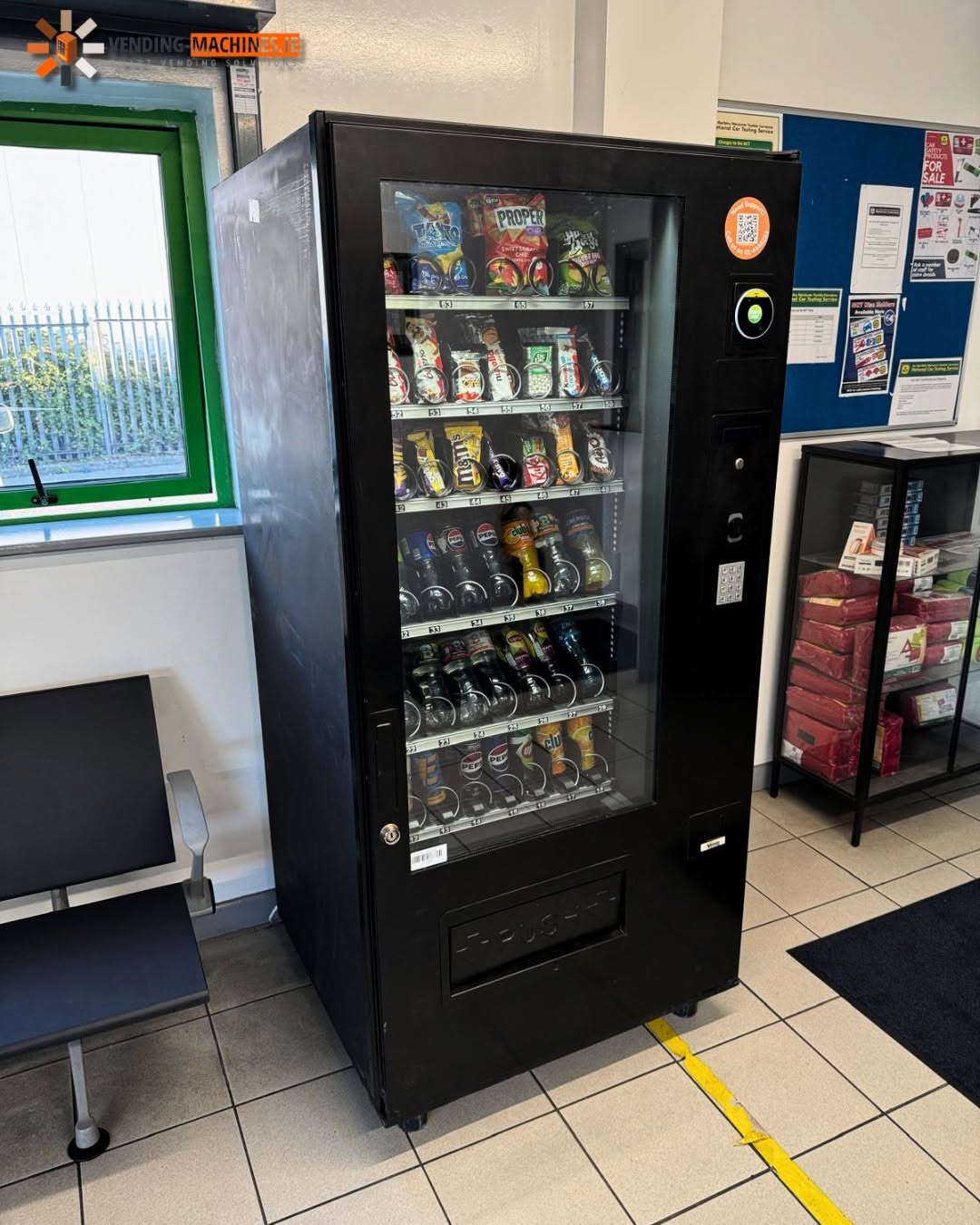
Start by creating a central record for every machine and location. Track each product, quantity, price, expiration date, and recent sales. Also, group machines by location, product type, or service schedule. This organized approach makes it easier to identify machines that need attention. Furthermore, operators can quickly compare inventory levels across locations and plan efficient restocking trips. As a result, they can save time, reduce unnecessary visits, and keep products available where customer demand is highest.
How Can I Track Vending Stock Levels?
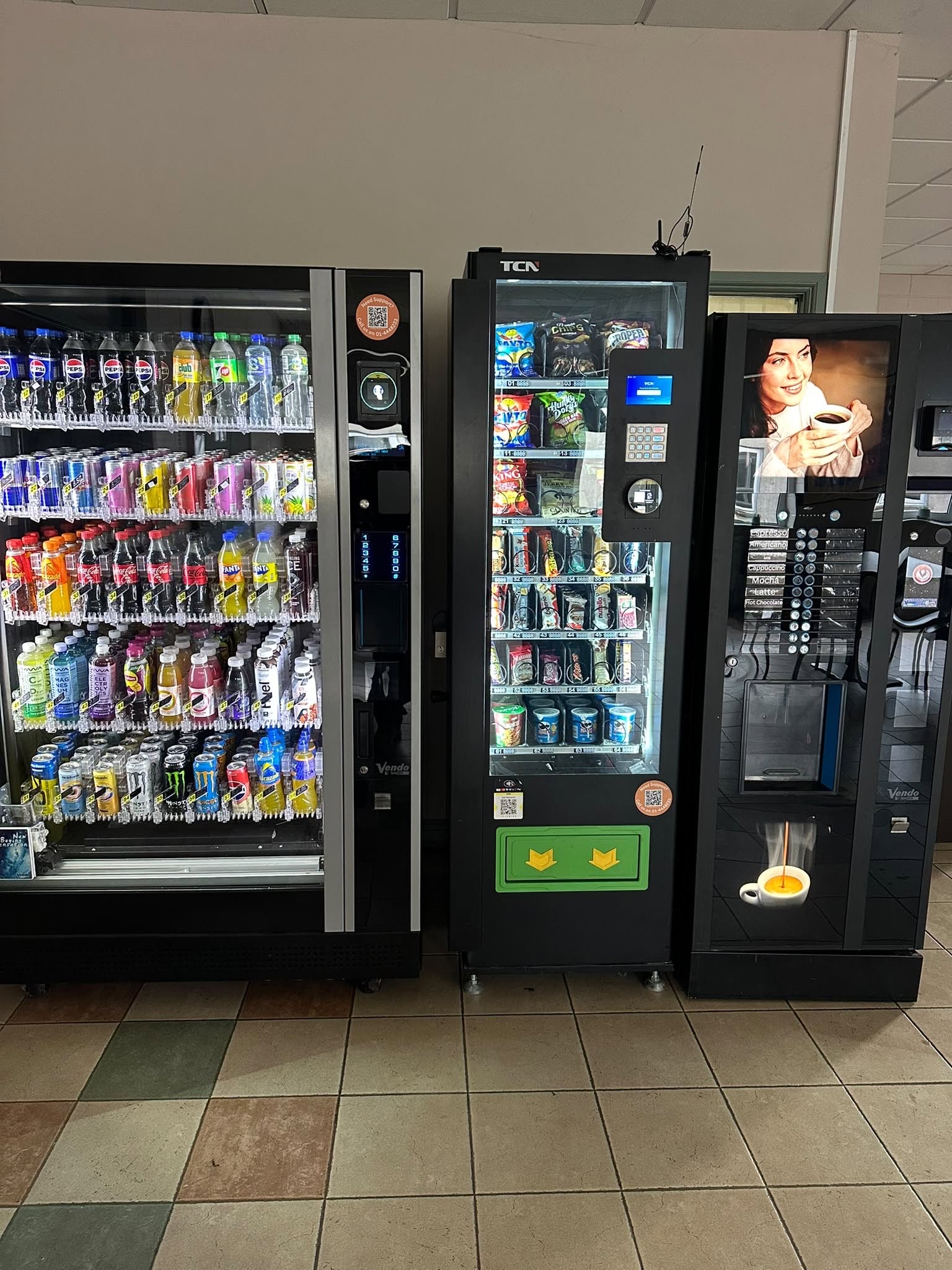
Regular stock monitoring helps operators respond before products run out. Review sales data and record current quantities for each machine. Then, set minimum stock levels for frequently purchased products. When inventory reaches those levels, schedule a replenishment visit. Additionally, review these levels regularly and adjust them based on changing customer demand. This approach helps operators maintain product availability, reduce stockouts, avoid unnecessary trips, and improve replenishment planning. As a result, each machine can receive the right products at the right time.
How Can I Manage Vending Stock Demand?
Different locations can have very different purchasing patterns. For example, an office may sell more coffee and healthy snacks, while a recreation facility may have higher demand for cold beverages. Review sales trends for each machine and adjust product quantities accordingly. Consequently, operators can move slower products to locations with stronger demand and give more space to popular selections. You can also use vending-machines.ie to explore vending solutions that support efficient operations.
How Can I Reduce Vending Stock Waste?
Managing expiration dates becomes especially important when several machines carry perishable products. Record expiration dates during each restocking visit and place products with earlier dates where they are likely to sell sooner. Furthermore, review slow moving items regularly. If a product consistently remains unsold, consider reducing its quantity or replacing it with an item customers prefer. Also, monitor customer demand and adjust orders accordingly. This approach can help protect margins, reduce waste, and keep vending selections fresh and appealing.
How Can I Improve Vending Stock Replenishment?
Create a consistent replenishment schedule based on actual sales rather than using the same schedule for every machine. High volume machines may need frequent visits, while lower volume locations may require less frequent service. Keep a restocking checklist for each location, and prepare products before leaving your storage area. In addition, record what you add to each machine so future visits become easier to plan. Review sales data regularly and adjust visit frequency when demand changes. This approach helps prevent stockouts, reduces unnecessary trips, and keeps each machine adequately stocked without carrying excessive inventory.
Conclusion
Finally, review inventory performance across all locations regularly. Compare sales, stockouts, waste, and replenishment frequency to identify opportunities for improvement. Look for products that sell quickly and those that repeatedly remain in machines. Then, adjust quantities, product selections, and service schedules based on these findings. By managing vending stock with accurate records and consistent reviews, operators can improve availability, control costs, and maintain a better customer experience. Contact us to learn more about practical vending solutions for managing multiple machines.