
How Can I Offer Personalized Recommendations Without Collecting Too Much Data?
Personalization helps every business improve customer experience. Yet many customers are now more careful about how their data is collected and stored. Because of this, owners want to create personalized recommendations while still respecting privacy. With the right approach, you can balance useful insights with minimal data collection.
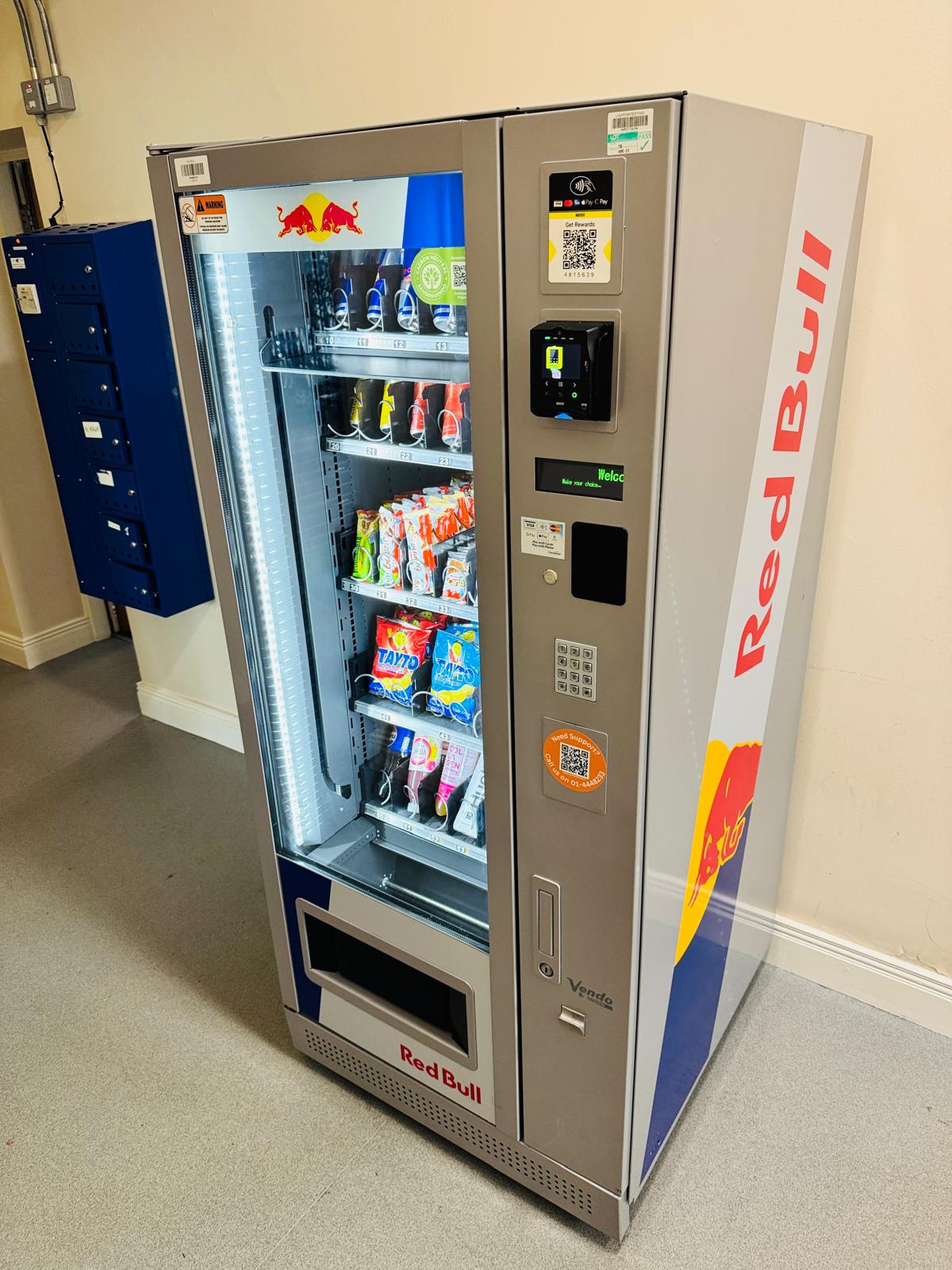
Why Personalized Recommendations Do Not Need Excessive Data
Many people believe personalized recommendations require large amounts of personal information. However, this is not true. You can deliver helpful suggestions by using simple and low risk data points. These include purchase history, product categories, general preferences, or basic interaction patterns. As a result, you can improve the customer journey without asking for sensitive details. This approach builds trust because customers feel safe and understood at the same time.
Simple Data Sources That Support Personalized Recommendations
There are several safe and effective ways to gather data. First, you can track what customers buy most often. This allows your system to suggest similar products without collecting private information. Second, you can observe browsing behavior. When customers click on certain items, you can highlight related products. Third, you can allow users to choose preference groups voluntarily. These groups may include food types, lifestyle needs, or preferred categories. Since customers pick these options on their own, the process remains respectful and transparent. Businesses that want to improve their vending services can explore solutions at vending-machines.ie for guidance on smarter user experience planning.
How Personalized Recommendations Improve Customer Satisfaction
When customers receive personalized recommendations that match their needs, they enjoy a smoother shopping experience. They spend less time searching and discover products that fit their interests. This convenience leads to more trust and repeat visits. It also helps brands stay relevant in competitive markets. Most importantly, it shows customers that their comfort and privacy matter. Because people value transparency, this thoughtful approach creates long term loyalty.
Privacy Focused Methods for Offering Personalized Recommendations
You can respect privacy while still offering personalized recommendations using a few simple methods. One is on device processing, where data stays on the user’s device instead of a server. Another is temporary data tracking, where insights are used briefly and not saved. A third method is using broad categories instead of individual details. For example, you can suggest fitness snacks to someone who buys protein items without knowing anything else. These methods help customers feel secure because unnecessary data is not collected. At the same time, you provide value with tailored product suggestions. This balance is ideal for businesses that want to stay modern without risking trust.
Building Trust While Offering Personalized Recommendations
Trust plays a major role in customer satisfaction. When you inform users about what data you collect and why, they feel more comfortable. Clear communication shows that you respect their choice. You can also give customers control through simple opt in and opt out settings. This empowers them to decide how much data they want to share. Because of this freedom, customers usually respond more positively to personalized recommendations.
Conclusion
The goal is to keep data collection minimal while still improving the overall experience. Focus on what truly matters. Useful patterns do not require personal identities. Instead, rely on behavior trends and voluntary preferences. This approach keeps your system effective and safe at the same time. It also reduces the risk of storing sensitive information. If you want to learn how to implement these strategies for your vending business, contact us.


