How Can I Use Real-Time Demand for Dynamic Pricing?
Dynamic pricing works best when it responds to real time demand. Moreover, it allows businesses to adjust prices based on customer activity. In addition, this approach helps match supply with demand more accurately and efficiently. Therefore, businesses can avoid both overpricing and underpricing across different situations. For example, when demand rises quickly, prices can increase slightly. Meanwhile, when demand slows, prices can adjust downward. As a result, sales stay balanced throughout the day and improve overall performance. However, successful dynamic pricing requires reliable data, fast systems, and continuous monitoring to ensure accuracy and maintain customer trust in every transaction.
How Dynamic Pricing Reacts To Real Time Customer Behavior
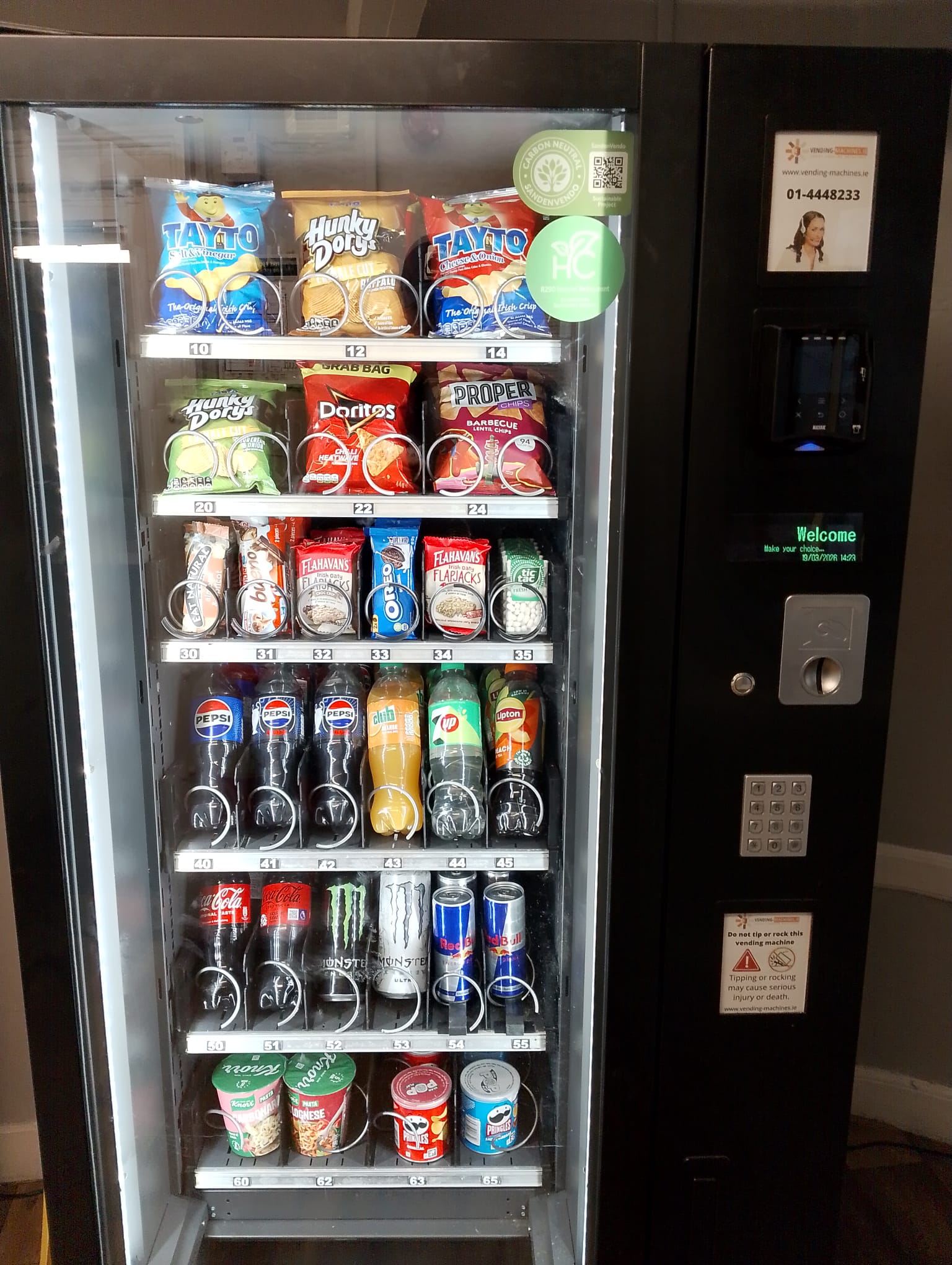
Pricing changes based on customer behavior patterns. Moreover, real time demand signals show when interest is rising. In addition, businesses can track these signals through digital systems and smart machines. Therefore, pricing decisions become more responsive and flexible during operations. For instance, busy hours may trigger higher prices automatically to manage demand. Meanwhile, slow periods can trigger discounts to attract more customers. As a result, this approach helps maintain a steady revenue flow during changing conditions and improves overall business efficiency across different market environments consistently.
Using Smart Systems For Pricing Decisions
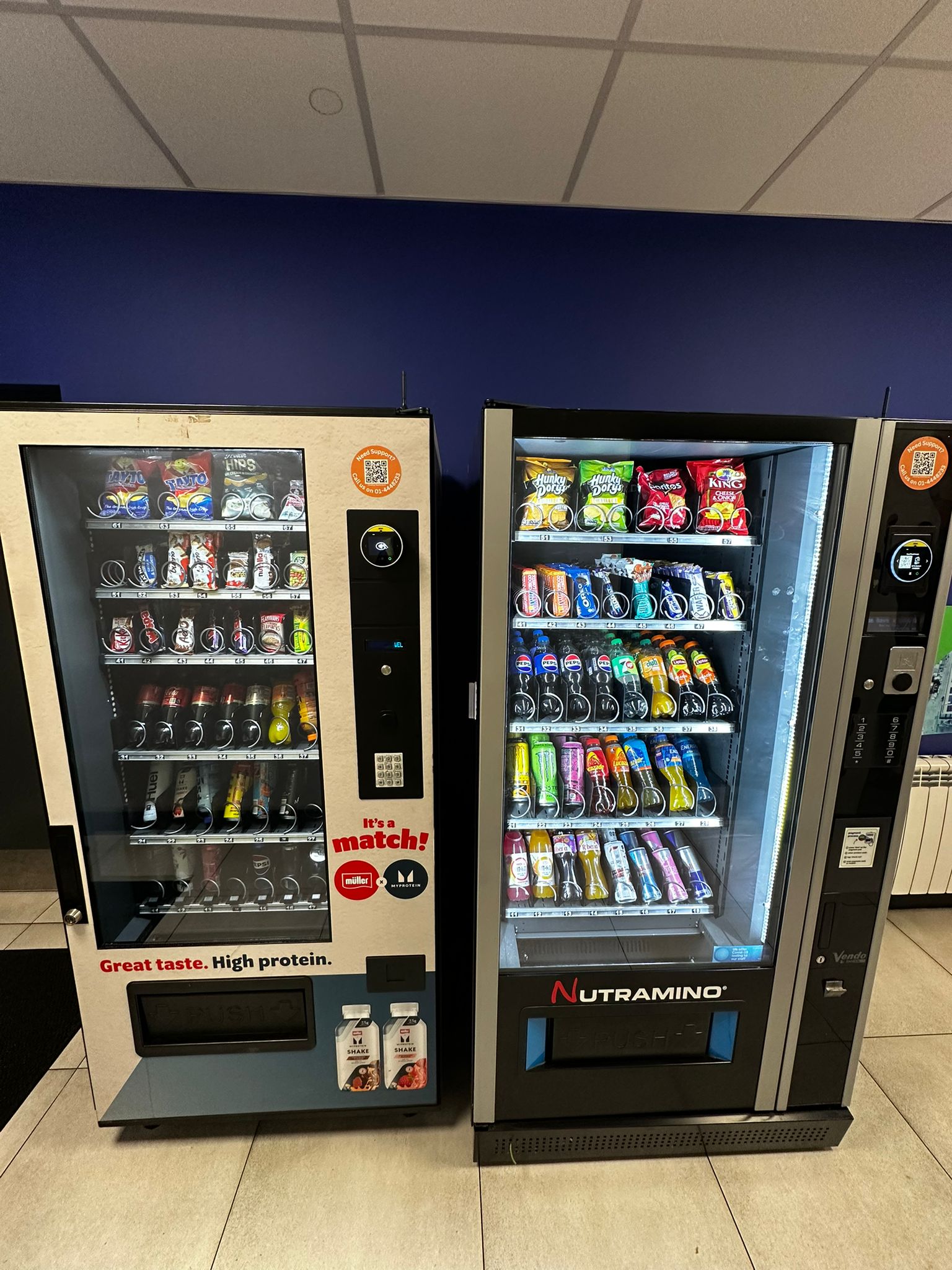
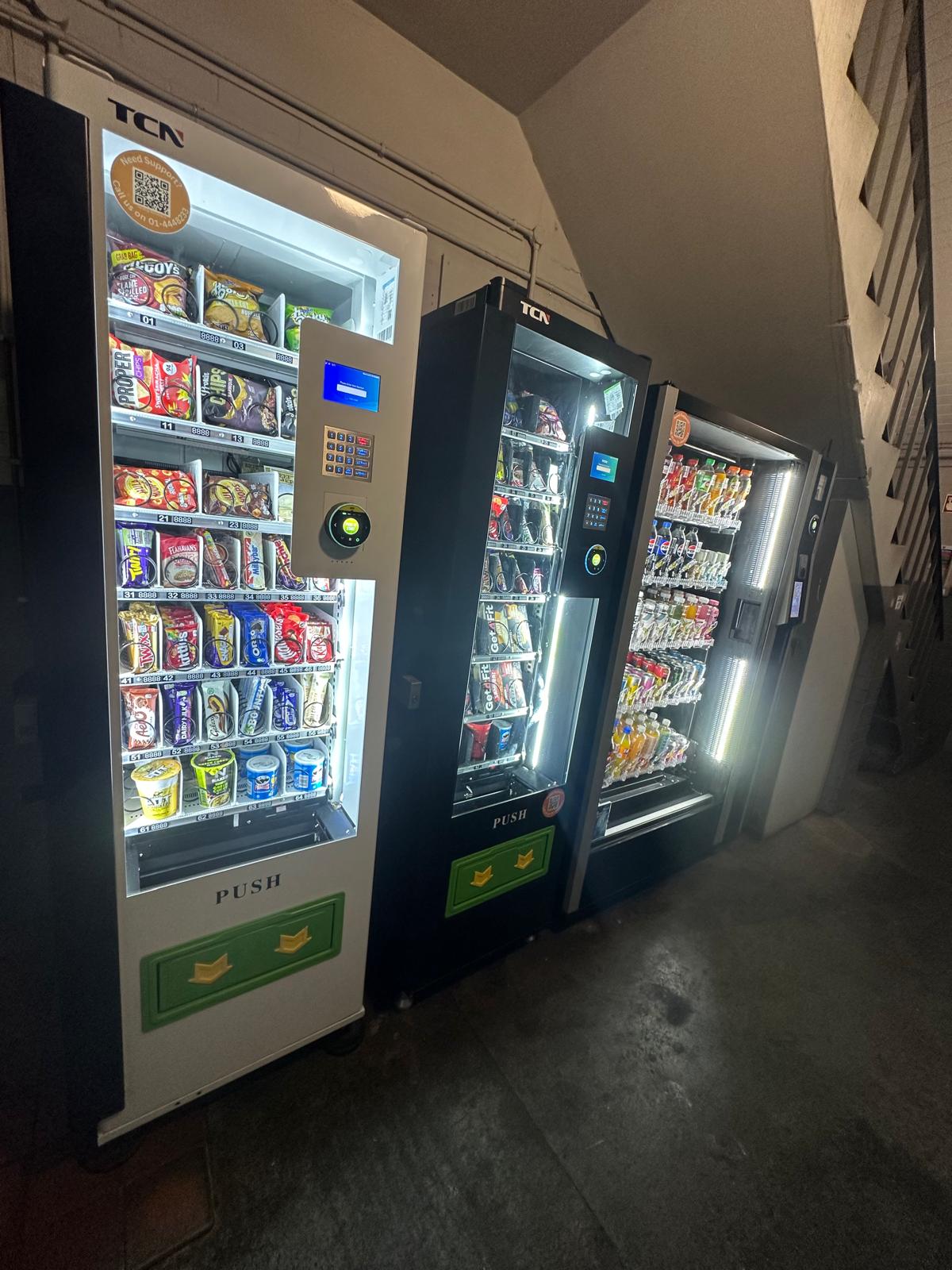
Smart systems play a major role in dynamic pricing. Moreover, they collect and process real time demand data continuously. In addition, these systems reduce manual effort and improve accuracy. Therefore, businesses can react faster to market changes. For example, vending operators can update prices instantly based on product demand. Meanwhile, automation ensures consistency across all machines. As a result, dynamic pricing becomes more efficient and scalable. You can explore more about vending systems at vending-machines.ie while learning how automation supports pricing strategies.
Dynamic Pricing Benefits During Peak Demand Periods
Dynamic pricing is especially useful during peak demand. Moreover, it helps businesses maximize revenue when interest is high. In addition, it ensures products remain available while demand is strong. Therefore, pricing adjusts in real time to reflect market pressure. For example, event venues often experience sudden demand spikes during busy hours. Meanwhile, this approach captures this opportunity effectively by responding instantly. As a result, businesses earn more during short high traffic windows and improve overall efficiency while maintaining better control over inventory and customer satisfaction levels.
Challenges Of Using Dynamic Pricing In Real Time Systems
Dynamic pricing also comes with challenges. Moreover, it requires accurate data and stable systems to work properly in real time environments. In addition, incorrect pricing updates can affect customer trust and reduce repeat purchases. Therefore, businesses must monitor systems carefully during all operations. Meanwhile, staff should review pricing rules regularly to ensure consistency. As a result, errors can be reduced significantly over time. However, with proper setup, this approach becomes reliable, effective, and scalable for different business models and helps maintain long term performance stability across changing market conditions.
Final Thoughts
Dynamic pricing helps businesses stay flexible in changing markets. Moreover, it improves revenue control and demand response. In addition, it supports smarter decision making in real time environments. Therefore, businesses that use real time demand gain a strong advantage. Contact us to learn how dynamic pricing strategies can improve your vending operations and help you achieve better results over time.