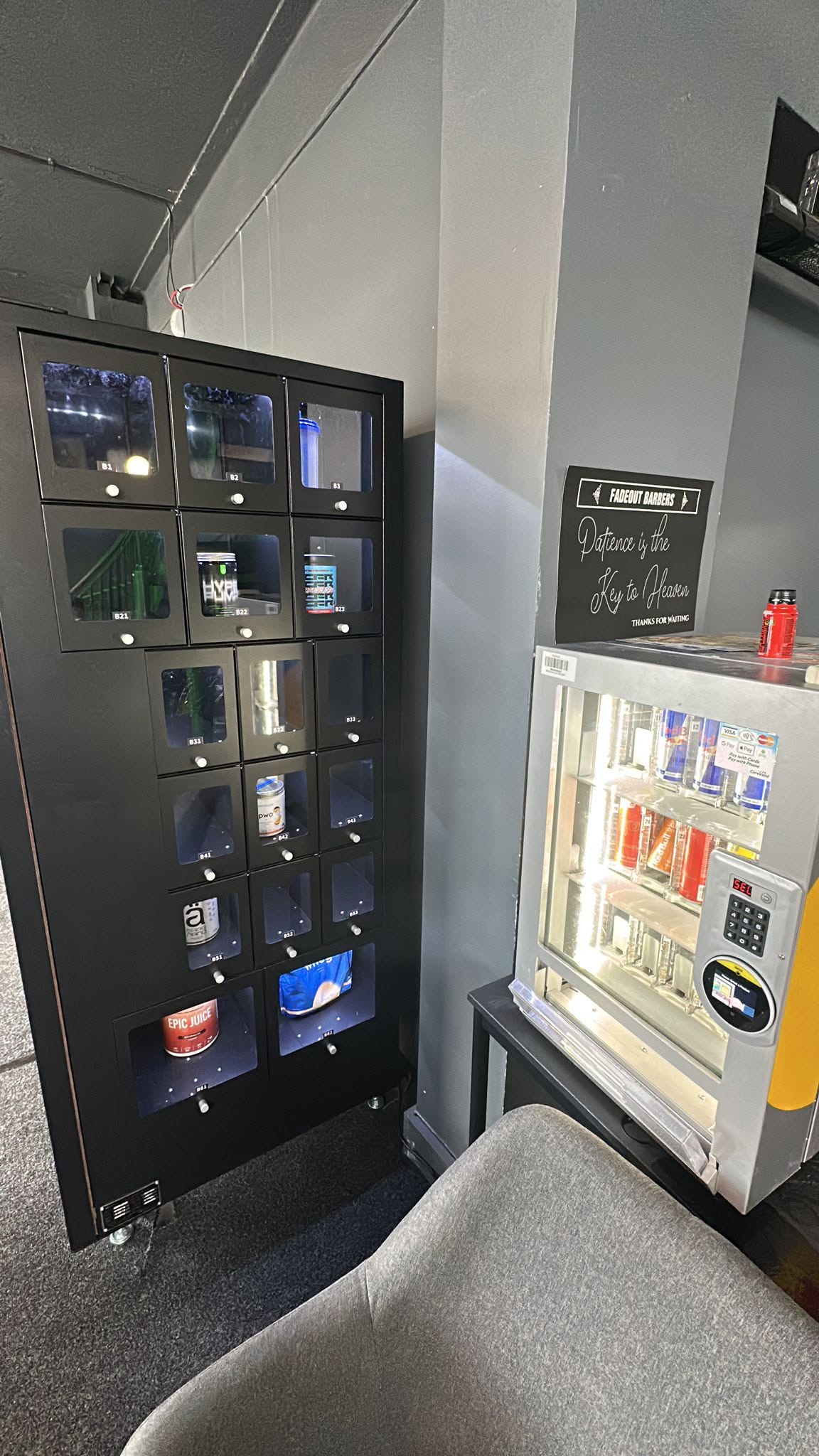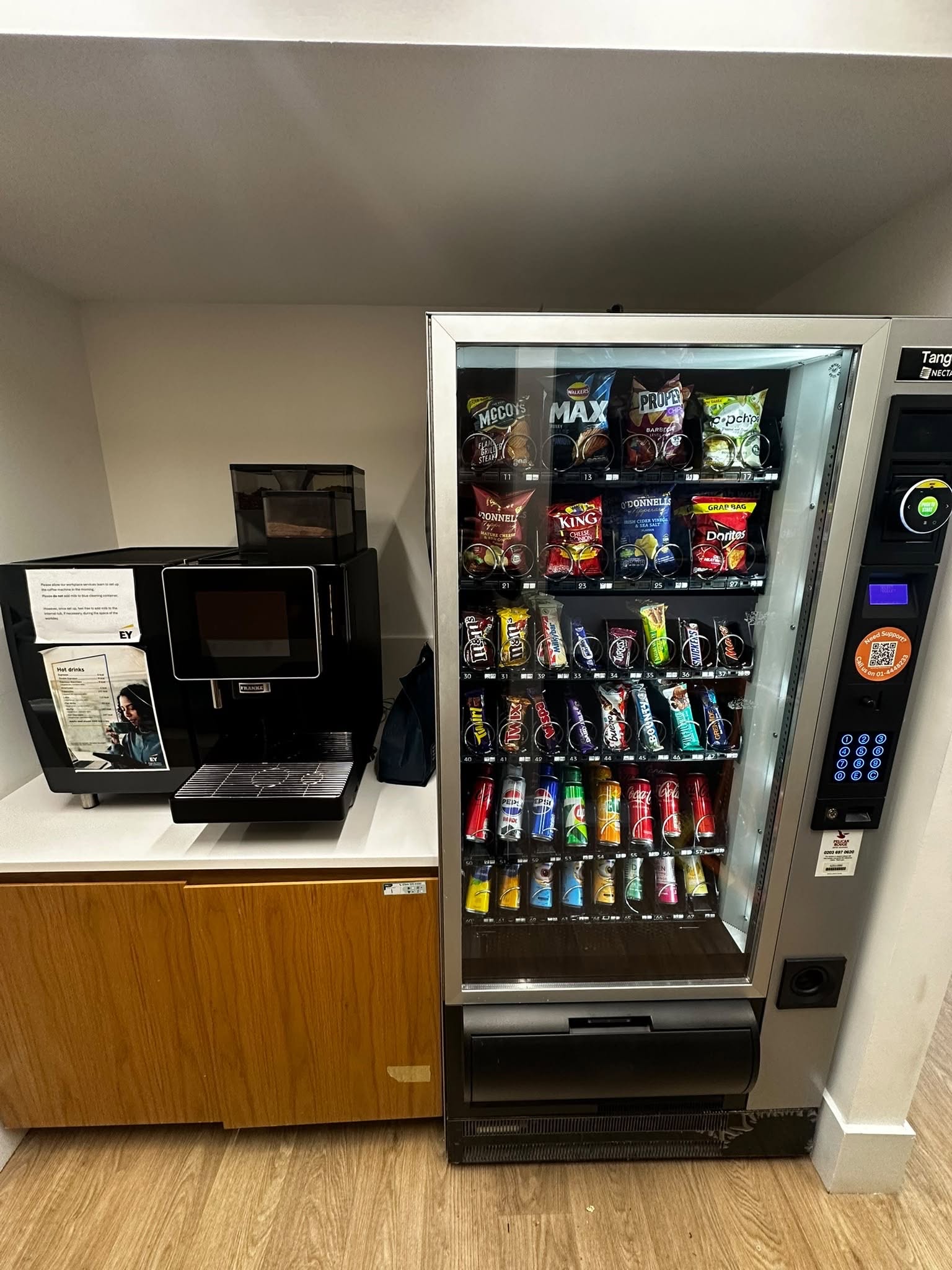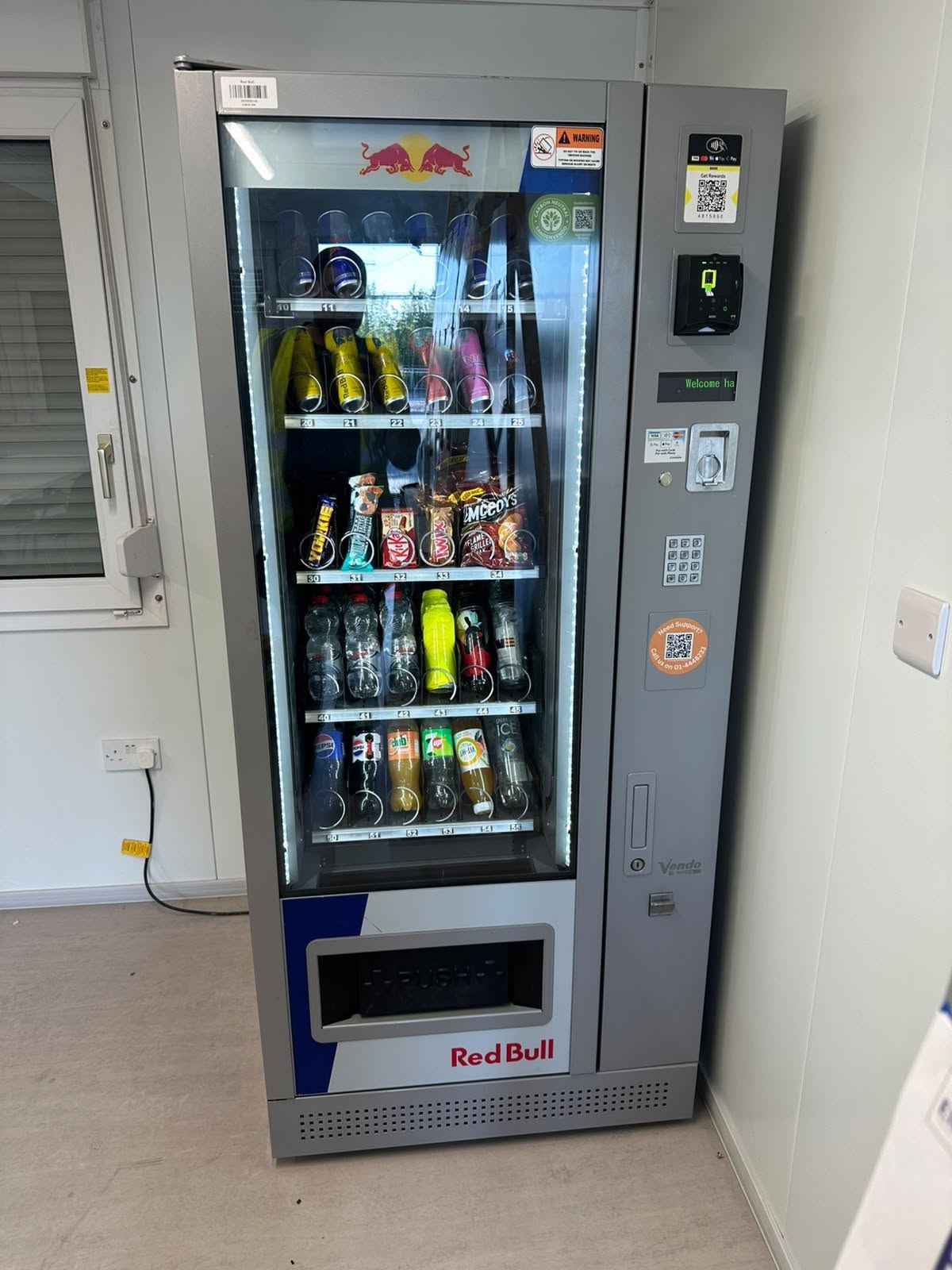
How Can Vending Analytics Predict Product Demand?
Vending machines can provide convenient products throughout the day. However, operators need to know which items customers want and when they want them. This is where vending analytics can help. By collecting and analyzing sales information, businesses can identify purchasing patterns and make better stocking decisions. For example, data can show which products sell quickly, which items perform poorly, and when demand increases. As a result, operators can use these insights to improve inventory planning. Over time, vending analytics can help businesses predict product demand more accurately and reduce unnecessary stock shortages or excess inventory.
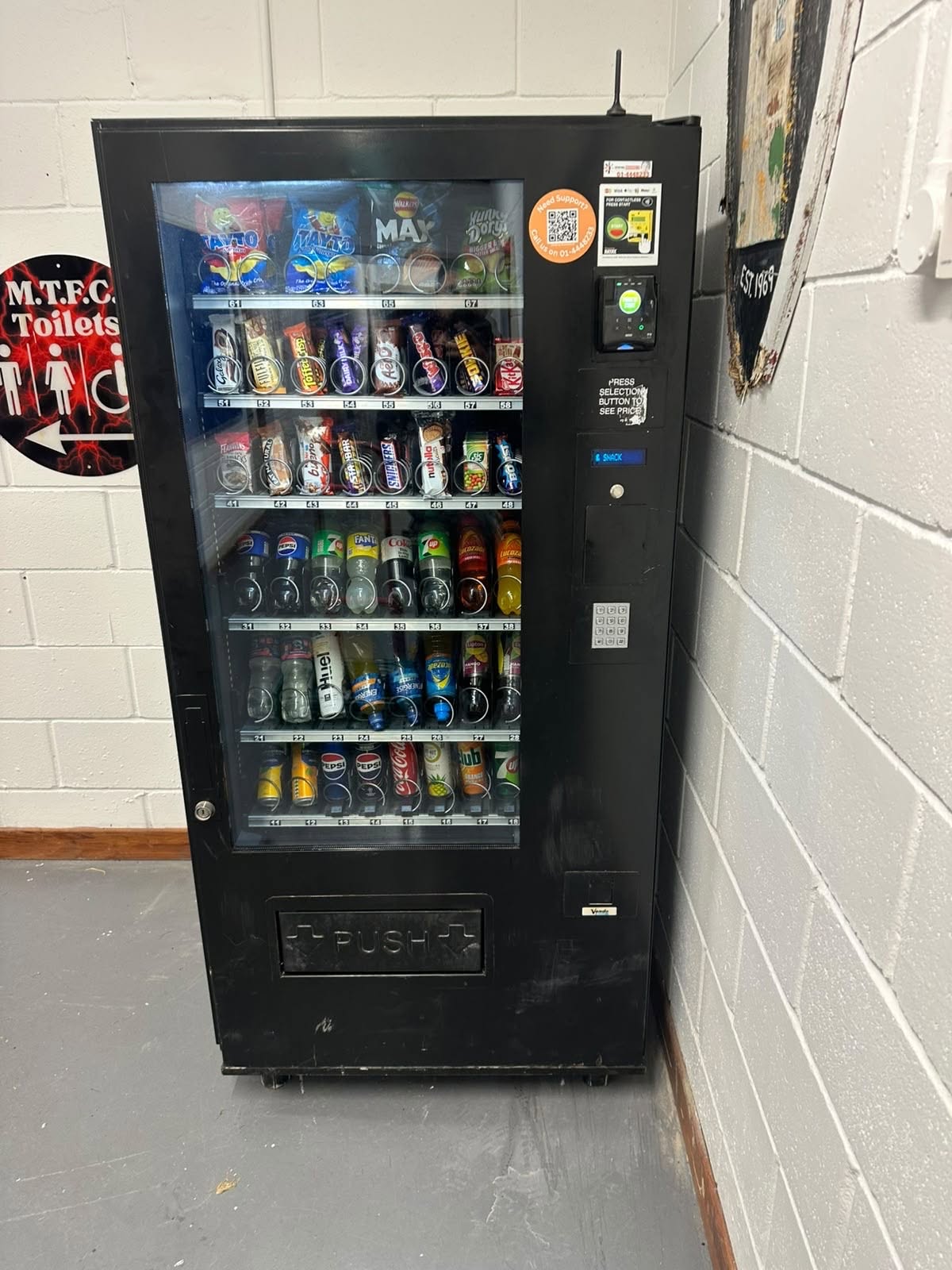
How Vending Analytics Tracks Product Demand
Vending analytics collects information from each transaction. The system can track products sold, sales times, quantities, and machine locations. Therefore, operators can see which items customers purchase most often. For example, a machine may sell more cold drinks during warmer periods. Similarly, snack sales may increase during certain working hours. By reviewing these patterns, operators can identify changes in product demand and adjust their inventory accordingly. This approach provides useful information that manual stock checks may not reveal.
Using Historical Data to Predict Product Demand
Past sales data can provide valuable clues about future purchasing behavior. Analytics systems can compare sales across different days, weeks, months, and seasons. Furthermore, they can identify recurring patterns that influence product demand. For instance, sales may increase during specific events, holidays, or busy work periods. Operators can then prepare their inventory before these changes occur. Consequently, historical data allows businesses to move from simply reacting to shortages toward planning their stock more effectively.
How Location Affects Product Demand
The location of a vending machine can strongly influence what customers purchase. An office machine may have different sales patterns from one located in a hospital, school, or manufacturing facility. Therefore, operators should analyze each machine separately when evaluating product demand. Analytics can reveal which products perform well at specific locations and which ones need replacement. This information can also help businesses determine the right product mix for each machine. For more information about vending solutions, visit vending-machines.ie.
Improving Inventory With Real Time Insights
Vending analytics can also help operators respond quickly to changing customer behavior. When sales information updates regularly, businesses can identify fast selling products before machines become empty. In addition, operators can notice products that remain unsold for long periods. This makes it easier to adjust quantities and reduce unnecessary inventory. As a result, businesses can use available machine space more effectively. Real time information also supports better restocking schedules, which can reduce unnecessary trips and help employees focus on machines that need attention first.
Conclusion
Analytics can make product demand planning more informed and efficient. However, accurate forecasting still depends on reliable data and regular monitoring. Operators should review sales trends, seasonal changes, location performance, and customer preferences together. Moreover, they should update their product selections when purchasing patterns change. By combining technology with regular inventory reviews, businesses can improve availability and reduce waste. Over time, these practices can create a more efficient vending operation while giving customers better access to the products they want. If you want to use data more effectively across your vending operations, contact us to discuss your requirements.