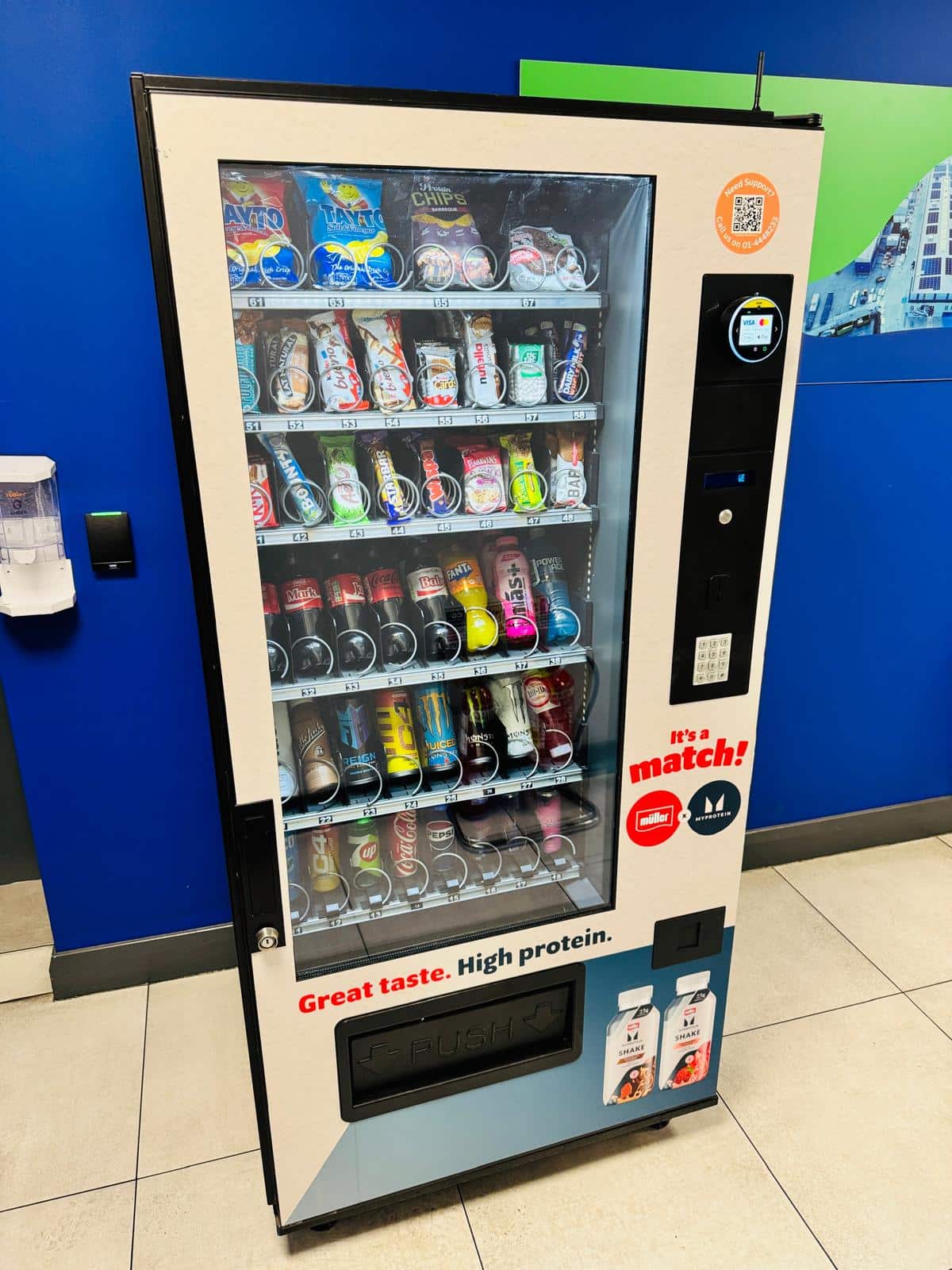
How Can Vending Machines Help Reduce Food Waste?
Food waste is a major global challenge, with about one-third of all food produced for human consumption wasted each year. Vending machines, once seen only as snack and beverage dispensers, are now evolving to actively help reduce food waste. By using innovative technologies, smart inventory management, and strategic operational practices, these machines can minimize spoilage, optimize stock levels, and ensure perishable items are used efficiently. This transformation supports a more sustainable and responsible food system worldwide.
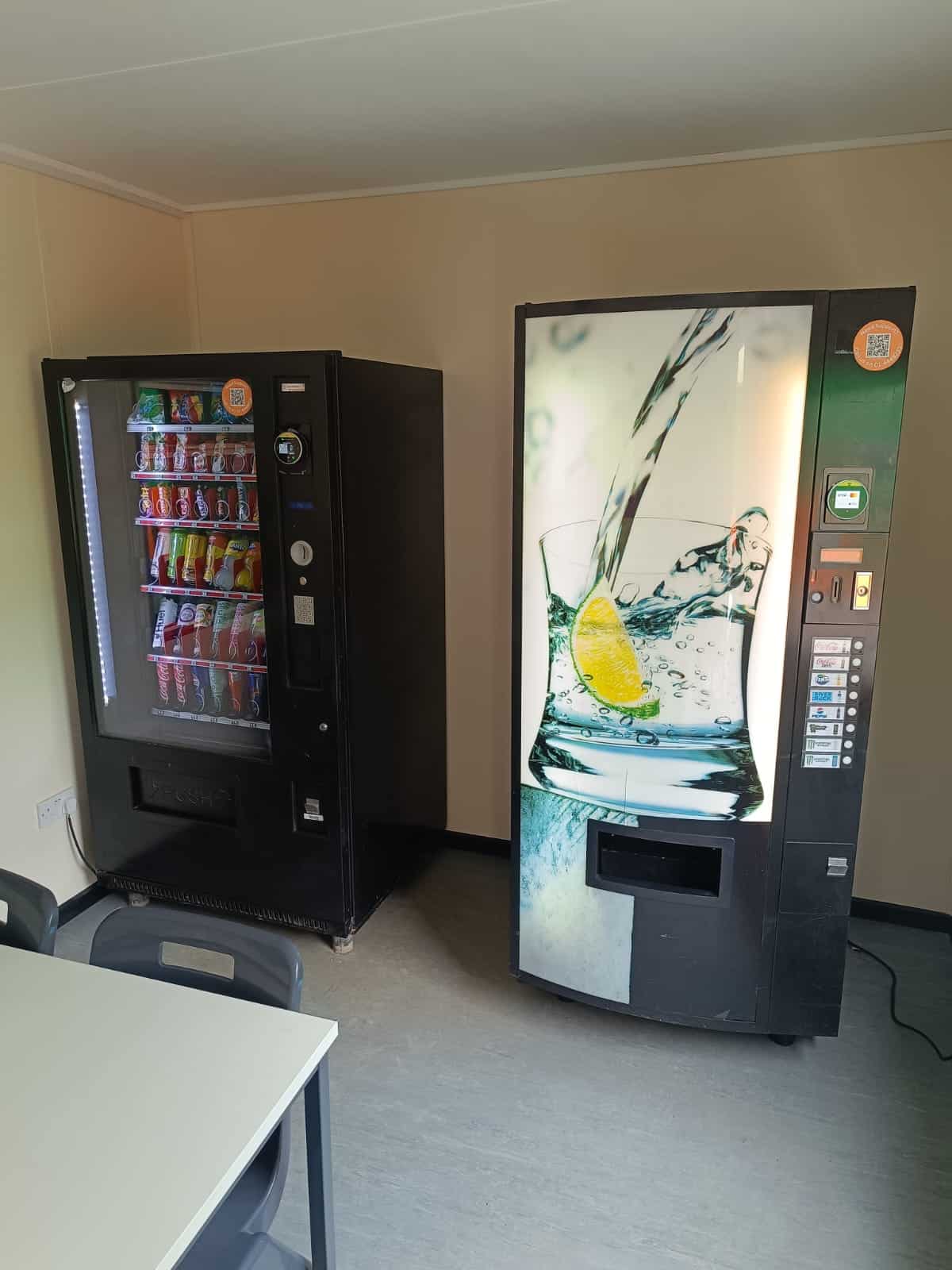
Smart Vending Machines with Real-Time Inventory Management
Modern vending machines with smart technology use sensors and RFID systems to monitor inventory in real time. This allows operators to track product quantities and expiration dates accurately, ensuring timely restocking and preventing overstocking of perishable items. By matching supply with actual demand, these machines help reduce food waste from unsold or expired products. Additionally, smart alerts and data analytics enable operators to make informed decisions, further minimizing waste while improving efficiency and customer satisfaction.
Optimized Stock Rotation and Expiry Date Tracking
Efficient stock rotation is essential in preventing food spoilage. Vending machines designed with advanced algorithms can prioritize the sale of items approaching their expiration dates. This system ensures that older products are dispensed first, reducing the likelihood of waste. Additionally, real-time data analytics enable operators to adjust inventory based on consumption patterns, further optimizing stock levels and minimizing waste.
Dynamic Pricing and Discount Strategies
Some vending machines use dynamic pricing models to offer discounts on items approaching their expiration dates. By lowering prices, these machines encourage consumers to buy products before they spoil. This approach helps reduce food waste while providing affordable options for customers. Additionally, dynamic pricing promotes sustainability by ensuring products are consumed rather than discarded and enhances cost-effectiveness for both operators and consumers, creating a system that benefits the environment, the business, and the community simultaneously.
Collaboration with Food Rescue Programs
Vending machines can work with food rescue organizations to redistribute unsold yet still edible food to people in need. Surplus items from these machines can be donated to local food banks or shelters, ensuring that safe, consumable food reaches individuals experiencing food insecurity. This approach not only helps reduce food waste but also strengthens community welfare. By connecting vending operations with charitable initiatives, businesses can make a meaningful impact while promoting sustainability and social responsibility.
Consumer Awareness and Education
Educating consumers about the importance of reducing food waste is vital. Vending machines can display information about the environmental impact of food waste and provide tips on minimizing it. By raising awareness, these machines empower consumers to make informed choices, such as selecting items with closer expiration dates or opting for products with minimal packaging.
Conclusion
Vending machines are transforming from mere convenience providers to active participants in the fight against food waste. Through smart inventory management, optimized stock rotation, dynamic pricing, collaboration with food rescue programs, and consumer education, these machines contribute significantly to reducing food waste. Embracing these innovations not only benefits the environment but also promotes a more sustainable and equitable food system. Contact us today to learn more about how our vending solutions can support your sustainability goals.