How Can Vending Machines Protect Customer Data?
Vending machines have become more connected and convenient. Modern machines can accept cards, mobile payments, and digital loyalty options. As a result, they may handle customer data during everyday transactions. Protecting this information is important for maintaining trust and reducing security risks. Fortunately, vending operators can use several practical measures to keep information safer.
Limit the Customer Data a Machine Collects
One of the simplest ways to improve security is to collect only necessary information. A vending machine usually does not need extensive personal details to complete a purchase. Therefore, operators should avoid collecting information that does not support a clear business purpose. When less information is stored, there is also less information that criminals could potentially access. Operators should also review what their machines collect through payment systems, loyalty programs, and other connected features. Furthermore, they should remove information that no longer serves a useful purpose.
Use Secure Payment Technology for Customer Data
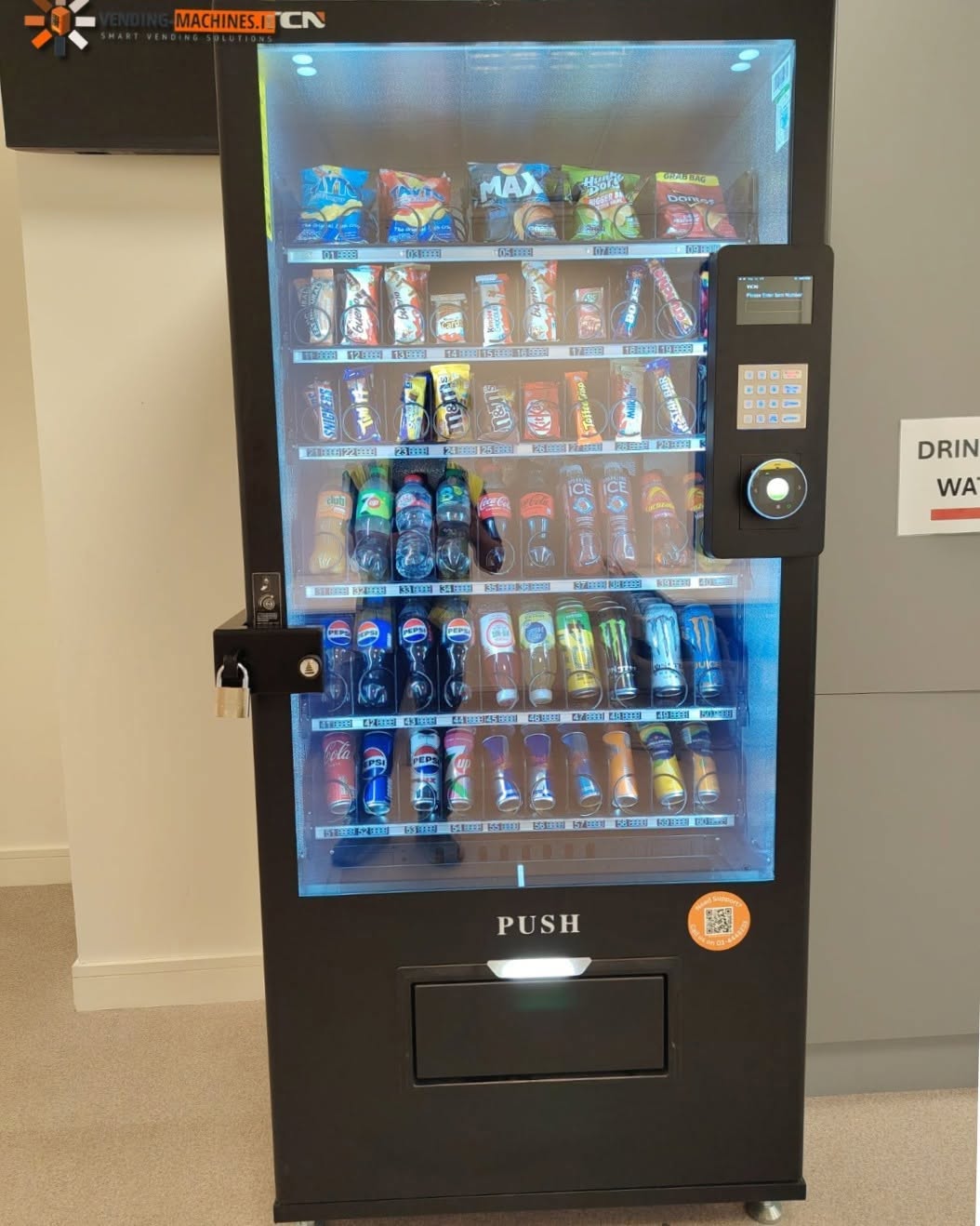
Payment security plays an important role when vending machines accept cashless transactions. Modern payment systems can use encryption and other security measures to protect customer data during transactions. Therefore, operators should use secure payment technology and keep related software updated. Additionally, vending machines should not store sensitive payment details unless there is a legitimate need and suitable protection. Instead, secure payment processing can reduce the amount of sensitive information handled directly by the machine. This approach can make transactions safer while simplifying security responsibilities for operators.
Protect Customer Data With Strong Access Controls
Connected vending machines often communicate with management systems through networks. Consequently, operators should protect these connections with strong passwords, access controls, and secure network configurations. Only authorized personnel should have access to administrative systems and machine information. Moreover, each staff member should have an appropriate level of access. For example, an employee who only checks inventory may not need access to customer data. By limiting permissions, operators can reduce the risk of accidental or unauthorized access. Businesses can explore vending solutions and operational requirements at vending-machines.ie.
Train Staff to Handle Customer Data Safely
Employees can play an important role in protecting information. However, even well-designed systems can face risks when staff members use them incorrectly. Operators should therefore train employees to follow secure procedures when accessing vending machine systems. For example, staff should avoid sharing passwords and should lock their accounts when they finish using a system. They should also know how to report suspicious activity. As a result, simple training can strengthen security across the entire vending operation and reduce preventable mistakes.
Build Trust Through Better Data Practices
Customers expect businesses to handle their information responsibly. Therefore, vending operators should explain how collected information is used when appropriate. Clear privacy practices can help customers understand what happens to their information after a transaction. In addition, operators should regularly review their security procedures. Technology changes quickly, and new risks can appear over time. By reviewing systems and policies regularly, businesses can continue improving how they protect customer data and maintain customer confidence.
Contact Us About Your Vending Needs
Protecting customer information requires a combination of secure technology, limited data collection, controlled access, and regular maintenance. Furthermore, these measures can improve customer confidence in cashless and connected vending services. Businesses should treat security as an ongoing responsibility rather than a one-time task. Contact us to discuss your vending requirements and learn more about practical solutions for your business.