How Can Vending Machines Test New Products?
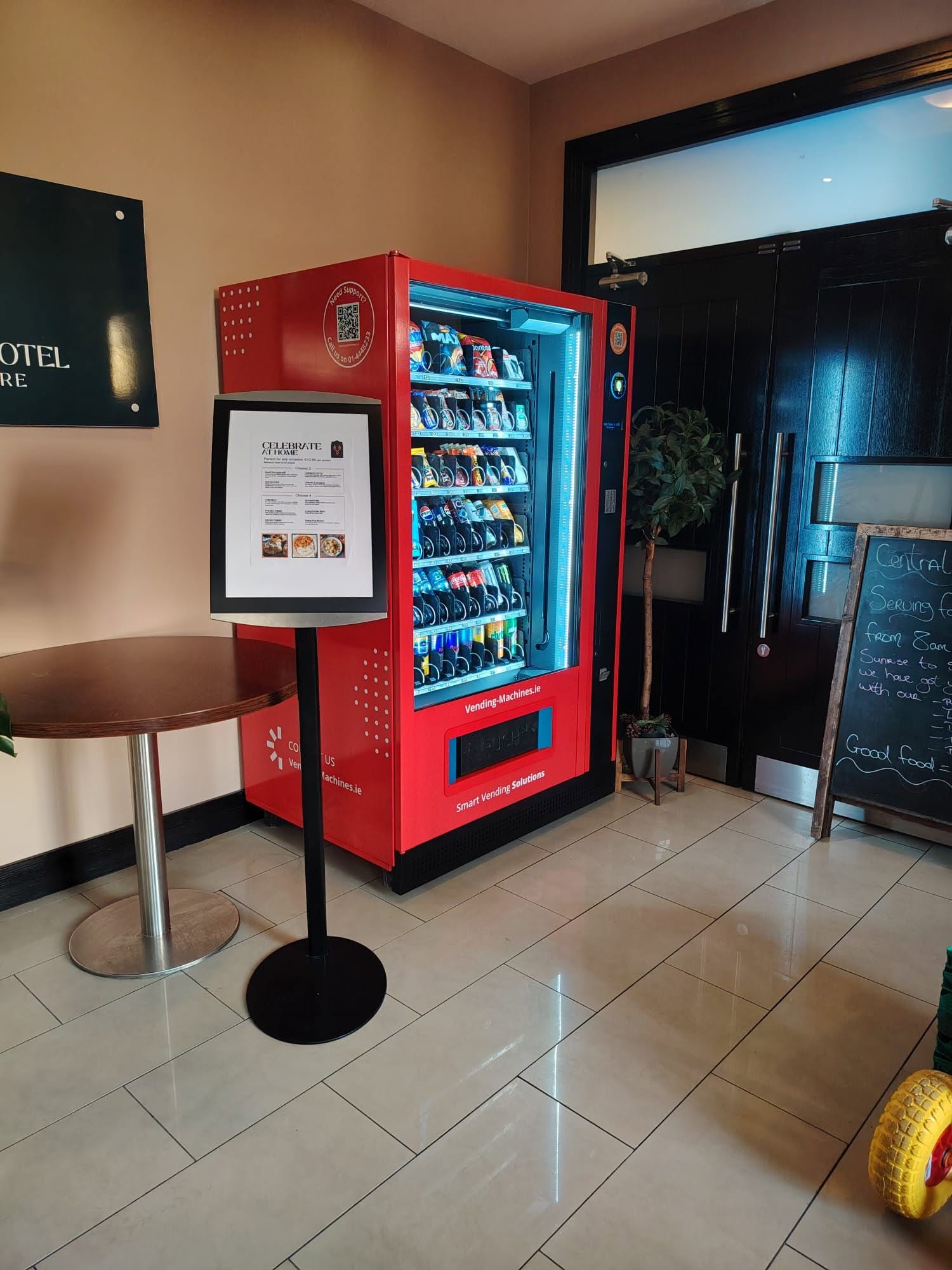
Vending machines can do more than sell established products. They can also help businesses test new products in real customer environments. Instead of investing in large quantities, operators can introduce a small selection and monitor purchasing behavior. This approach provides useful insights into customer preferences, sales patterns, and product demand. Furthermore, operators can compare results with established items and gather feedback from customers. As a result, vending machines can offer a practical way to evaluate product potential before expanding distribution.
How Can Vending Machines Introduce New Products?
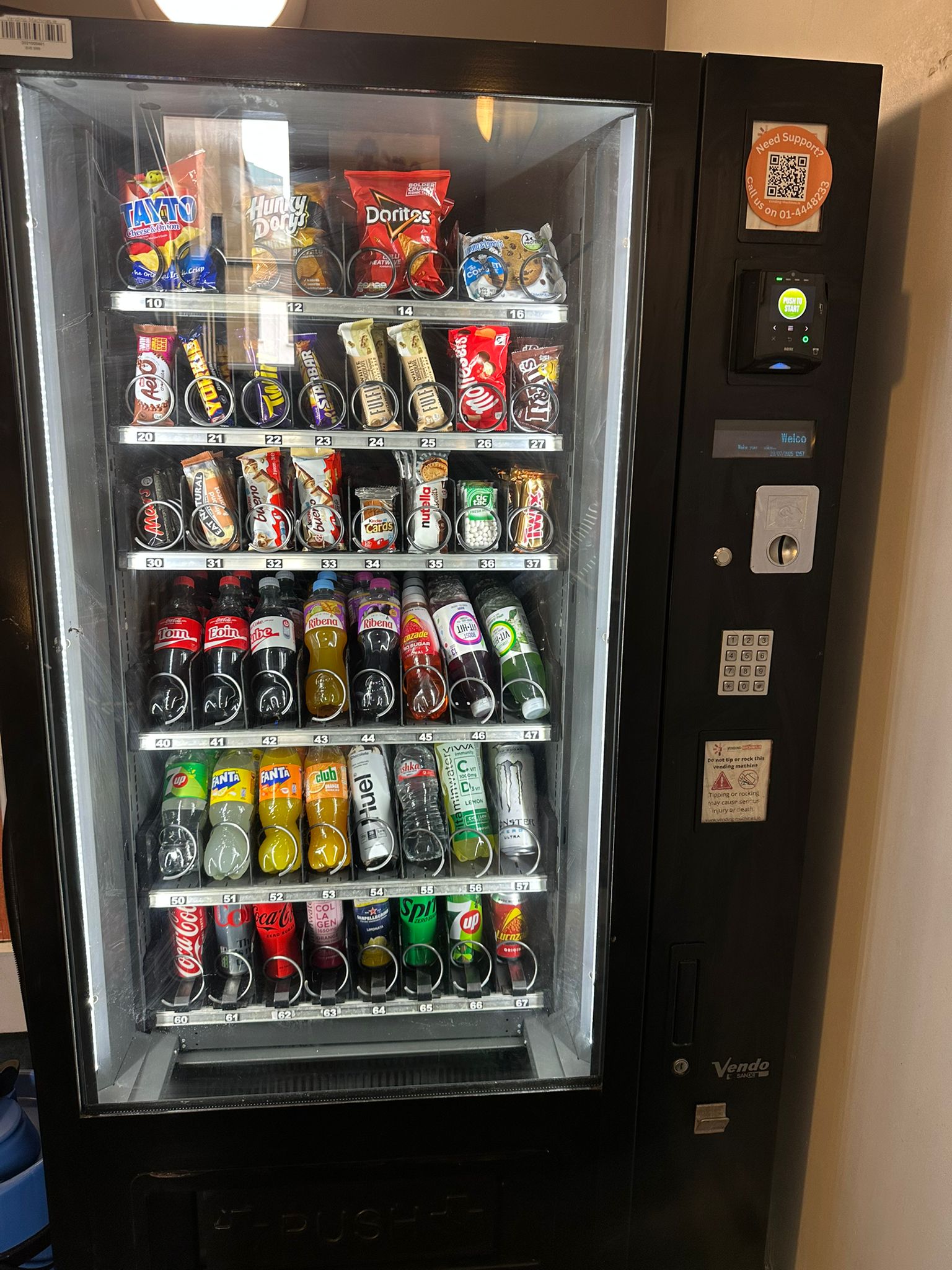
Operators can dedicate a few machine selections to products they want to test. For example, they might introduce a new snack, beverage, or convenience item alongside familiar choices. Customers can then decide whether the product appeals to them. Therefore, vending machines offer a simple testing environment without requiring a complete change to the existing product range. Operators can also rotate test items regularly to compare different new products.
What Data Can New Products Provide?
Sales data can reveal how customers respond to unfamiliar products. Operators can track the number of units sold, purchase times, and locations where particular items perform well. Furthermore, comparing these results with established products can provide additional context. A product that sells quickly may deserve more space, while a slower item may need a different price or placement. Consequently, new products can be evaluated using actual purchasing behavior rather than assumptions.
Can Vending Machines Compare Different Products?
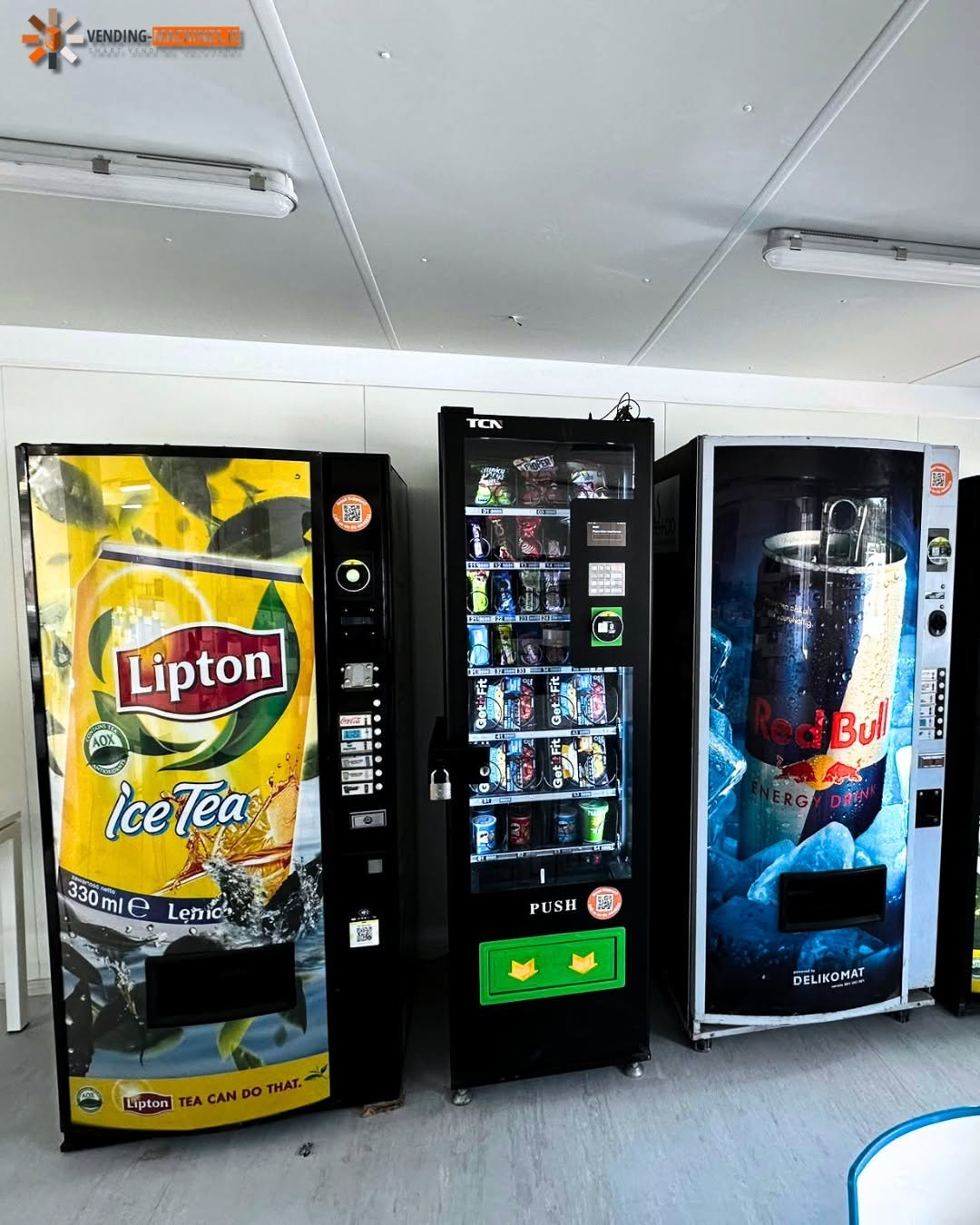
Yes, operators can test several new products against one another by giving them similar visibility and availability. For example, two new snacks can occupy comparable positions in a machine for a set period. This approach can make performance comparisons easier. However, operators should consider factors such as price, seasonality, location, and customer demographics. Otherwise, differences in sales may not accurately reflect product popularity.
How Does Location Affect Product Testing?
Location can strongly influence how customers respond to new products. A healthy snack may perform well in a fitness facility, while a different product may attract more interest in an office or transportation location. Therefore, operators should consider the audience before evaluating test results. Businesses can explore vending solutions at vending-machines.ie when planning product testing strategies. Additionally, testing the same item in different locations can reveal where it has the greatest potential.
Can Customer Feedback Support New Products?
Sales figures provide valuable information, but direct customer feedback can add useful context. Operators can use digital screens, QR codes, or simple surveys to ask customers about products they have tried. Moreover, feedback can explain why an item performed well or poorly. Customers might like the flavor but dislike the price, for example. As a result, combining feedback with sales data can give operators a clearer picture of which new products have potential.
Conclusion
Businesses should establish clear testing periods and performance measures before introducing new products. They can track sales volume, revenue, customer feedback, and repeat purchases. Additionally, operators should compare results with similar established products. This process can help identify products that deserve permanent placement and those that should be replaced. By testing carefully, businesses can reduce the risk of investing heavily in products that customers may not want. If you want to explore vending solutions for testing products in your business, contact us to discuss your requirements.