How Can Vending Restocking Routes Save Time?
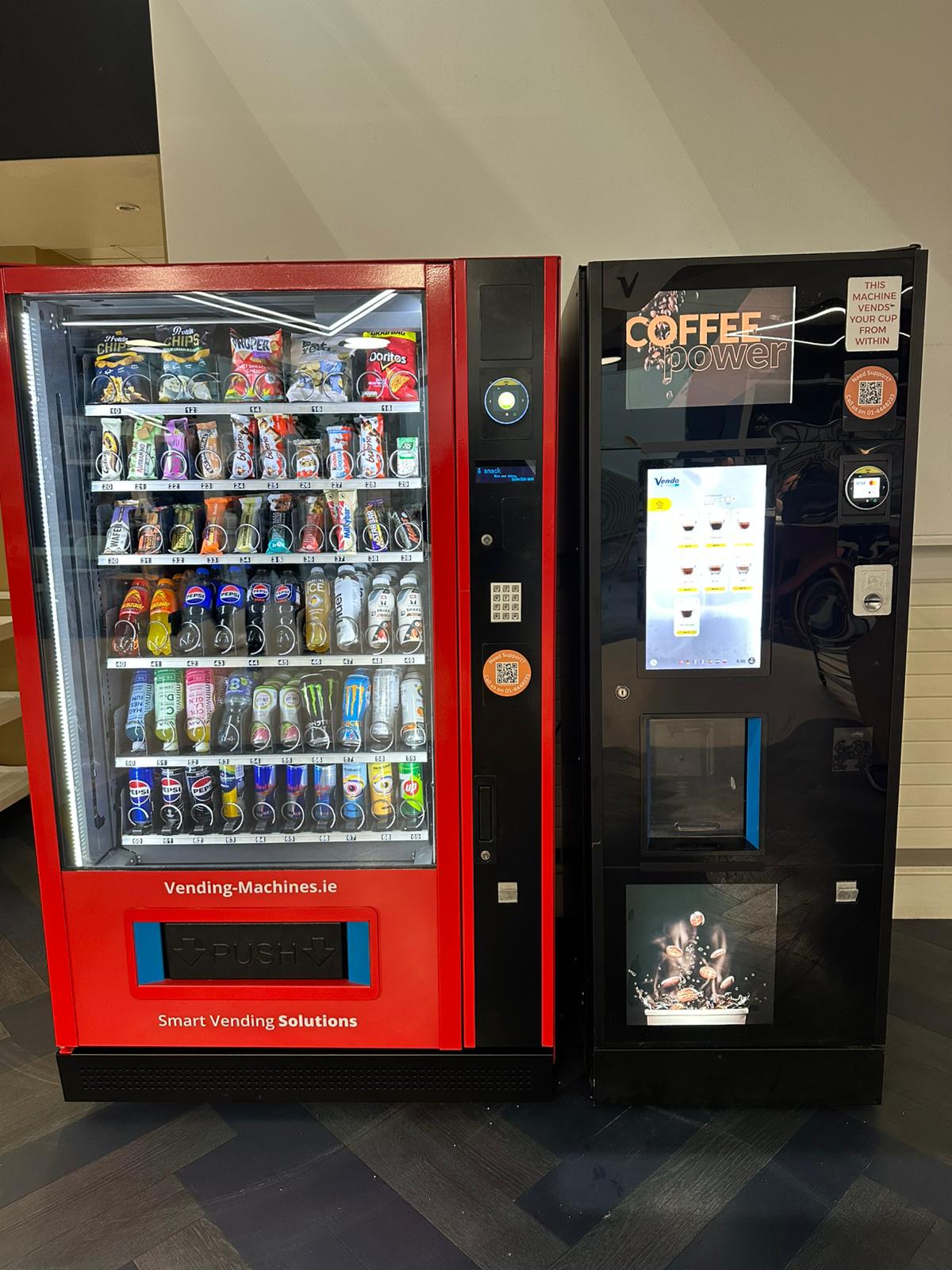
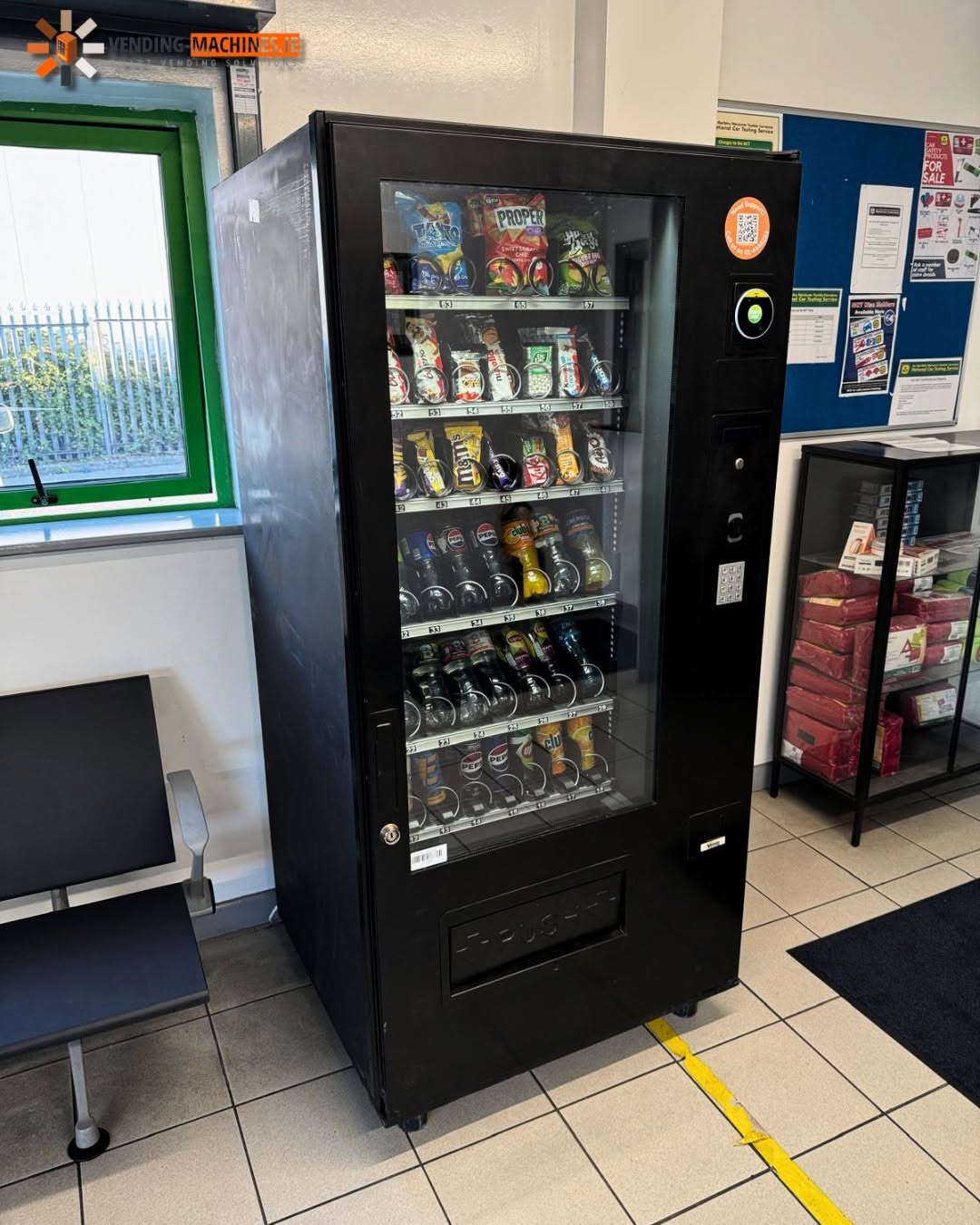
Vending operators often manage several machines across different locations. Without a clear route, staff can waste valuable time driving between sites or making unnecessary visits. However, a thoughtful schedule can organize these tasks around distance, demand, and service needs. As a result, operators can complete more work during each trip while keeping machines supplied. Effective vending restocking also makes daily responsibilities easier to track. Therefore, route planning can become an important part of a productive vending operation.
Why Vending Restocking Routes Matter
Vending restocking routes help operators group nearby machines into practical service areas. Instead of traveling back and forth, staff can visit several locations during one trip. Moreover, operators can arrange stops according to traffic conditions. This approach reduces unnecessary travel and helps teams use their working hours more effectively. Consequently, staff can spend more time checking machines, filling products, and maintaining equipment. In addition, consistent routes make daily planning easier.
How Vending Restocking Reduces Travel
Vending restocking can reduce wasted mileage when operators organize locations by geography. For example, machines in the same neighborhood can form one route, while distant locations can follow another schedule. Furthermore, operators can review traffic patterns before planning their daily stops. As a result, staff may reach more machines without extending the workday. They can also reduce fuel use and avoid repeating the same roads unnecessarily.
Using Data for Vending Restocking
Sales records can make vending restocking more effective. For instance, a busy machine may need frequent service, while a slower location may need fewer visits. Similarly, inventory information can help operators identify machines that need attention before products run out. Therefore, teams can prioritize locations based on actual demand instead of following a fixed schedule for every machine. This strategy saves time because staff can focus their efforts where they matter most. In addition, regular data reviews can reveal patterns that support better planning.
How Vending Restocking Improves Scheduling
Vending restocking works more efficiently when teams create predictable service schedules. Operators can assign specific locations to certain days. Moreover, staff can prepare products, supplies, and equipment before leaving the facility. Consequently, they can avoid returning for forgotten items or making extra trips. A consistent schedule also helps managers balance workloads across staff members. Over time, this organization can make busy service days easier to manage and can reduce last minute changes.
Technology for Better Route Efficiency
Technology can support smarter vending restocking decisions with useful inventory and sales information. Remote monitoring systems, for example, can alert operators when machines need attention. Additionally, digital records can help teams review service history. Operators can learn more about practical vending solutions at vending-machines.ie. As a result, staff can spend less time checking machines that still have sufficient stock. They can instead focus on locations that require immediate service.
Planning for Long Term Efficiency
Successful vending restocking routes should remain flexible because vending needs can change over time. New locations, seasonal demand, traffic changes, and product trends may all affect service requirements. Therefore, operators should review their routes regularly and adjust them when necessary. They can combine nearby stops, change visit frequency, and prioritize high demand machines. Ultimately, vending restocking routes can reduce travel time and help staff complete service tasks more efficiently. Contact us to discuss how practical route planning can support your vending operation.