
How Do I Balance High-Margin vs. High-Demand Items in a Vending Machine?
Running a successful vending machine business requires more than just filling it with products. Operators need to find the right mix of high-margin items and high-demand items to maximize profits while keeping customers satisfied. Understanding how to balance these two categories can improve sales, reduce waste, and create a better overall experience for customers. Additionally, paying attention to location, seasonal trends, and customer feedback allows operators to adjust offerings strategically, ensuring that both popular and profitable products are consistently available to meet demand effectively.
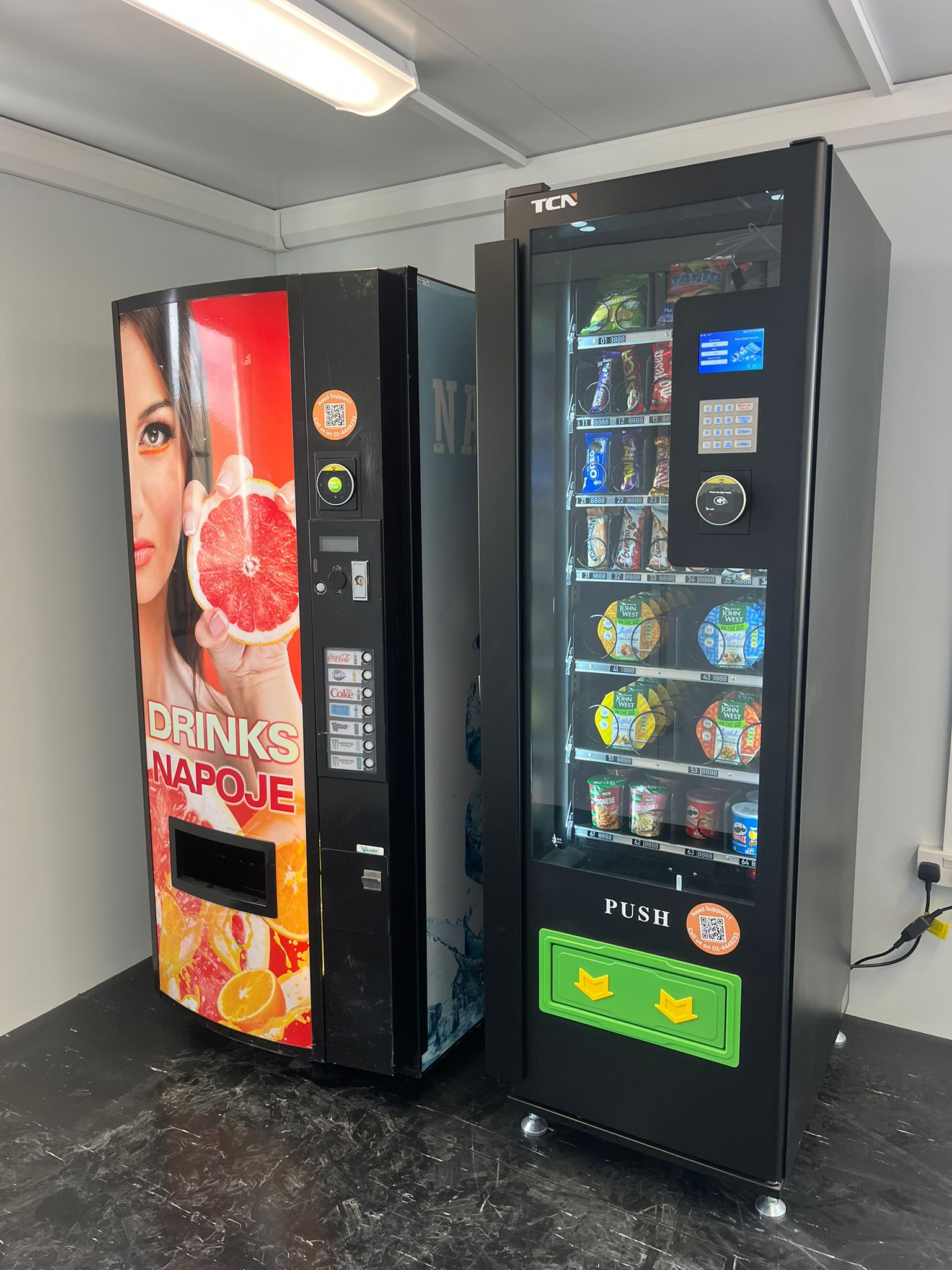
Understanding High-Margin and High-Demand Items
High-margin items are products that bring in more profit per sale. These might include specialty drinks, premium snacks, or unique merchandise. While these items increase revenue, they may not sell as quickly as others. In contrast, high-demand items are popular, frequently purchased products such as water bottles, soda, or classic snacks. Although margins on these items may be lower, they drive consistent sales and keep customers returning to the machine. Balancing both types ensures profitability while meeting customer expectations, and careful planning helps optimize inventory, minimize waste, and enhance overall machine performance.
Analyzing Customer Preferences
To balance high-margin and high-demand items, start by analyzing customer preferences. Observe which products sell quickly and which sit on shelves for longer periods. Data collection can include tracking sales trends over time, noting peak purchasing hours, and monitoring seasonal variations. This analysis helps identify which high-demand items are essential and which high-margin items have the potential to succeed alongside them. Additionally, adjusting product placement, pricing strategies, and promotional efforts based on this data ensures both profitability and customer satisfaction are maximized consistently.
Strategic Product Placement
Placement within the vending machine plays a key role in balancing sales. Position high-demand items at eye level to ensure they are easily visible and accessible. High-margin items can be placed slightly above or below eye level, where customers still notice them but are encouraged to explore beyond their usual choices. By combining thoughtful placement with appealing presentation, operators can drive interest in both categories effectively.
Pricing and Promotion Tactics
Pricing strategy is another critical factor. High-demand items can be priced competitively to encourage frequent purchases, while high-margin items may include slight markups to increase profitability. Promotions, such as limited-time discounts or bundle offers, can also guide customers toward higher-margin products without reducing overall satisfaction. Over time, these tactics can help maintain a healthy balance between sales volume and profitability.
Monitoring and Adjusting Inventory
Regular monitoring of stock levels and sales performance is essential. Smart vending machines with real-time tracking provide valuable insights into which items are selling fastest and which need replenishment. Tools like these allow operators to adjust inventory dynamically, ensuring that high-demand items are always available while making room for high-margin items. Using vending-machines.ie, operators can streamline this process and maintain an efficient, profitable machine mix.
Maximizing Customer Satisfaction and Revenue
Ultimately, the goal is to satisfy customers while maximizing revenue. A well-balanced vending machine encourages repeat visits, builds loyalty, and enhances the brand image. Combining data-driven insights, strategic placement, pricing adjustments, and smart inventory management creates a sustainable approach to balancing high-margin and high-demand items effectively.


