
How Do I Determine the Best Locations in Shopping Malls?
Choosing the right location in shopping malls is essential for maximizing vending machine performance. High foot traffic areas increase visibility and attract more customers. Locations near entrances, food courts, and popular stores tend to perform better. When you select the best spots, you improve convenience for shoppers and increase sales potential. Understanding customer flow patterns is the first step toward identifying profitable locations. Additionally, observing seasonal trends, special events, and peak shopping hours can further refine placement decisions. By considering both long-term patterns and daily fluctuations, operators can ensure machines consistently reach the highest number of potential customers, boosting overall revenue and customer satisfaction.
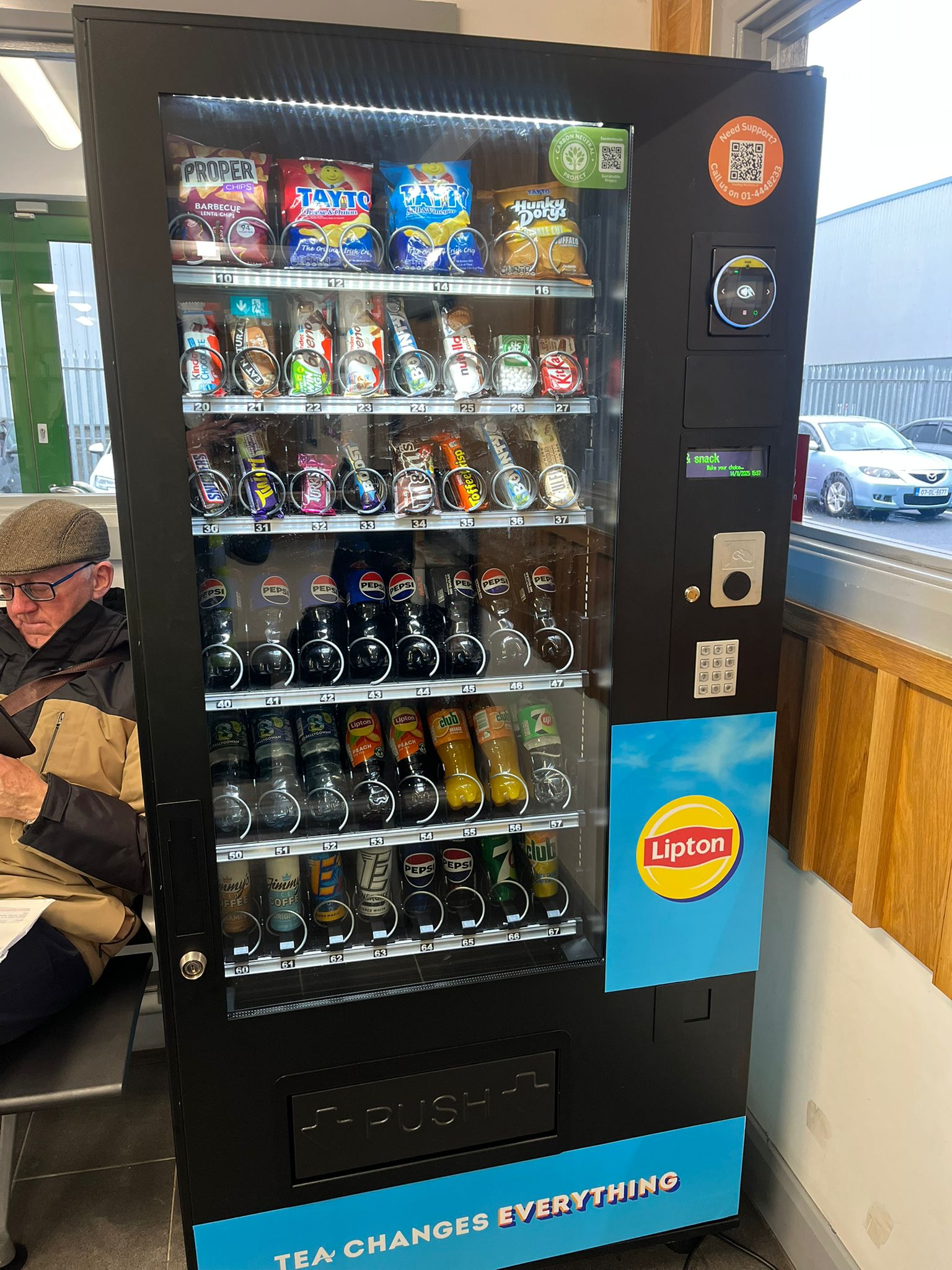
Analyzing Foot Traffic Patterns in Shopping Malls
Observing foot traffic patterns is key to finding the most effective spots. Peak hours vary depending on the day and season. Malls often have heavy traffic near escalators, main walkways, and entrances. By tracking where people spend the most time, you can place machines where they are most likely to engage. Foot traffic analysis helps ensure your machine receives consistent attention, which drives better results.
Identifying High-Demand Areas in Shopping Malls
High-demand areas often include food courts, entertainment zones, and children’s play areas. Customers in these areas are more likely to make impulse purchases. Similarly, locations near restrooms or seating areas provide convenience for those who need a quick snack or drink. Placing machines in spots that naturally attract shoppers increases engagement and revenue opportunities. Understanding which zones generate the most interest is crucial for strategic placement.
Considering Customer Behavior and Needs
Customer behavior should influence machine placement. Shoppers in shopping malls often look for convenience, such as a quick snack, drink, or personal item. Analyzing what shoppers need at specific times helps determine the right products and placement. For instance, near a clothing store, a machine offering accessories or small essentials can attract attention. By aligning products with customer behavior, you enhance the likelihood of repeat use.
Using Technology to Determine Optimal Locations
Technology can support location selection by providing data on shopper movement and engagement. Heat maps and visitor tracking systems reveal where people spend the most time. Additionally, feedback from previous machine placements can inform better decisions. Machines from providers like vending-machines.ie are designed to be flexible, making it easier to test and adjust placement strategies efficiently. Using data-driven methods reduces risk and improves profitability.
Testing and Adjusting Locations for Maximum Impact
After initial placement, monitoring sales performance is vital. Machines in shopping malls may require adjustments based on real-world results. Tracking which products sell most in different areas helps refine both location and inventory. Flexibility allows operators to relocate machines if a spot underperforms. Continuous observation ensures you maximize revenue while keeping machines convenient for shoppers.
Conclusion: Strategic Placement in Shopping Malls
Determining the best locations in shopping malls involves understanding foot traffic, high-demand areas, and customer behavior. Combining observation with data-driven tools ensures machines are placed where they attract attention and generate sales. Testing and adjusting locations over time helps optimize performance. By focusing on strategic placement, vending operators can increase revenue and enhance shopper convenience. If you want guidance on choosing the best locations in shopping malls or need help getting started, contact us for more information.


