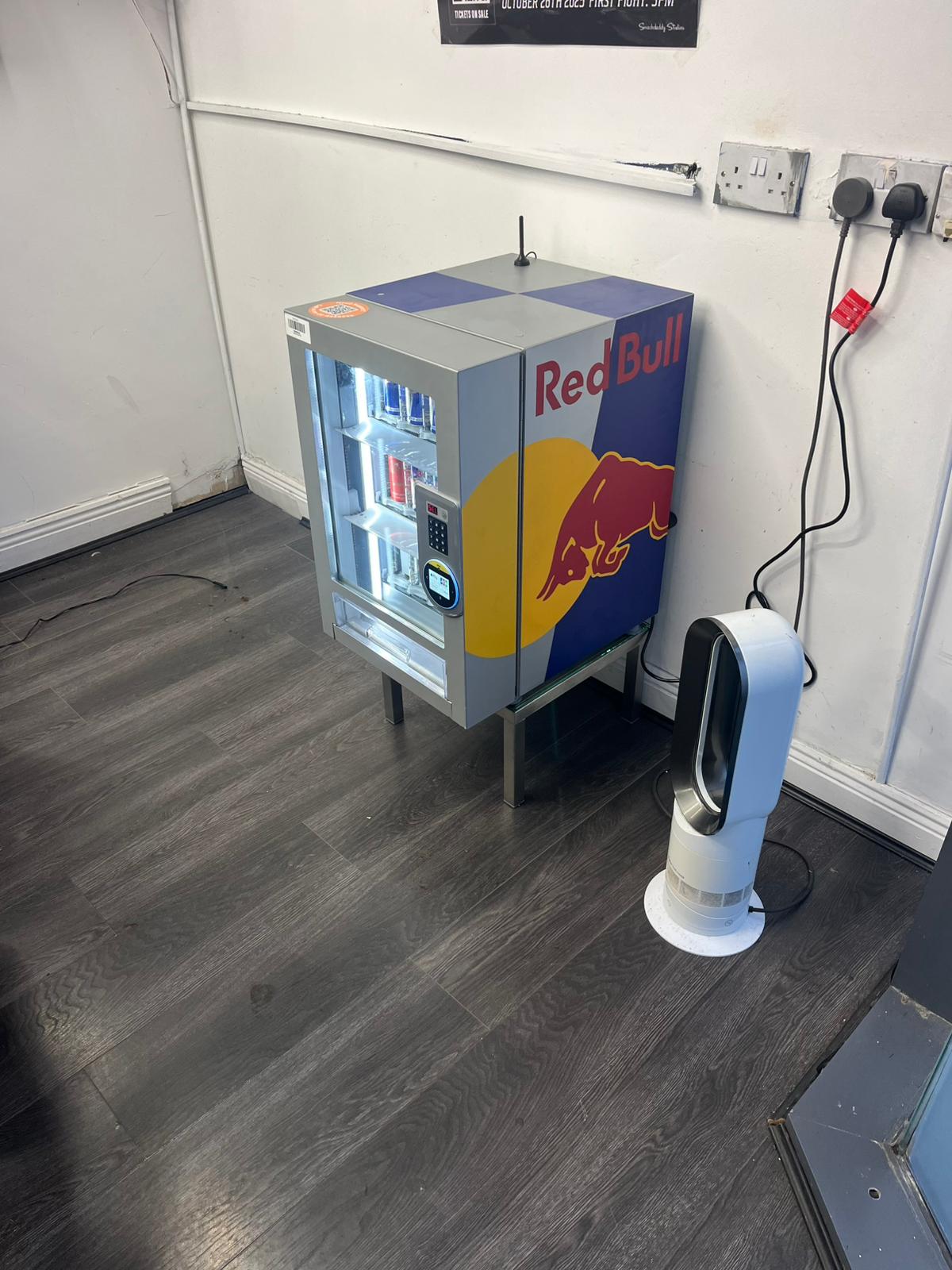
How Do I Ensure Accessibility for Elderly or Disabled Customers?
Providing vending services that are inclusive and easy to use for all customers is essential. Operators must consider the needs of elderly and disabled users to ensure their experience is safe, convenient, and stress-free. By taking thoughtful steps, businesses can expand their customer base and demonstrate social responsibility while improving overall satisfaction. This includes evaluating machine placement, interface design, payment options, and physical accessibility features. In addition, gathering feedback from users and regularly updating machines based on their needs reinforces inclusivity and ensures that every customer can interact comfortably. Inclusive vending services also enhance the reputation of businesses and encourage repeat usage by all demographics.

Adjusting Machine Height and Reach to Ensure Accessibility
One key factor is the physical design of the vending machine. Placing products and controls within comfortable reach helps elderly and disabled customers navigate easily. Buttons, payment slots, and dispensing areas should be at a height accessible to wheelchair users and those with limited mobility. Proper placement ensures accessibility and reduces the risk of accidents or frustration.
Clear Instructions and User-Friendly Design
Operators can further ensure accessibility by providing clear, simple instructions. Large fonts, high-contrast colors, and intuitive layouts help users quickly understand how to operate the machine. Touch screens and button labels should be readable and easy to use. Offering audio guidance or braille labels also improves usability for customers with visual impairments. Additionally, including step-by-step illustrations, multilingual instructions, and simple feedback signals can help users of varying abilities navigate the machine effectively. Regularly testing the interface with actual users ensures that instructions remain clear and functional, creating a more inclusive and user-friendly vending experience for everyone.
Payment Options to Ensure Accessibility
Payment methods play a significant role in accessibility. Accepting cash, cards, and mobile payment solutions allows customers to choose the most convenient option. Contactless and smartphone payments reduce physical effort, which benefits elderly or disabled users. Ensuring accessibility in payment systems increases independence and creates a smoother vending experience.
Location and Space Considerations
Placement is crucial to ensure accessibility. Machines should be installed in areas that allow enough space for wheelchairs or walkers to maneuver comfortably. Avoiding crowded or narrow spots helps prevent accidents. Additionally, good lighting and visible signage make it easier for users to locate and use the machine confidently. It is also important to consider floor surfaces, ramps, and nearby obstacles that might impede movement. Regularly reviewing the surroundings ensures that pathways remain clear and safe. Thoughtful placement paired with clear directions and accessible entry points maximizes convenience and allows elderly or disabled customers to interact with vending machines independently and confidently.
Technology Enhancements for Better Accessibility
Modern vending technology can improve accessibility for all customers. Remote monitoring, inventory alerts, and mobile interfaces allow users to interact with machines more efficiently. Operators can also use data to adjust layouts and stock products based on accessibility needs. For advanced vending solutions that support inclusive design, visit vending-machines.ie. These technologies reduce barriers and enhance the customer experience.
Training and Ongoing Support
Staff training is another essential factor. Operators and maintenance teams should understand how to assist elderly or disabled users without compromising independence. Regular checks and adjustments ensure that accessibility features remain effective. Combining technology, thoughtful design, and proper training creates a vending environment that truly serves everyone. Additionally, staff should be familiar with emergency procedures, troubleshooting accessibility devices, and responding to feedback from users. Encouraging open communication with customers helps identify areas for improvement, while ongoing education ensures that teams stay up-to-date with the latest accessibility standards and innovations.
Final Thoughts
To provide a welcoming experience, operators must actively ensure accessibility for elderly and disabled customers. By focusing on machine design, clear instructions, flexible payment options, optimal placement, and technology enhancements, vending services can become inclusive and efficient. If you want to implement these strategies in your own operation, contact us for guidance and support.