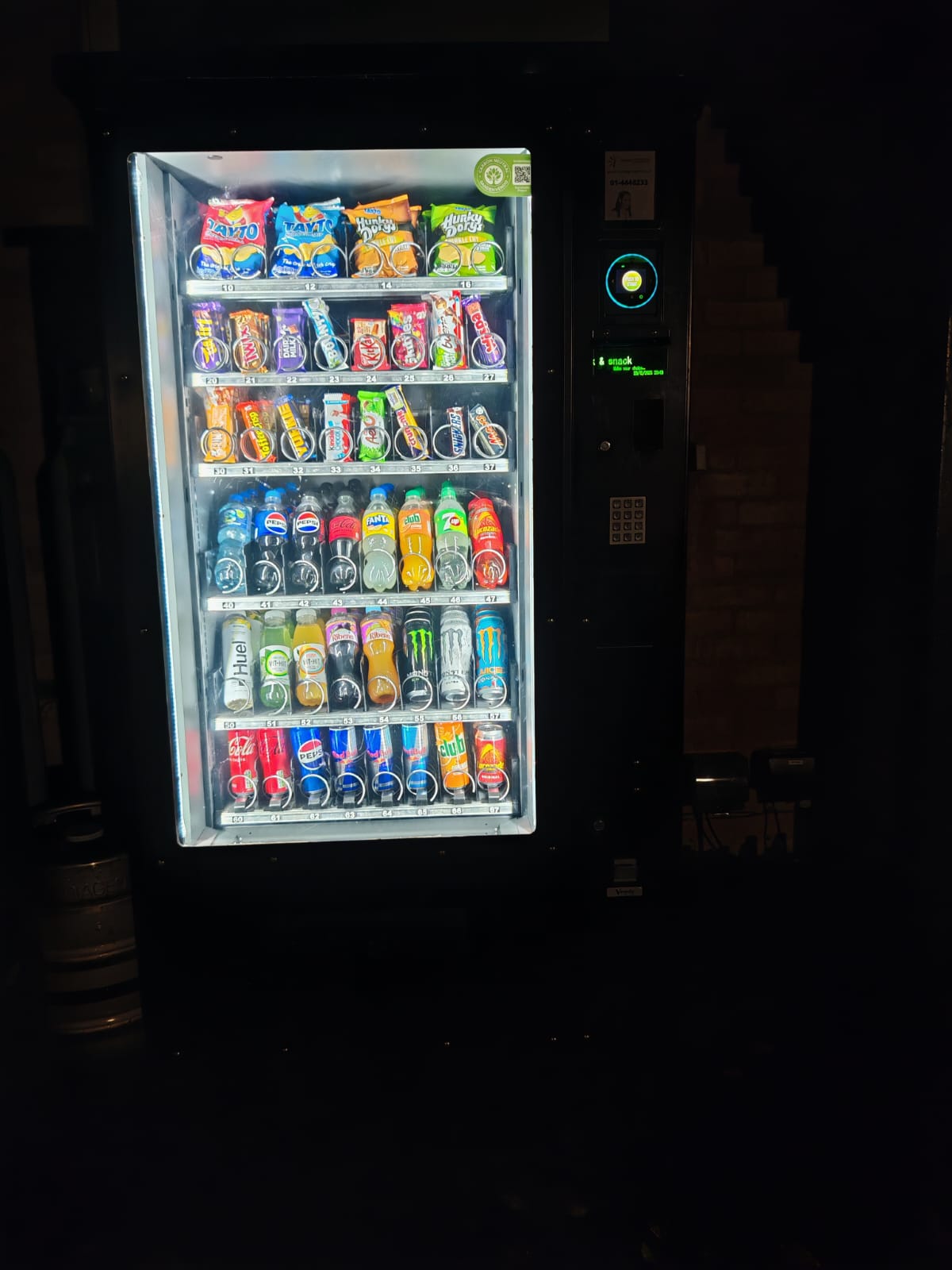
How Do I Ensure Vending Machine Accessibility for Visually Impaired Customers?
Vending machines offer convenience for many, but they can create challenges for visually impaired customers. Ensuring accessibility is not only a legal requirement in many areas but also an opportunity to enhance the experience for all users. Thoughtful design features such as tactile buttons, braille labeling, and audio instructions can make a significant difference. Technology like voice-guided interfaces and smartphone integration further supports independent use. By combining these design and technological solutions, vending machines can become inclusive for everyone, allowing visually impaired customers to access products easily while promoting equality and a positive experience for all users.
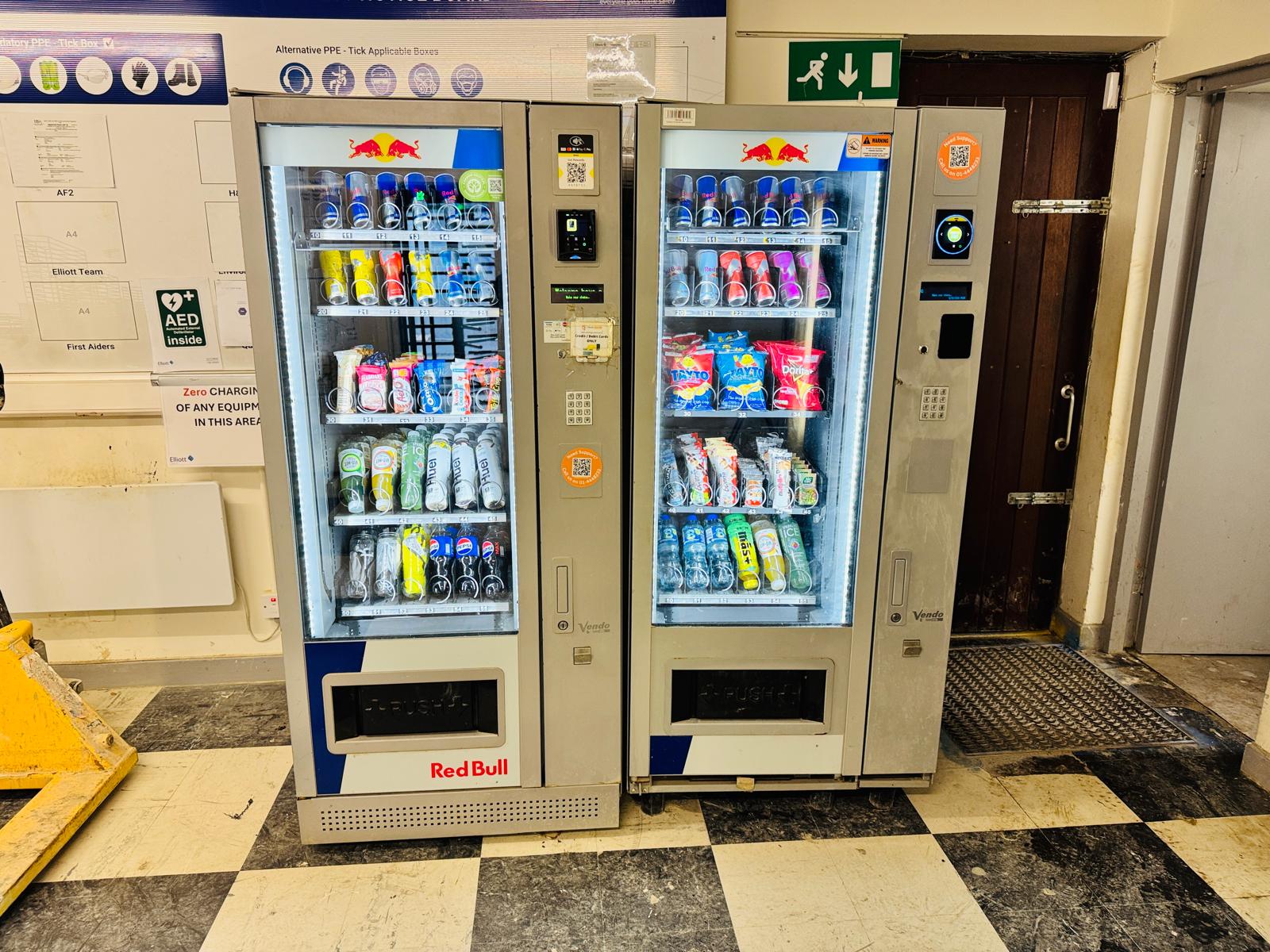
Understanding the Needs of Impaired Customers
Visually impaired customers often rely on alternative cues such as tactile buttons, audible instructions, or braille labels. Understanding these needs is the first step in making vending machines more accessible. Accessibility goes beyond compliance and focuses on creating a seamless and independent experience. When machines cater to impaired customers, they encourage repeat usage and foster a sense of inclusivity.
Designing User-Friendly Interfaces for Impaired Customers
A key element of accessibility is the user interface. Large, high-contrast buttons and clear braille labeling make it easier for visually impaired customers to identify selections. Audio prompts can guide users through the purchase process, including payment and product selection. By combining tactile, visual, and audio cues, vending machines can provide a fully navigable experience for all customers.
Choosing the Right Location for Accessibility
Placement of vending machines significantly affects usability for impaired customers. Machines should be installed at reachable heights and in well-lit, easily navigable areas. Locations near entrances, wide corridors, or public lobbies help ensure that visually impaired customers can approach and use the machine safely. Thoughtful placement demonstrates consideration and improves overall accessibility.
Leveraging Technology to Assist Impaired Customers
Modern vending machines offer technological solutions to support visually impaired customers. Touchscreen interfaces with voice guidance, smartphone apps that sync with the machine, and contactless payment systems all enhance accessibility. Partnering with companies like vending-machines.ie provides insights and tools for implementing these features. Technology makes it easier to serve impaired customers while maintaining efficiency and security.
Training Staff and Providing Support
Even with accessible technology, support from staff is valuable. Employees should be trained to assist impaired customers politely and effectively. Clear instructions or QR codes linking to audio guides can also help users navigate the vending experience independently. Combining human support with technological aids ensures all customers feel confident and comfortable using the machines.
Benefits of Accessibility for Your Business
Ensuring vending machine accessibility for impaired customers benefits both the users and the business. It increases customer satisfaction, encourages repeat use, and enhances your reputation as an inclusive and socially responsible operator. Moreover, accessible machines comply with regulations and reduce the risk of complaints or legal challenges. Prioritizing accessibility is both ethical and strategic.
Final Thoughts
Creating vending machines that cater to visually impaired customers requires careful planning, technology, and ongoing evaluation. By focusing on user-friendly design, strategic placement, and support systems, you can make vending machines inclusive for everyone. If you want to learn more about making your vending machines accessible, contact us. Our team can guide you through best practices and help you create a more inclusive experience for all customers.