
How Do I Handle Refunds for Cashless Purchases Efficiently?
Cashless payments have made vending machine transactions faster and more convenient. However, they also require careful handling when a refund is necessary. Processing refunds efficiently ensures customer satisfaction and maintains trust in your service. A clear refund process reduces confusion, saves time, and prevents errors. By understanding the steps involved, operators can handle purchases efficiently while minimizing disruption to operations. Additionally, having a structured approach allows you to quickly resolve issues, improve customer confidence, and create a professional image that encourages repeat use and loyalty over time.
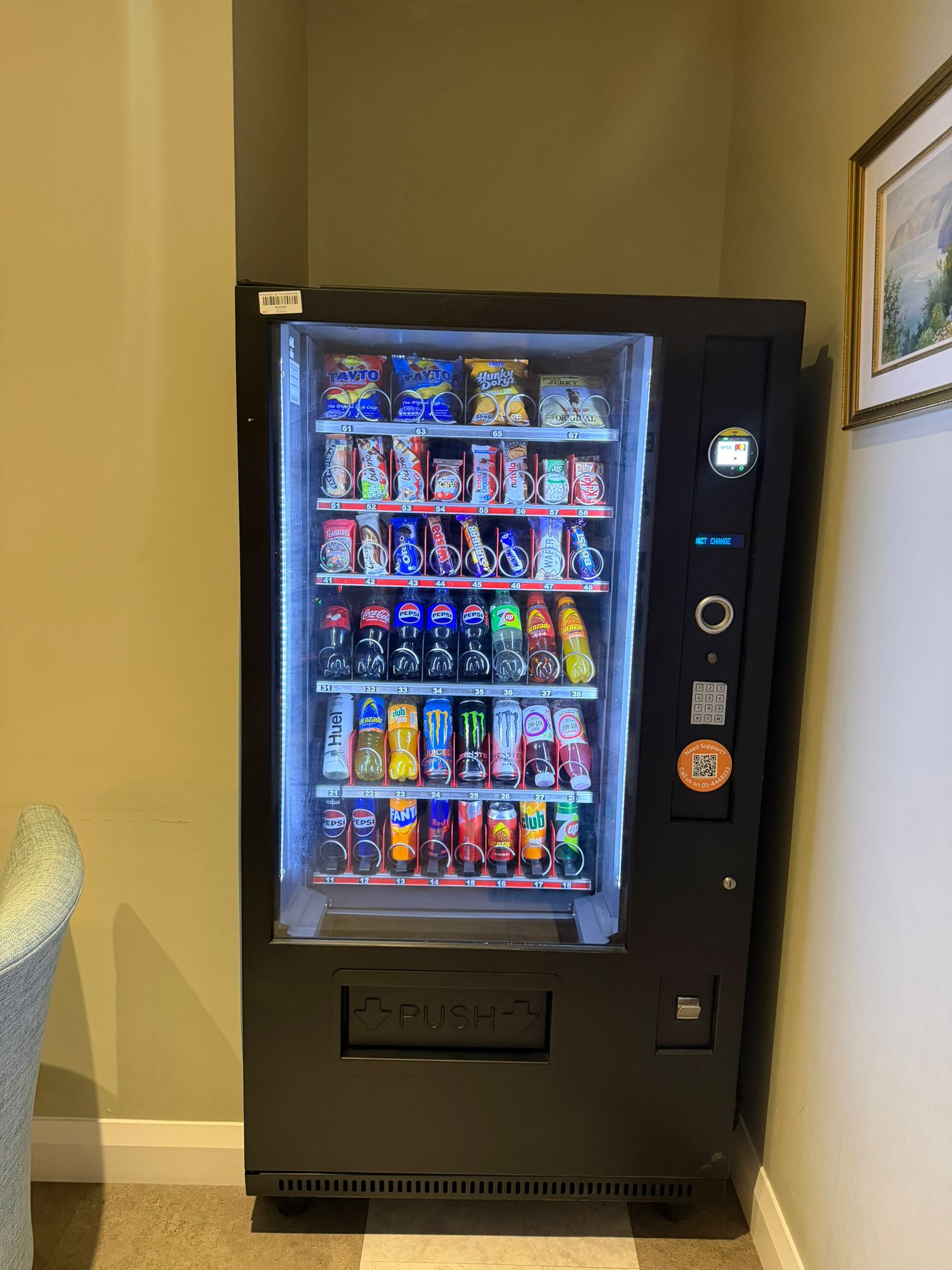
Setting Up Clear Refund Policies
The first step in handling purchases efficiently is to establish clear refund policies. Customers should know under what conditions refunds are issued and the expected time frame. Displaying policies on the machine or through digital interfaces helps manage expectations. Consistent policies reduce disputes and create a smoother process for both operators and users. Furthermore, having written procedures ensures your team handles each request in the same way, saving time and avoiding mistakes.
Using Technology to Process Refunds
Modern vending machines and payment systems make it easier to manage cashless transactions. Many systems allow instant refunds directly to the customer’s card or mobile wallet. This technology reduces delays and ensures purchases are handled efficiently. Some machines also provide transaction logs, making it easy to verify purchases before issuing refunds. For additional guidance on using these features effectively, visit vending-machines.ie. Leveraging technology ensures transparency and builds customer confidence in your vending operations.
Training Staff for Efficient Refund Handling
Staff training is critical to processing purchases efficiently. Employees should know how to operate the refund system and verify transaction details quickly. Training should include handling common issues, like double charges or failed product deliveries. By equipping staff with clear instructions and troubleshooting tips, you reduce errors and improve response time. Well-trained staff also provide better customer service, which can enhance loyalty and repeat usage.
Documenting and Tracking Refunds
Keeping records of refunds is essential for accountability and financial tracking. Document each transaction with date, time, reason, and amount refunded. This record-keeping helps monitor trends, identify recurring issues, and improve your processes. Accurate documentation also ensures transparency during audits or internal reviews. By tracking refunds systematically, operators can continue to handle purchases efficiently while maintaining proper financial control. Additionally, detailed records make it easier to resolve customer disputes quickly, provide insights for staff training, and help refine refund policies to prevent future errors and enhance overall operational efficiency.
Communication with Customers
Effective communication enhances the refund process. Notify customers promptly when a refund is issued and provide confirmation through email or text if possible. Clear communication reduces confusion and reassures customers that purchases are handled efficiently. Additionally, actively listening to customer concerns can help identify areas for improvement in the refund process and prevent future issues.
Conclusion
Handling cashless refunds efficiently is a combination of clear policies, staff training, technology use, and effective communication. By implementing these strategies, operators can provide smooth service, reduce errors, and maintain customer trust. If you want to learn more about optimizing vending operations and managing refunds effectively, contact us for guidance and solutions tailored to your business.


