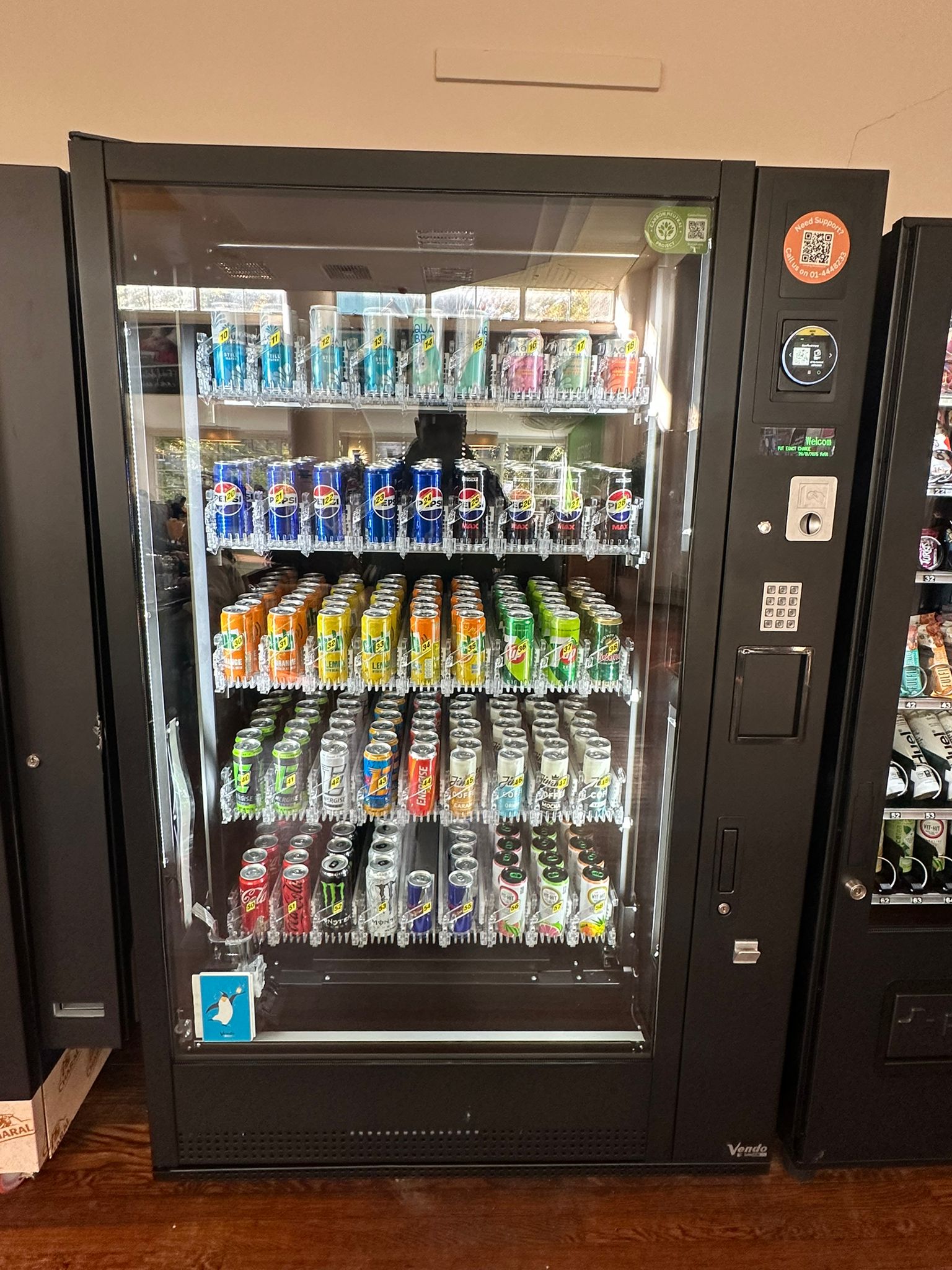
How Do I Measure ROI for Each Product Category in a Machine?
Understanding the return on investment, or ROI, for each product category in a vending machine is essential for maximizing profits. By evaluating performance at this level, operators can make informed decisions about inventory, pricing, and promotions. Measuring ROI per product category allows businesses to identify which items drive the most revenue and which may require adjustments to boost profitability. It also enables operators to allocate resources more efficiently, tailor product offerings to customer preferences, and plan marketing strategies that increase sales while minimizing costs.

Why Tracking ROI by Product Category Matters
Tracking ROI by product category provides clear insights into machine performance. Instead of looking at overall revenue alone, operators can see which products generate the most profit. This approach helps identify trends, adjust stock, and make better purchasing decisions. Additionally, understanding category-level ROI can improve customer satisfaction by ensuring popular items are always available.
How to Collect Relevant Data
The first step in measuring ROI is collecting accurate sales and cost data for each product category. Track how many units sell, the cost per unit, and the selling price. Modern machines with digital tracking and cloud-based reporting make this process easier. Regular data collection allows operators to analyze performance trends over time and make timely adjustments.
Calculating ROI for Each Product Category
To calculate ROI for a product category, subtract the total cost of goods sold from total revenue for that category, then divide by the total cost. For example, if snack items generate $500 in sales and cost $300 to stock, the ROI is ($500 minus $300) divided by $300, which equals 0.67 or 67 percent. This calculation highlights which categories are most profitable and which may need re-evaluation.
Using Insights to Improve Performance
Once ROI is measured, operators can make strategic changes. High-performing product categories may benefit from increased inventory or targeted promotions. Conversely, low-performing categories may require price adjustments, replacement with new items, or special offers to boost sales. Consistent monitoring ensures machines remain optimized for maximum profitability and customer satisfaction.
Leveraging Technology for Better Analysis
Modern vending technology simplifies ROI tracking. Machines with smart sensors and inventory tracking can provide real-time data on product category performance. Additionally, cloud-based dashboards allow operators to analyze trends, adjust stock, and plan promotions efficiently. Platforms like vending-machines.ie offer practical tools and guidance for monitoring ROI across all product categories in a machine, making it easier to manage multiple locations and product lines.
Challenges and Considerations
While measuring ROI is essential, operators must account for additional costs such as machine maintenance, electricity, and downtime. These factors affect overall profitability and should be included when evaluating product categories. Moreover, seasonal variations and location-specific preferences can impact sales patterns, so flexibility and ongoing analysis are key.
Final Thoughts
Measuring ROI for each product category in a vending machine provides actionable insights that drive profitability. By tracking sales, calculating ROI, and leveraging technology, operators can make data-driven decisions to optimize inventory and maximize returns. This approach also helps identify trends, reduce waste, and improve customer satisfaction. For businesses ready to take control of product performance and revenue, contact us to learn more about effective ROI tracking and practical solutions for vending machines.