
How Do I Optimize Refill Schedules for Vending Machines for Maximum Efficiency?
Optimizing refill schedules is crucial for vending machine operators who want to maximize both profitability and convenience. With careful planning, you can minimize unnecessary trips, prevent stockouts, and ensure machines run at maximum efficiency. This process involves analyzing sales patterns, understanding which products are most popular, and considering the locations of each machine. By leveraging smart tools and real-time inventory tracking, operators can streamline refills, reduce labor and fuel costs, and respond quickly to changes in demand. Properly optimized schedules not only save resources but also enhance customer satisfaction and overall machine performance.
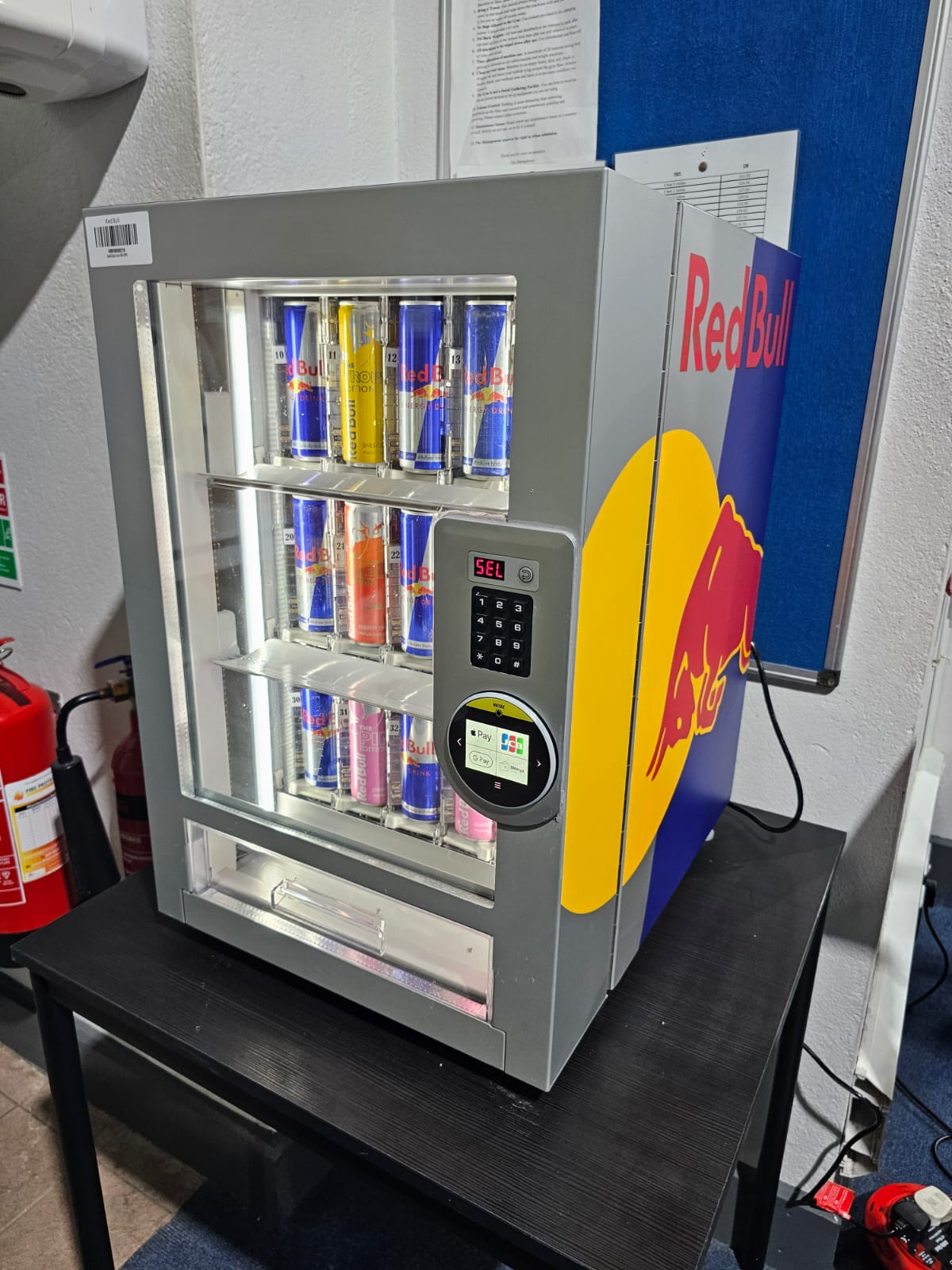
Understanding Maximum Efficiency in Vending Machines
Maximum efficiency in vending machines means minimizing waste, saving time, and ensuring machines are always stocked when needed. Efficient refill schedules reduce fuel costs and labor hours while increasing sales potential. Moreover, keeping machines optimally stocked enhances customer satisfaction, as popular items are consistently available.
Analyzing Sales Patterns to Improve Maximum Efficiency
One of the first steps to achieving maximum efficiency is analyzing sales data. Track which products sell quickly and which items have slower turnover. Using this information, you can schedule refills more strategically. For instance, high-demand items may need more frequent attention, while slower-moving products can be refilled less often. Additionally, seasonal trends should be considered, as demand can fluctuate throughout the year.
Using Technology to Optimize Refill Schedules
Smart vending machines make it easier to plan refills for maximum efficiency. Sensors and software monitor inventory in real time, alerting operators when stock levels are low. This reduces the guesswork in scheduling and ensures machines are neither overstocked nor understocked. By analyzing these insights, operators can create dynamic refill plans that adapt to actual usage rather than fixed schedules.
Route Planning for Maximum Efficiency
Optimizing delivery routes is another key factor in achieving maximum efficiency. Combining refill schedules with the most efficient travel routes reduces fuel costs and labor time. Consider clustering machines in nearby locations to refill them in a single trip. Moreover, software tools can provide route optimization suggestions, helping operators save both time and money while keeping all machines fully stocked.
Preventing Stockouts and Reducing Waste
Efficient refill schedules also prevent stockouts, which can negatively impact sales and customer satisfaction. By tracking inventory levels and adjusting refill frequency, operators can maintain consistent availability of high-demand items. Simultaneously, careful planning avoids overstocking, which can lead to product spoilage and increased waste. Balancing these two factors is essential for maximum efficiency.
Monitoring Performance and Adjusting Schedules
Regular monitoring is crucial for maintaining maximum efficiency. Analyze refill data and sales trends to refine schedules over time. Adjusting refill frequency based on real-world performance ensures machines operate smoothly and resources are used wisely. Operators working with companies like vending-machines.ie often combine monitoring with automation tools to create a highly efficient system.
Conclusion
Optimizing refill schedules is more than just a logistical task. It directly affects profitability, customer satisfaction, and operational sustainability. By understanding sales trends, using smart technology, planning routes effectively, and monitoring performance, vending machine operators can achieve maximum efficiency consistently. For personalized advice or help in creating the most effective refill strategy, contact us today to learn more.


