
Shopping with a Colleague at a Micro Market: Keep Each Basket Clear
Two colleagues may visit a micro market together while intending to pay separately. The practical challenge is keeping each person’s items clear at the checkout, especially when similar snacks or drinks are placed together. Follow the instructions for the actual checkout at your site and finish one purchase before starting the next. Do not assume that a system can automatically distinguish ownership simply because two people are standing beside it.
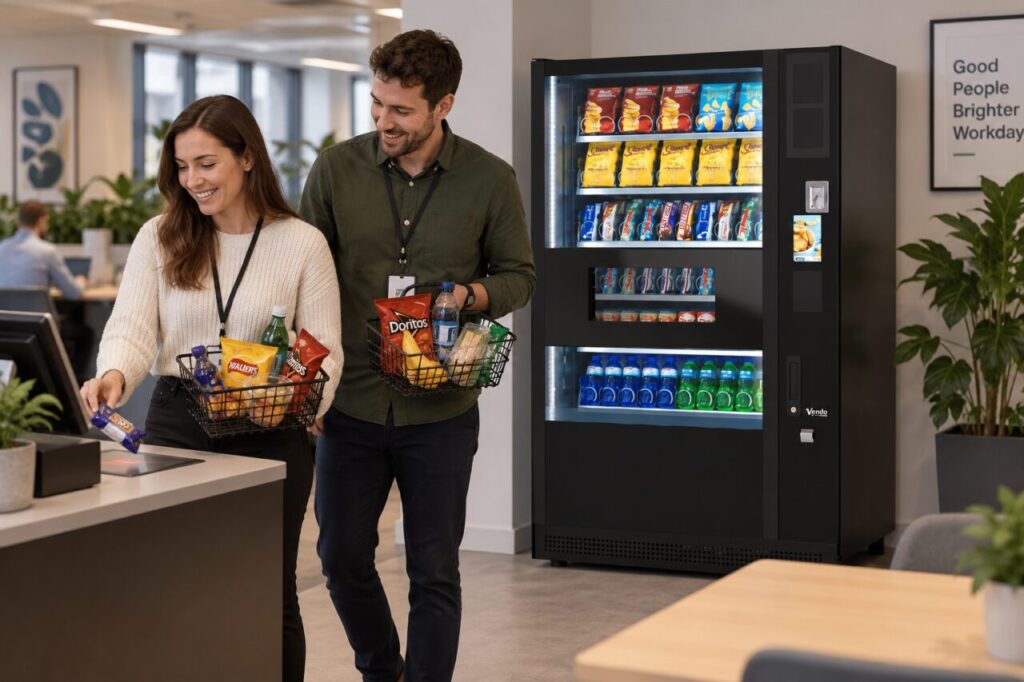
Decide whether purchases are separate
Before scanning or otherwise recording products, agree who is buying which items. If one person intends to pay for both, make that clear between yourselves and follow the site’s normal checkout process. If the purchases are separate, keep the items physically distinguishable. A little organisation avoids the awkward moment when neither person knows whether a drink has already been included in the other basket.
Use the checkout area as intended without blocking another customer’s access. Do not place unpaid goods into a colleague’s bag or mix them with items already purchased. The purpose is not to make an ordinary break complicated; it is to keep a clear connection between the products selected and the purchase being completed. That connection becomes particularly useful if something needs to be corrected before payment.
Check the items shown for your purchase
Where the checkout displays a basket or item list, review it according to the operating instructions. Check product descriptions and quantities, especially when both colleagues have chosen similar packs. Do not assume one scan represents several identical items unless the system explicitly supports and confirms that action. The actual interface and procedure vary, so use the guidance provided at the site rather than a method remembered from somewhere else.
If an item is missing, duplicated or unclear, pause and use the stated correction or help process. Avoid trying random controls or starting another transaction while the first remains unresolved. A host can help customers find the relevant instructions, but should not invent a workaround outside their authorised role. The provider should explain how basket corrections are handled on the particular checkout installed.
Complete payment before changing shopper
Follow the payment prompts and check the system’s stated completion indication before the next person begins. Do not treat a sound, a card movement or an assumption by your colleague as sufficient evidence if the display still asks for an action. If the outcome is unclear, use the approved support route. Repeating payment without understanding the current state can make the subsequent enquiry harder to describe.
Keep any available receipt or reference if you need clarification. Explain which person was making the purchase, the approximate time and the items involved, while sharing only the information requested through the authorised channel. A customer-service enquiry should not require a colleague’s private banking credentials. Distinguish an item-list question from an uncertain payment result so the provider can investigate the right issue.
Give groups a simple introduction
For site hosts, explain the normal flow to new users without claiming capabilities the checkout has not been confirmed to offer. A short instruction to keep separate purchases separate may be more useful than a long list of hypothetical mistakes. Check whether the position of baskets, bags or collection space makes ownership confusing during busy breaks, then discuss any proposed adjustment with the responsible provider and facilities team.
Our micro-market overview explains the wider distinction between this format and traditional vending. For a particular site, the agreed equipment and service determine the checkout process. Whether colleagues shop alone or together, the practical aim is the same: each selected item belongs to a clear purchase, the customer can review what they are paying for, and uncertainty has an obvious route to help.
Contact our team to discuss suitable self-service refreshment options for your premises.
Related guidance: Micro-Market Receipts: Report an Item Mismatch with Useful Details.