
Office Vending During a Charity Snack Sale: Interpret the One-Day Change in Demand
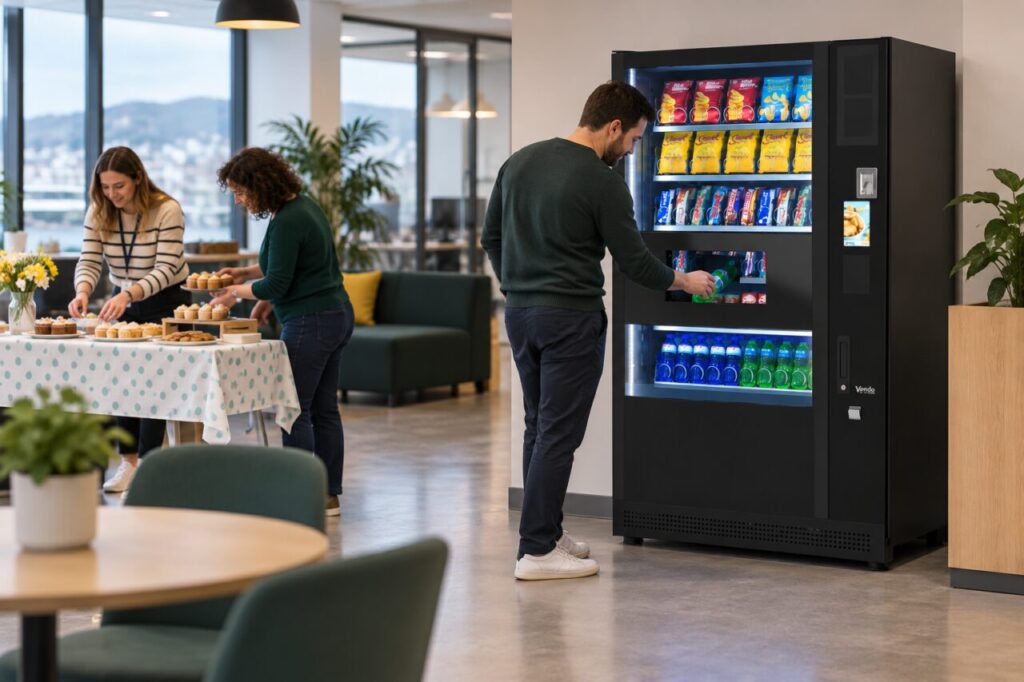
A charity snack sale in the office can change vending purchases for a day without signalling a lasting change in demand. Staff may buy from the fundraiser, visitors may attend, and drinks may sell differently from snacks. Keep the event in the operating record before judging the machine’s performance. The useful question is what the event changed temporarily and what, if anything, should influence the normal vending offer afterwards.
Tell the operator about the event
Share the date, expected timing and the broad type of refreshments being offered. You do not need to provide donor details or individual purchase information. Explain whether the event replaces a normal break activity or adds visitors to the building. This gives the operator context when reviewing sales and deciding whether a routine refill needs discussion.
Do not automatically cancel a planned visit because snacks will be sold elsewhere. Drinks, later shifts and people who do not attend may still use vending. Equally, avoid requesting a large increase in stock based only on an optimistic visitor estimate. Discuss the practical effect with the operator and keep any agreed adjustment proportionate to the short event.
Separate categories and periods
Compare snack and drink activity separately if the available reports allow it. A fundraiser selling cakes might reduce purchases of one snack category while leaving bottled drinks useful. Looking only at the day’s total can conceal that difference. Record the hours during which the event operated so that a lunchtime change is not assumed to apply to the entire working day.
The established office vending information is a starting point for reviewing how vending fits alongside other workplace refreshments. The event should complement the site’s activities without making unsupported claims about future demand. A single day’s result is evidence about that occasion, not a reliable forecast for every following week.
Keep the customer journey clear
Place event tables and queues so that they do not obstruct the agreed approach to the machine or service access. Ask the site team to approve the layout. Make it clear which products belong to the fundraiser and which are ordinary vending purchases. Avoid placing event prices or payment instructions where they could be mistaken for machine instructions.
If customers ask whether a vending purchase contributes to the charity, give only the arrangement actually agreed. Do not imply that machine sales fund the event unless the relevant parties have explicitly established that. Separate event payment handling from the normal vending payment route so that later queries can be directed to the right person.
Review the return to normal use
After the event, check whether ordinary purchases return when attendance and other conditions are comparable. Include any leftover event food that remains available, as it may extend the effect beyond the sale itself. Note the end of that period rather than assuming the following morning represents a clean return to the usual refreshment offer.
Use any product feedback thoughtfully. A popular fundraiser item may suggest a preference worth discussing, but it may not fit vending equipment, storage requirements or regular supply. Ask the operator about suitable options instead of promising the same item in the machine. Keep the event as a useful piece of context, then base continuing range and refill decisions on a broader period of normal office use.
Related guidance: Office Canteen Menu Changes: Review Their Effect on Vending Demand.
Planning vending at your site? Contact the team with your location, equipment details and requirements.