Should I Choose Indoor or Outdoor Vending Machines?
Choosing the right location for your automated retail equipment is one of the most critical decisions you will make as an operator. Both indoor setups and outdoor vending installations offer distinct advantages depending on your specific target audience and revenue goals. Consequently, evaluating physical foot traffic, weather exposure, and security risks will help you make a smart investment decision. Placing your equipment in the right environment ensures maximum sales volume while keeping operational costs manageable over time. Ultimately, understanding these key operational differences empowers you to select the best option for your growing business.
Evaluating Foot Traffic and Accessibility for Outdoor Vending
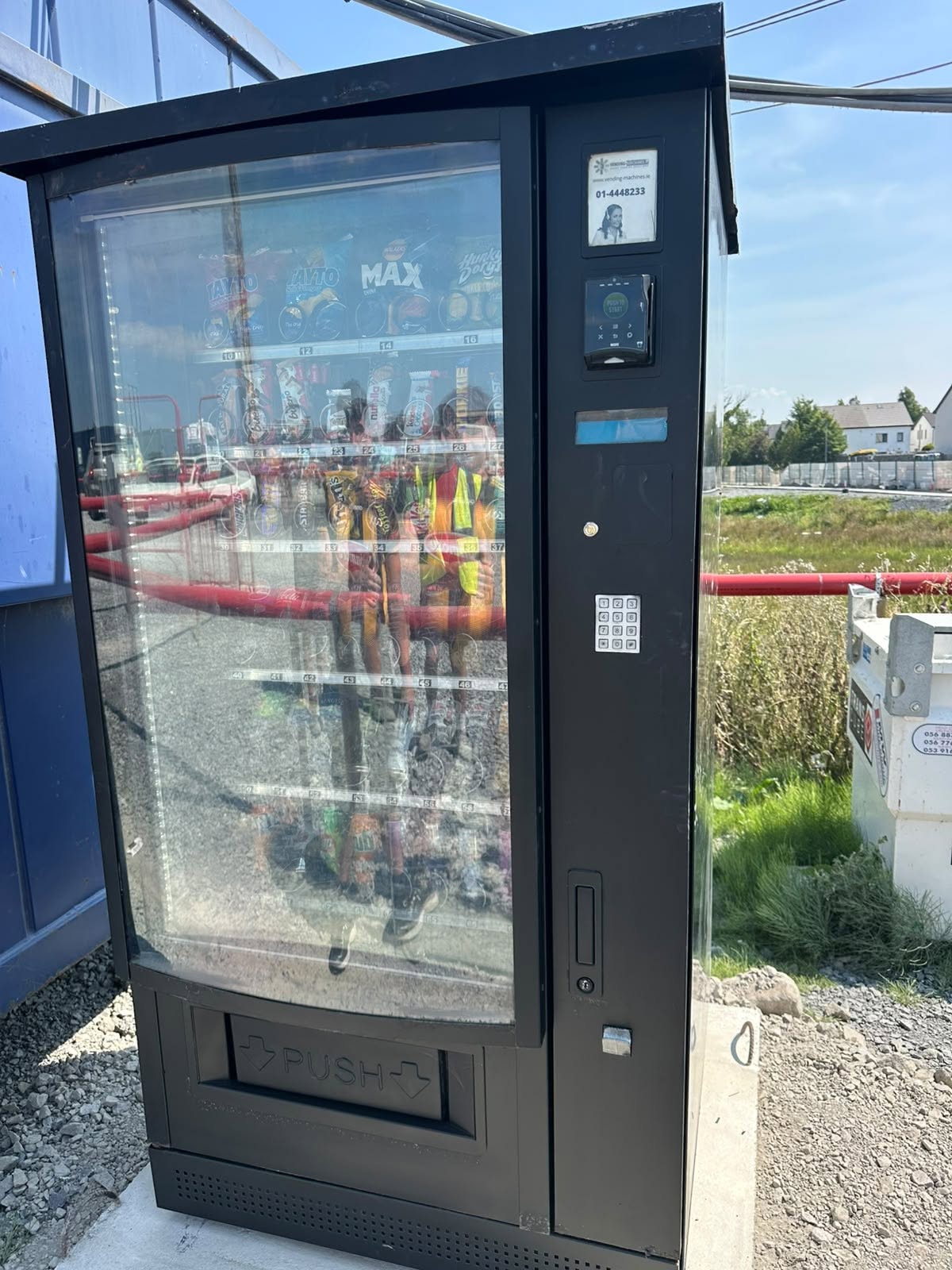
High-visibility placements usually experience continuous foot traffic throughout the day and night. Choosing outdoor vending equipment allows you to capture valuable sales from late-night commuters, local pedestrians, and weekend passersby who cannot access indoor facilities after standard operating hours. Furthermore, placing machines outside public venues, busy transit stops, or popular street corners vastly increases your overall brand exposure to local consumers. As a result, your automated equipment operates seamlessly around the clock without relying on the restrictive business hours of surrounding indoor buildings, helping you maximize overall revenue effortlessly.
Understanding Weather Resistance and Outdoor Vending Care
Operating machinery outside requires specialized weatherproofing features to protect sensitive electronic components from harsh environmental conditions. Standard indoor units cannot withstand rain, extreme temperatures, or direct sunlight without experiencing severe internal damage. Therefore, investing in dedicated outdoor vending models ensures your equipment features rain covers, climate control systems, and heavy-duty insulation. To explore durable equipment built for various environments, visit
Security Considerations for Indoor versus Outdoor Vending
Security represents a primary concern when evaluating potential placement locations for self-service retail equipment. Indoor environments naturally offer greater protection against vandalism, theft, and accidental physical damage because of indoor security cameras and staff supervision. Conversely, successful outdoor vending placements require reinforced steel frames, anti-vandalism locks, and shatterproof glass panels to deter potential criminals. Installing sturdy protective enclosures and bright LED lighting further safeguards your external investment against unexpected damages.
Assessing Operational Costs and Maintenance Requirements
Maintenance routines and utility costs vary significantly between controlled indoor installations and exposed external placements. Because outdoor units contend with fluctuating ambient temperatures throughout the year, their internal cooling systems work much harder, which naturally raises ongoing electricity costs. Additionally, exterior glass panels and protective frames require more frequent cleaning to maintain a pristine, inviting appearance for passing shoppers. However, the significantly higher sales volume generated by continuous round-the-clock outdoor accessibility often offsets these elevated operational costs quite effectively. Investing in modern climate-efficient hardware ensures your exterior setup remains consistently profitable despite changing seasons.
Final Thoughts
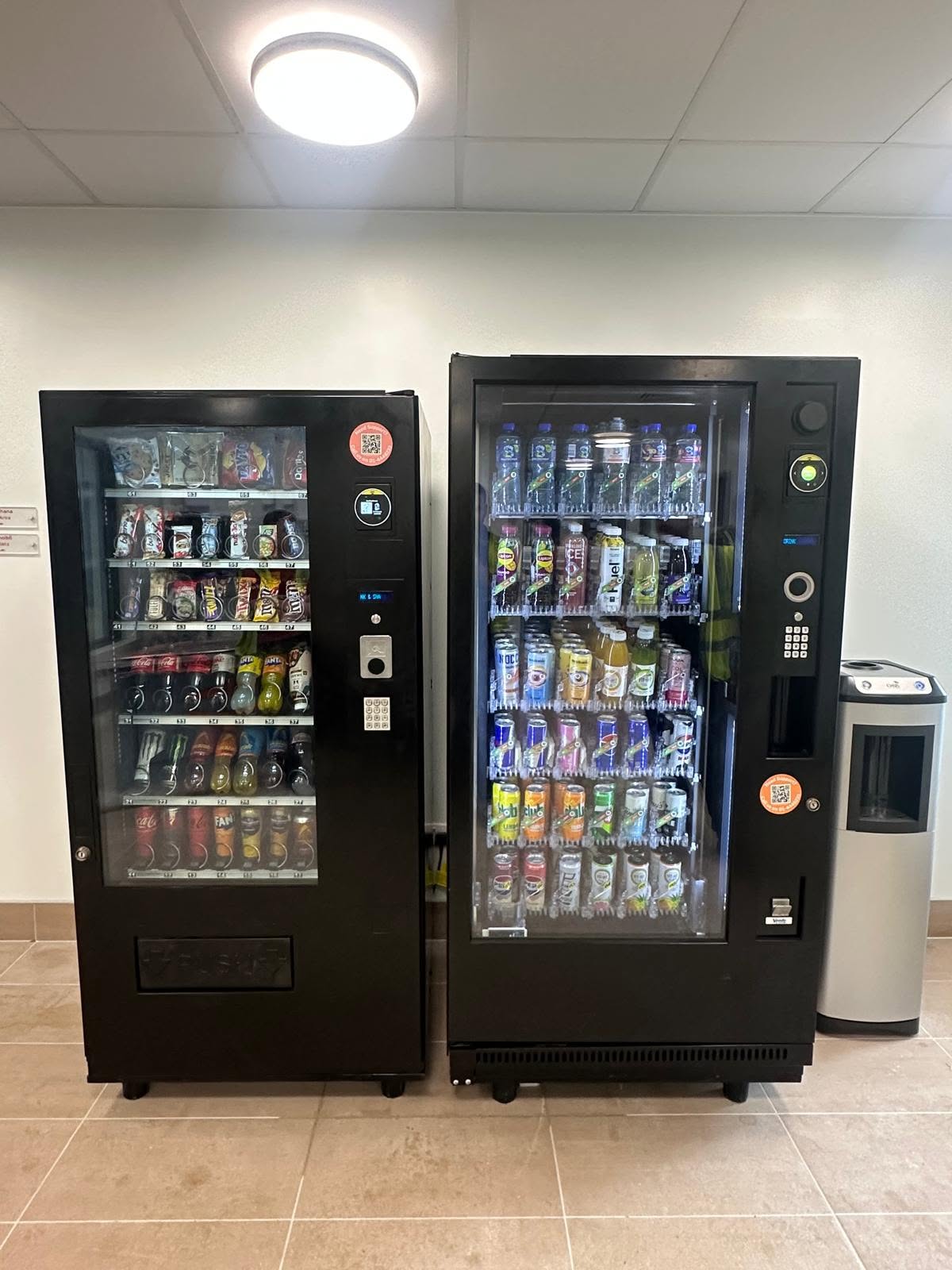
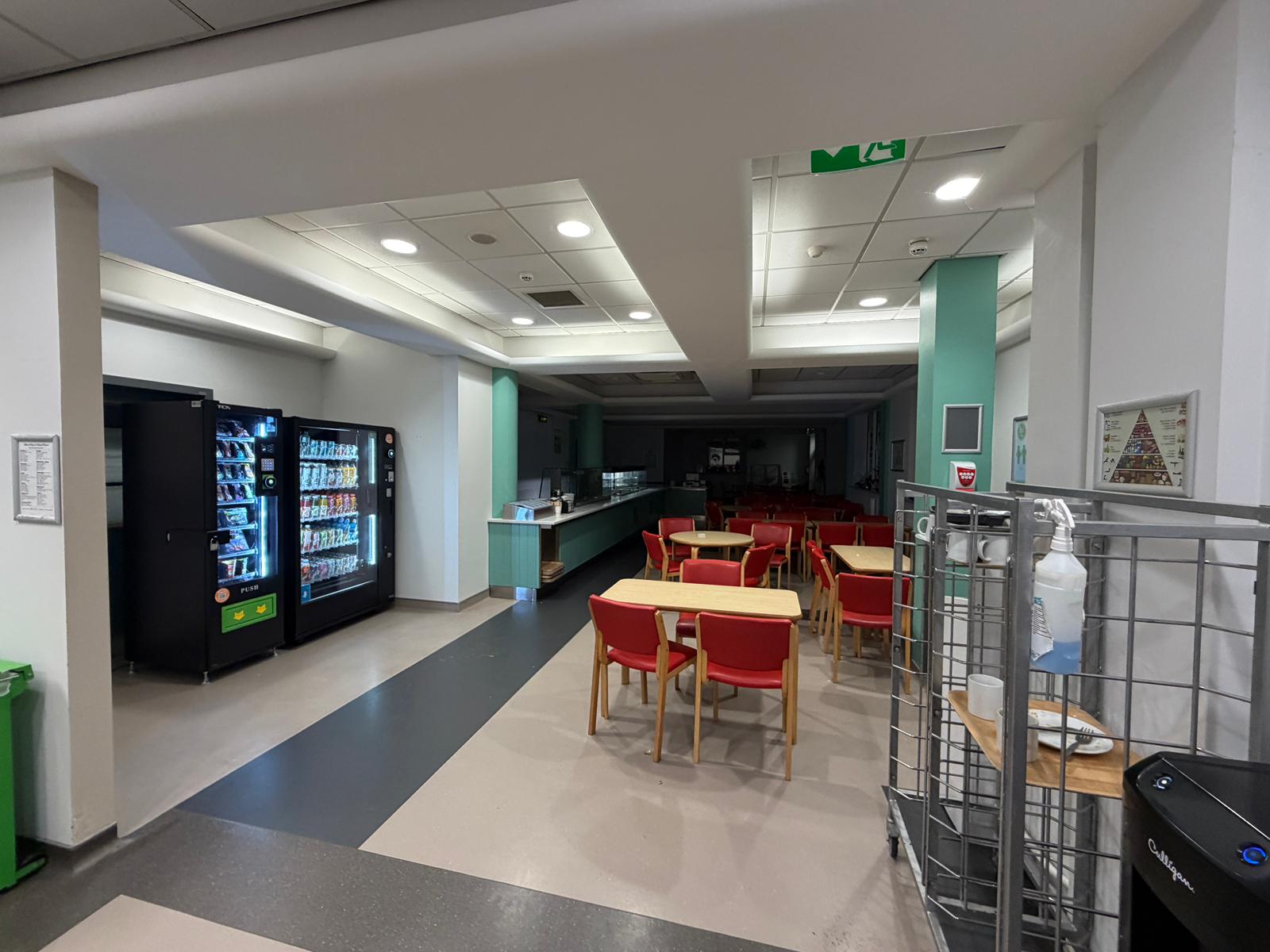
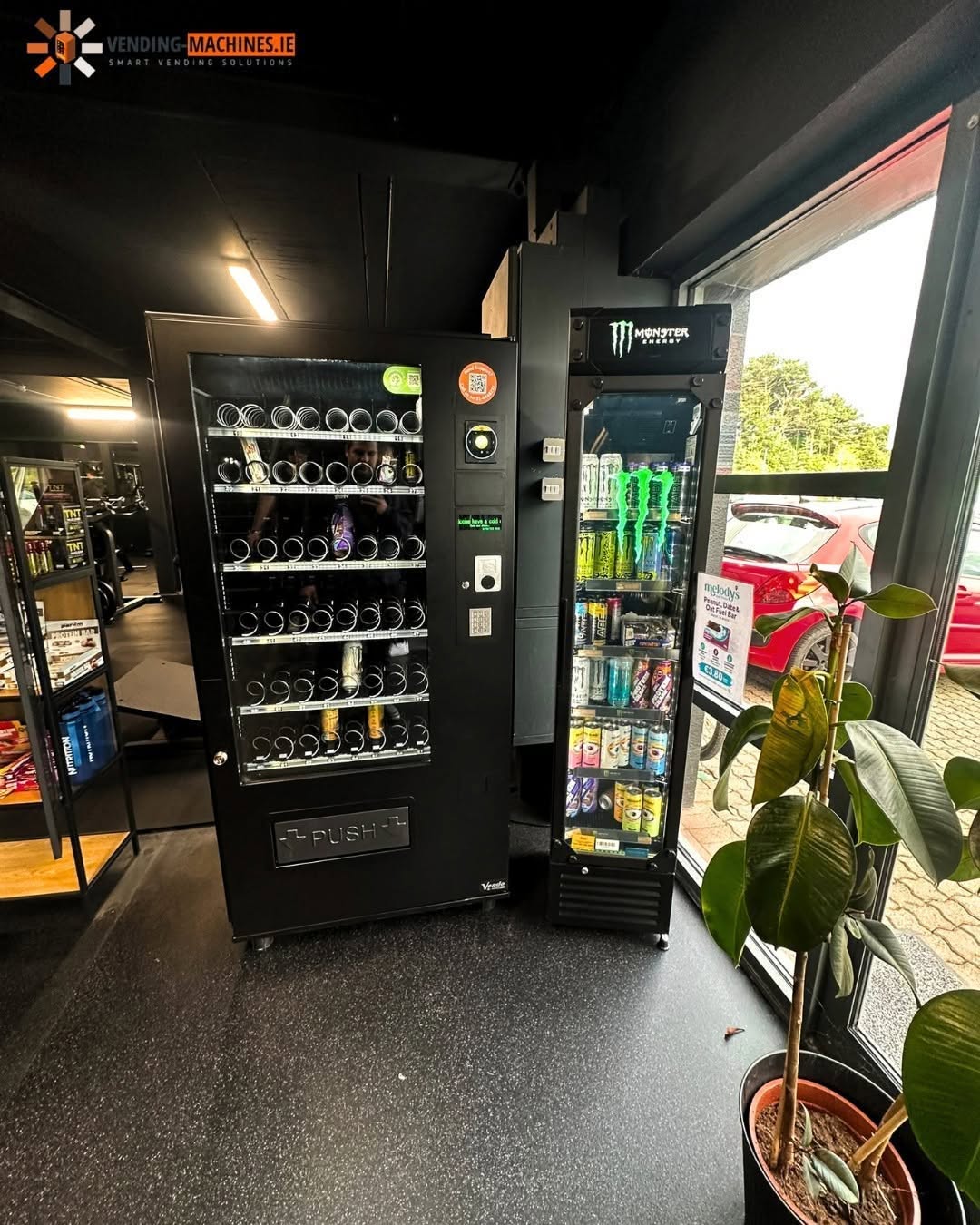
Deciding between indoor and outdoor placement ultimately depends on your available budget, target market, and available security measures. Indoor machines excel in controlled corporate spaces, schools, and gyms where daily foot traffic remains stable and predictable. Meanwhile, outdoor vending offers unmatched visibility and constant accessibility that can dramatically increase your daily profit margins. If you need expert guidance to pick the perfect machine configuration for your specific location, contact us today to start your consultation.