
Should I Choose Smart or Traditional Vending?
Choosing the right vending solution depends on your business goals, budget, and customer expectations. Both smart machines and traditional vending options offer valuable benefits. Therefore, understanding their differences helps you make a better decision. Some businesses prefer advanced technology, while others value simplicity and reliability. Moreover, the right choice often depends on your location, customer preferences, and daily operating needs. Smart machines provide advanced features, while traditional options focus on dependable performance and ease of use. As a result, evaluating your business requirements before investing is essential. By comparing the strengths of each option, you can make a confident decision, improve operational efficiency, and support long term business success with a vending solution that fits your needs.
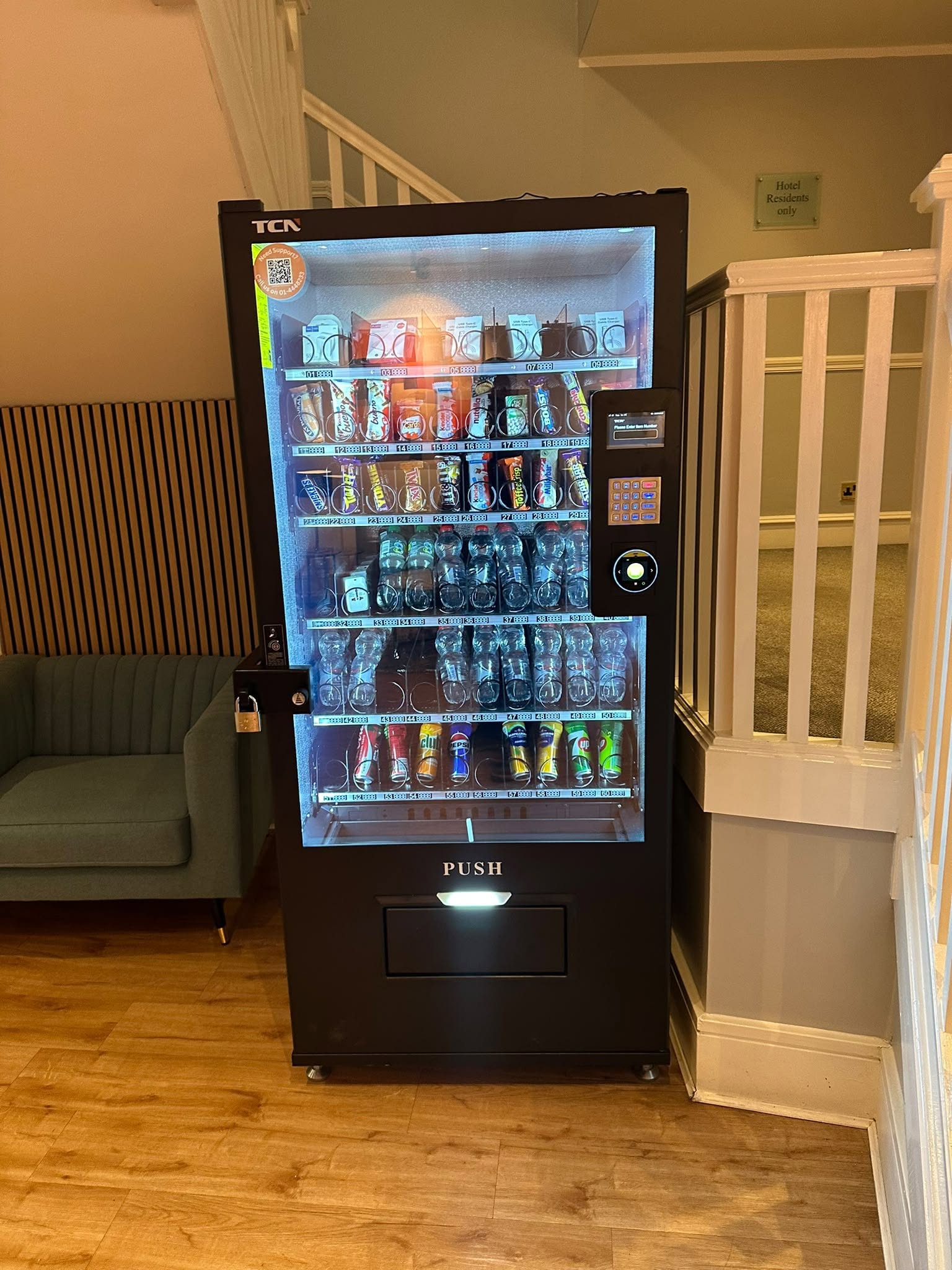
Understanding Traditional Vending and Smart Solutions
Many businesses still rely on traditional vending because it offers a simple and dependable way to serve customers. These machines usually require less technical knowledge and often involve lower setup costs. In contrast, smart vending machines include features such as remote monitoring, cashless payments, and inventory tracking. As a result, they provide greater convenience and improved operational control. However, each option can perform well when matched with the right business environment. Therefore, business owners should evaluate customer needs, available resources, and future growth plans before making a decision. Choosing the right solution helps improve efficiency while delivering a better experience for both operators and customers.
Benefits of Traditional Vending for Many Businesses
For many operators, traditional vending remains an excellent choice because it is easy to manage and maintain. Additionally, these machines often have fewer technical components, which may reduce maintenance needs. They also work well in locations with consistent customer traffic and straightforward product selections. Furthermore, many business owners appreciate the familiar user experience. Consequently, traditional systems continue to provide reliable service across many industries.
When Smart Technology Offers More Than Traditional Vending
Smart vending becomes especially valuable when businesses need real time information and greater flexibility. For example, operators can monitor stock levels remotely and respond quickly to changing demand. Likewise, digital payment options improve convenience for customers. Businesses that want to learn more about modern vending solutions can explore vending-machines.ie for helpful information and guidance. As customer expectations continue to change, technology can help improve efficiency while supporting better decision making without replacing the strengths of traditional vending in every situation.
Comparing Costs Beyond Traditional Vending
Cost should always be part of the decision. While smart machines often require a larger initial investment, they may reduce operating costs through better inventory management and improved reporting. On the other hand, traditional vending usually offers lower purchase costs and simpler maintenance. Therefore, businesses should compare both immediate expenses and long term value. In addition, expected customer demand and available resources should influence the final decision.
Conclusion
The best vending solution depends on your specific goals rather than current trends. Some businesses benefit from advanced technology, while others achieve excellent results with traditional vending because it matches their daily needs. Furthermore, reviewing your budget, customer preferences, and operational requirements helps you make a confident decision. A thoughtful evaluation today can support stronger business performance for years to come. If you would like expert guidance on selecting the right vending solution, contact us to discuss your business needs and explore the options available.

