
Choosing Vending Drink Sizes: Ask About the Occasion, Not Just the Brand
A request for a particular drink brand does not always explain which pack size suits the workplace. Someone taking a short break may have a different preference from someone carrying a drink away from the building. Ask about the occasion and practical need before treating a brand request as a complete stocking instruction.
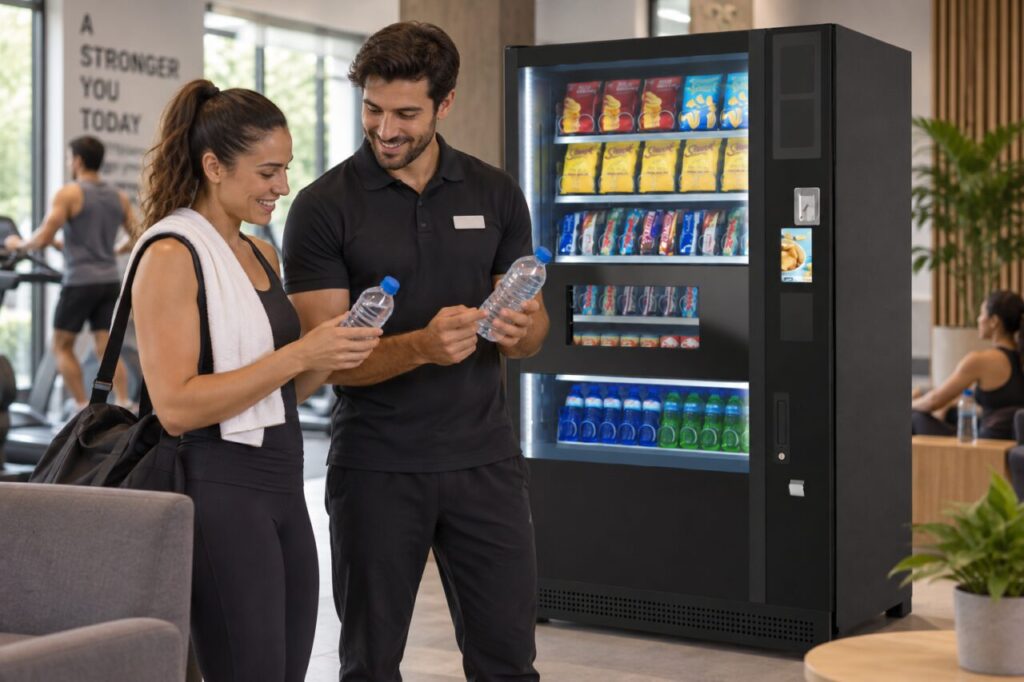
Keep this as a range-planning discussion. Do not infer health needs or make nutritional claims from the size of a bottle. The operator also needs to confirm the suitability of the exact product pack for the equipment and service arrangement before a proposed size becomes part of the supplied range.
Clarify the practical preference
Ask what customers want to do with the drink: consume it during a short visit, take it to another part of the site or carry it away. Keep the question voluntary and general. The answer may help explain a preference for a format without requiring personal information about diet, health or individual purchasing habits.
Distinguish an occasional request from a repeated pattern. A single enthusiastic suggestion can be useful, but it is not a measured forecast of sales. Record the question and discuss it with the operator alongside available service information rather than promising a new size before demand and practical suitability have been assessed.
Compare the exact packs
Use the actual product and pack details when discussing alternatives. Similar branding can appear on different sizes or formats, and customers may care about the container as well as the contents. Keep those distinctions clear in the proposal so the operator is not asked to source an ambiguous product description.
Confirm equipment suitability through the supplier’s process. A pack that looks only slightly different may still need review. Do not assume that all products from one brand are interchangeable in the machine, and do not ask site staff to alter the equipment to accommodate a proposed bottle without the appropriate authorisation and guidance.
Keep the range understandable
If two sizes of a similar drink are offered, consider whether customers can distinguish them clearly through the supplied interface and product information. Ask the operator how the actual arrangement will present the choices. Avoid relying on a small visual difference that may be difficult to interpret from the normal customer position.
Our guide to the lowest-priced available choice covers another aspect of range clarity. A planned price range matters only when the corresponding products are actually available. Keep size, price information and availability aligned without assuming that the larger pack is always the preferred option.
Review a small agreed trial
Where the operator agrees to test an alternative size, define the question and record the conditions. Note the period, availability and any other range changes. A trial is easier to interpret when its purpose is clear, such as understanding whether a different format answers a repeated practical request at that site.
Use the resulting observations carefully. A change in sales during an unusually busy week does not prove that pack size caused the difference. Keep customer feedback, sales records and contextual notes distinct. If the information is limited, explain that limitation rather than presenting a small trial as a universal rule for all workplaces.
When planning a vending product range, connect drink formats with real customer occasions and the supplied equipment. The useful choice is one that the operator can support and customers can understand. Revisit the decision when the audience or working pattern changes, using current observations rather than preserving a pack size simply because it was chosen at launch.
Contact our team to discuss a suitable range for your vending site.