
Is the Vending Machine Business Still Profitable in 2025?
## Introduction
Is the vending machine business still profitable in 2025? This question comes up regularly from entrepreneurs considering a passive income venture and from facilities managers looking to upgrade their amenities. In an era of smartphone convenience and online grocery deliveries, it’s natural to wonder if people still use vending machines. The answer is a resounding yes. The global market for automated retail continues to expand thanks to changing consumer lifestyles, improvements in technology, and shifting workplace dynamics. Modern units offer far more than simple candy bars – they can sell fresh meals, electronics, and even personal protective equipment. As long as you choose the right machine and tailor it to your audience, vending remains a viable business model.
## Market growth and consumer demand
Recent market analyses show that the vending machine industry is forecast to grow steadily through 2028, with a projected compound annual growth rate (CAGR) of around 9 %. Convenience is a major driver: busy workers, students and travelers appreciate being able to grab a snack or drink without waiting in line. Vending also keeps overheads low because there’s no need for full‑time staff. In addition, micro markets and unmanned retail kiosks are emerging as a popular alternative to staffed canteens. These self-service stores combine a larger product range with cashless payment systems, making them attractive in offices, hospitals and factories. The rise in demand for healthy snacks and ready meals means you can stock premium products and command higher price points.
## Smart technology and innovations
Another reason the vending machine business is still profitable in 2025 is the rapid adoption of smart technology. Today’s equipment includes touchless payment terminals, NFC card readers, and mobile-wallet integrations, making transactions quick and hygienic. Backend software allows operators to monitor stock levels remotely, adjust prices, and receive maintenance alerts in real time. Artificial intelligence also plays a role by analysing purchasing patterns, optimising product assortments and predicting restocking cycles. Some machines even use facial recognition or biometric verification to dispense age-restricted items. These tools reduce waste, cut labour costs and improve customer satisfaction, all of which boost profitability.
## Specialised and hybrid machines
Innovation has expanded the range of products that can be sold through automated retail. Machines that vend fresh coffee, gourmet meals, salad bowls and frozen foods are now commonplace. Hybrid machines combine refrigerated and ambient sections so you can offer drinks, snacks and ready meals in a single unit. Reverse vending units accept empty bottles and cans, rewarding users with loyalty points while supporting recycling initiatives. Solar-powered and energy-efficient models are also gaining traction, reducing electricity costs and appealing to eco-conscious customers. There are even machines that integrate with electric vehicle charging stations or 24/7 pickup lockers. This diversity means operators can target niche markets, from gyms and apartment complexes to airports and healthcare centres.
## Profitability factors and tips
While the market outlook is positive, success still depends on careful planning. Location is paramount: high footfall sites such as universities, manufacturing plants and transportation hubs tend to generate the most sales. The machine you choose should match the demographic. A machine selling healthy snacks and protein bars will do well in a gym or wellness centre, whereas a combination of drinks and grab-and-go meals works better in an office. Be prepared to experiment with pricing and promotions. Many smart vending platforms allow you to schedule discounts at off-peak times or reward repeat customers. Maintaining your equipment regularly and keeping it fully stocked will maximise uptime and prevent lost sales. Finally, consider the environmental impact of your operation – implementing **eco-friendly vending practices** not only appeals to consumers but can also lower operating costs over the long term.
## Conclusion
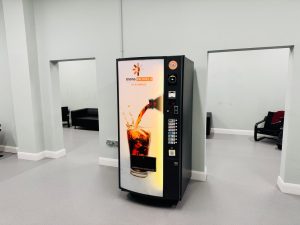
So, is the vending machine business still profitable in 2025? With strong market growth, smarter technology, and an ever-expanding range of products, automated retail continues to deliver solid returns for operators. The keys to success are choosing the right location, investing in modern equipment, monitoring data to optimise your inventory, and aligning your offering with customer preferences. As long as you adapt to trends and embrace sustainability, vending machines will remain a profitable and resilient business model for years to come. For more insight into the state of the industrydustry re, check out this recent inport from a leading market research firm. Read the full industry report here.

