
What does a vending machine compressor do?
A vending machine compressor helps the cooling system move heat out of the cabinet. It draws in refrigerant vapour and raises its pressure so that the system can release heat elsewhere. For a site manager, the practical distinction matters. A drink that feels warm gives you a reason to check the machine, but it does not by itself tell you that the compressor needs replacing.
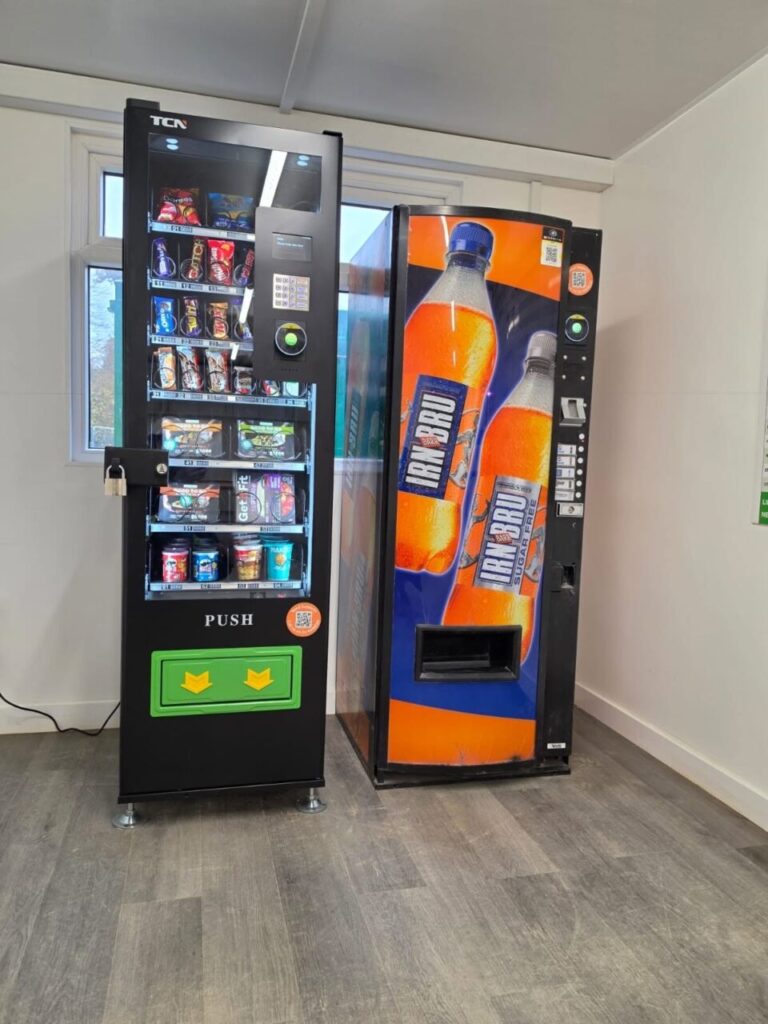
How heat leaves the cabinet
Inside a refrigerated machine, the evaporator absorbs heat as refrigerant evaporates. The compressor moves that vapour towards the condenser, where the system releases heat to the surrounding air. The refrigerant then returns through the circuit to absorb more heat. Danfoss explains the refrigeration cycle and the role of each component. The layout and controls depend on the actual machine.
This explains why a cooling complaint can have more than one cause. The compressor is one component in a system that also depends on air movement, controls and the condition of the cabinet. A site contact can observe a blocked external air opening or a door that has failed to close. The engineer needs to determine which observation explains the problem before quoting for parts.
Gather information during the first call
Start with the machine identifier and the time the problem was noticed. Record the display reading, any warning message and which products are affected. Ask when the machine was last filled, whether the door had been open and whether the room conditions have changed. Give the engineer the observations separately from your own guess about the cause. A photograph of the display is more useful than a description from memory.
If the machine contains food that depends on refrigeration, follow the operator’s food safety procedure while the fault is investigated. The Food Safety Authority of Ireland requires appropriate arrangements to maintain and monitor food temperatures where necessary. Identify the affected stock and involve the person responsible for deciding whether it can be sold. The machine sounding normal again is insufficient evidence for that decision.
Read the repair quote carefully
Ask the engineer what they found, which part they propose to replace and what tests support the diagnosis. Check whether the price covers the diagnostic visit, labour, parts and the follow-up test. For a machine supplied under a service agreement, ask who authorises the repair before anyone orders a component. Keep the written assessment with the equipment record so the next engineer has the same information.
If a replacement cooling assembly is proposed, ask what is included in that assembly and what stays in the original cabinet. A compressor-only estimate and an estimate for a larger assembly cover different work. Ask the supplier to identify the part against the model and serial number. An indicative price from an unrelated machine is a poor basis for approving the job.
Agree what proves the repair is complete
Define the return-to-service check with the operator. Record the time, operating conditions and the results of the agreed temperature checks. Ask whether the site should monitor the cabinet after restocking and who will review those readings. This gives both parties a concrete basis for closing the service call or reporting a recurrence. Keep refrigerant work and electrical investigation with the qualified service provider.
For an Irish workplace with an unreliable machine, send the equipment details and symptoms. Our guide to vending machine faults and service records can help you prepare the maintenance history.