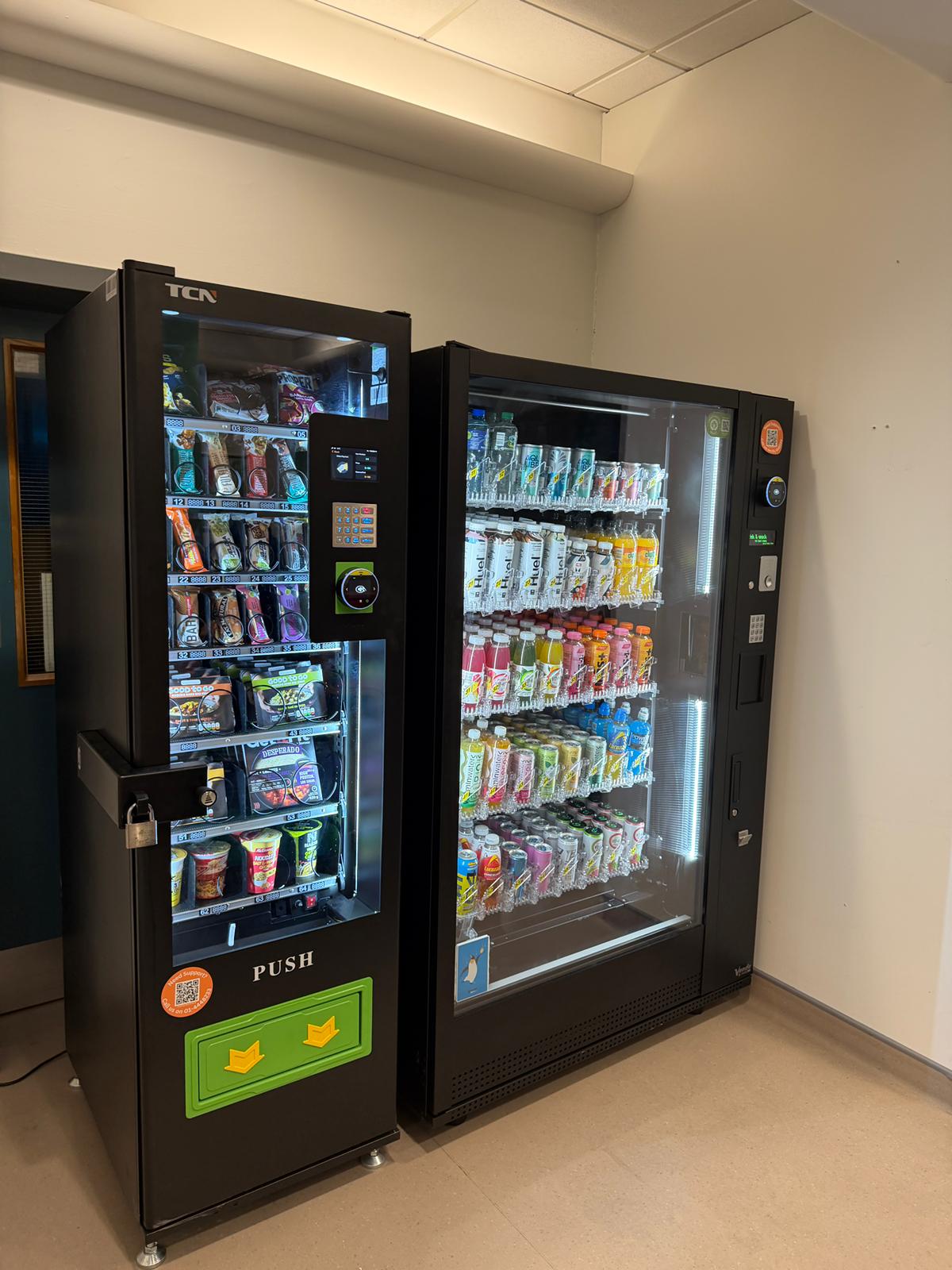
A Vending Order Lists Accessories as Quantities: Confirm Which Machine Receives Each Item
A vending order covering several machines may list accessories as one combined quantity. That can leave the receiving team unsure which unit should get each item. Before delivery, ask for a simple allocation record linking every accessory to its intended machine, site or shared use. The total quantity alone does not explain the configuration.
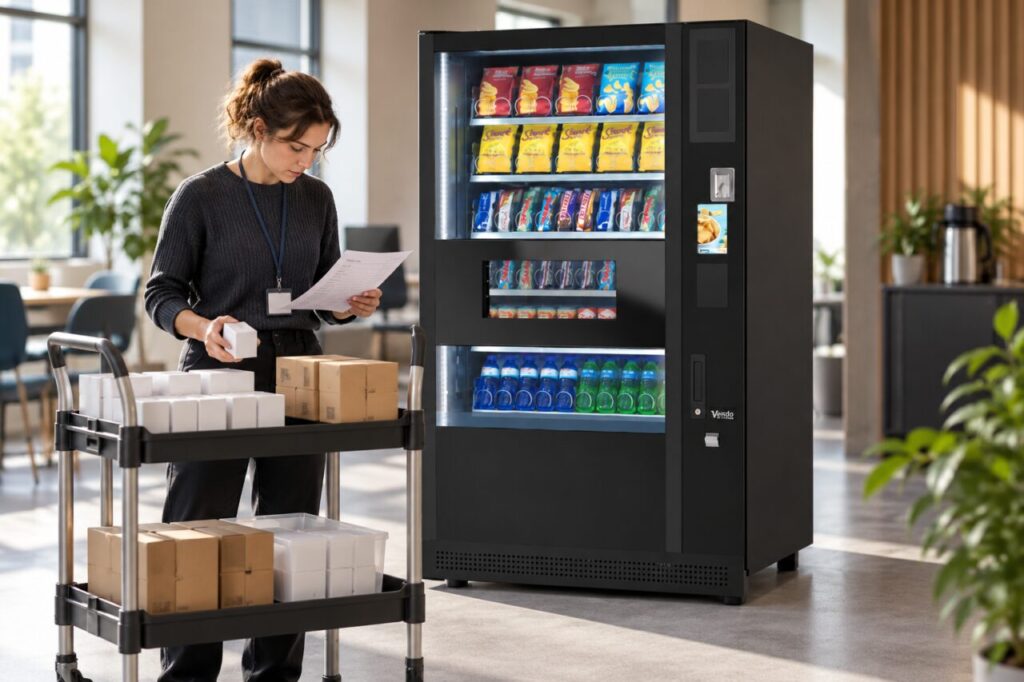
Begin with the accepted order and identify the items described separately from the machines. Distinguish fitted components, loose accessories, spare parts and shared equipment. These categories can have different handover needs. Do not assume that two identical-looking boxes contain interchangeable parts or that every machine receives the same optional equipment.
Map the order to individual units
Use the supplier’s machine reference and your site identifier to create a clear mapping. For each accessory, record its description, quantity and intended destination. If an item is shared, say where it will be stored and who is responsible for it. Avoid allocating it twice simply because two teams expect access.
Ask the supplier to confirm this mapping before packing or installation where possible. Your vending equipment order should describe the required configuration at each location, including any deliberate differences. A combined order can still be convenient, but its receiving record should make those differences visible to people who did not negotiate the purchase.
Check what arrives fitted
Some items may already be installed, while others arrive loose for later fitting or safekeeping. Ask which is which and who is authorised to install anything outstanding. The receiving team should not attempt unfamiliar fitting merely to make the delivery match a spreadsheet. Refer compatibility and installation questions to the supplier or trained engineer.
At delivery, compare the allocation record with the actual machine references and accompanying boxes. Record shortages, extra items or unclear labels as observations and request clarification. Keep packaging or delivery labels available until the items are identified, but do not leave loose cartons obstructing the customer or service area while waiting for an answer.
Avoid moving the uncertainty elsewhere
If one machine is installed first, do not take an accessory allocated to another unit without an agreed update. An informal swap can make the first handover appear complete while creating an unexplained shortage at the second site. Record any authorised reassignment against both machine records so the remaining requirement stays visible.
For example, an order might contain two machines and one shared training aid. The correct record is one shared item with a named storage location, not one missing item at each machine. Equally, an item supplied for a specific configuration should not be treated as shared merely because only one was delivered.
Complete the handover record
Once installation and allocation are confirmed, retain the final list with the equipment documents. Include relevant instructions, the storage location for loose items and the person who received them. The useful test is whether a colleague joining later can identify what belongs to the machine without relying on somebody’s memory of delivery day.
Review any outstanding quantities with the supplier and agree how they will be resolved. Mark completion only when the missing or uncertain items have a confirmed outcome. This small amount of organisation helps preserve the agreed configuration, makes later support enquiries clearer and prevents a combined purchase from becoming several inconsistent equipment records.
Related guidance: Buying a Vending Machine with Optional Accessories: Ask What Arrives Fitted.
For help assessing your site, contact Vending-Machines.ie.