Can a vending refund reach an expired card?
An expired card does not automatically prevent a vending refund from reaching you. Start with the original purchase. Ask the vending operator whether it has actually issued a refund, then ask the bank that issued the old card where it will credit the money. The expiry date alone cannot tell you whether a particular refund succeeded.
Was there a completed purchase?
Check whether your banking app shows a completed payment or an amount still marked pending. Tell the operator exactly which description you see. A pending authorisation and a refund of a completed payment are different events. If the original entry disappears without a debit posting, ask your bank to explain the change before trying to trace a separate credit.
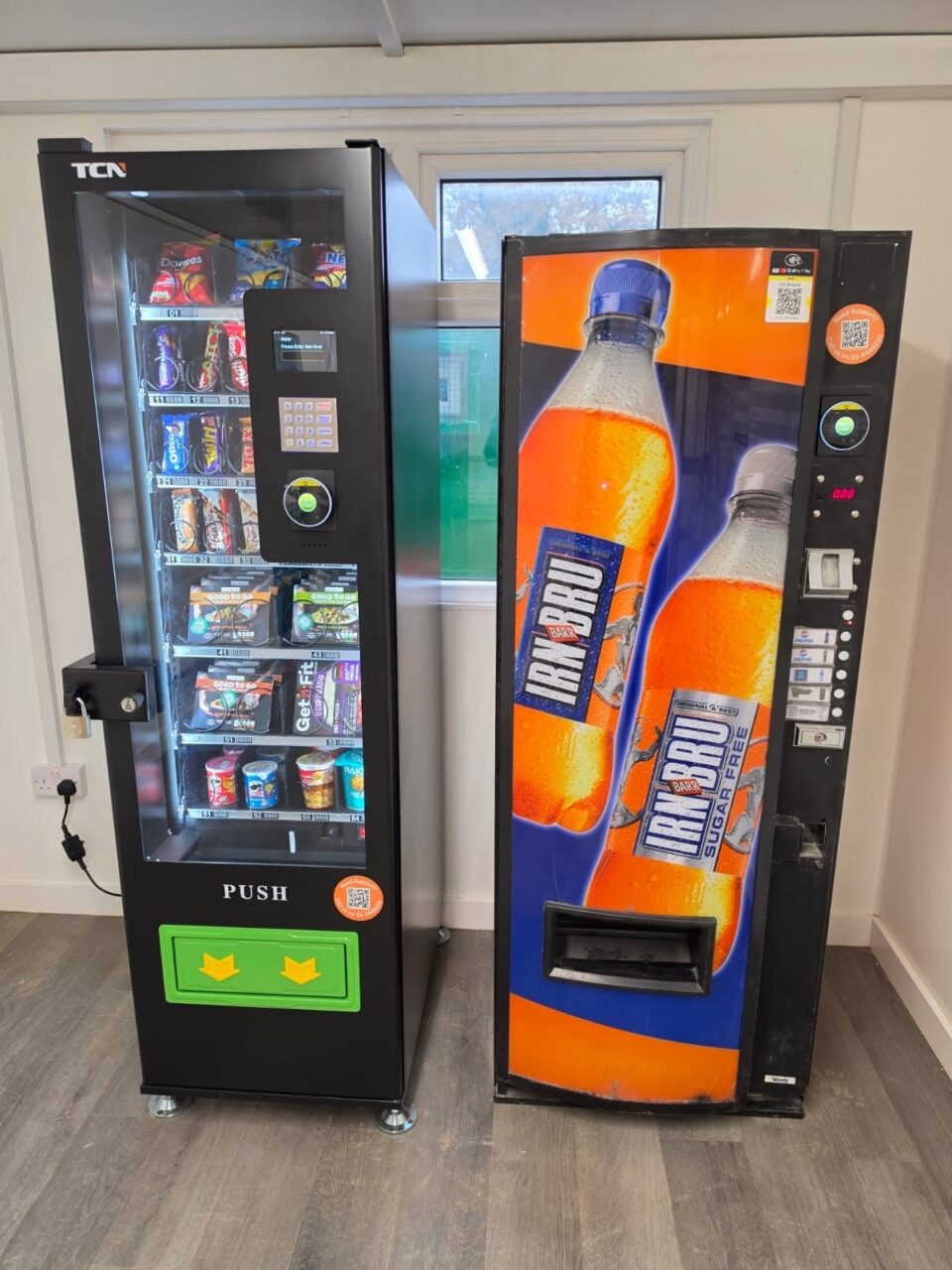
Write down the machine identifier, the site, the time and the amount. If several machines stand together, identify the cabinet you actually used. An operator can often distinguish two similar purchases more easily with a selection number or a receipt. Keep a copy of your first enquiry so that the next person can follow the same timeline.
What happens after the card expires?
Stripe describes how banks handle refunds to expired or cancelled cards on its service. It says banks usually route the money to a replacement card or, in some cases, to the underlying bank account. If the bank cannot do either, it may return the funds to the processor. Your bank and the operator’s payment provider can confirm what happened in your case.
For example, suppose you bought a drink in October and received a replacement card in November. The vending operator may recognise the original purchase even though the last digits on the card in your wallet have changed. Explain the replacement and give the date of the old purchase. Ask for the refund date, amount and any reference your bank can trace.
What if you closed the account too?
Tell the issuer that the account itself has closed. A replacement card on the same account is a different situation. Ask the issuer how it handles incoming credits for closed accounts and which details it needs from the merchant. If the issuer says it returned the credit, ask for that explanation in writing and pass it back to the operator through its official support channel.
Avoid starting a second refund request with a different person while the first one is being traced. Instead, quote the first case reference and explain what changed. This helps the operator distinguish a failed refund from a new claim. Keep screenshots of the relevant entry with unrelated transactions and sensitive details covered.
Give both sides the right question
Ask the merchant whether it submitted the refund and what result its provider reports. Ask the issuer whether it received that credit and where it posted it. A bank that issued the replacement card cannot tell you which vending selection failed. Likewise, the vending operator cannot see every entry on your personal bank account.
If you paid with a work card, involve the card administrator who can see the relevant statement. If the account holder and the person who reported the fault are different people, agree who will follow up. A short record of the purchase, refund and bank response is much easier to trace than several messages that only say the money has not arrived.
For a different payment question, see what a vending receipt can tell you. Use the operator contact on the machine for a specific transaction.
Related guide: what a merchant category code tells you.