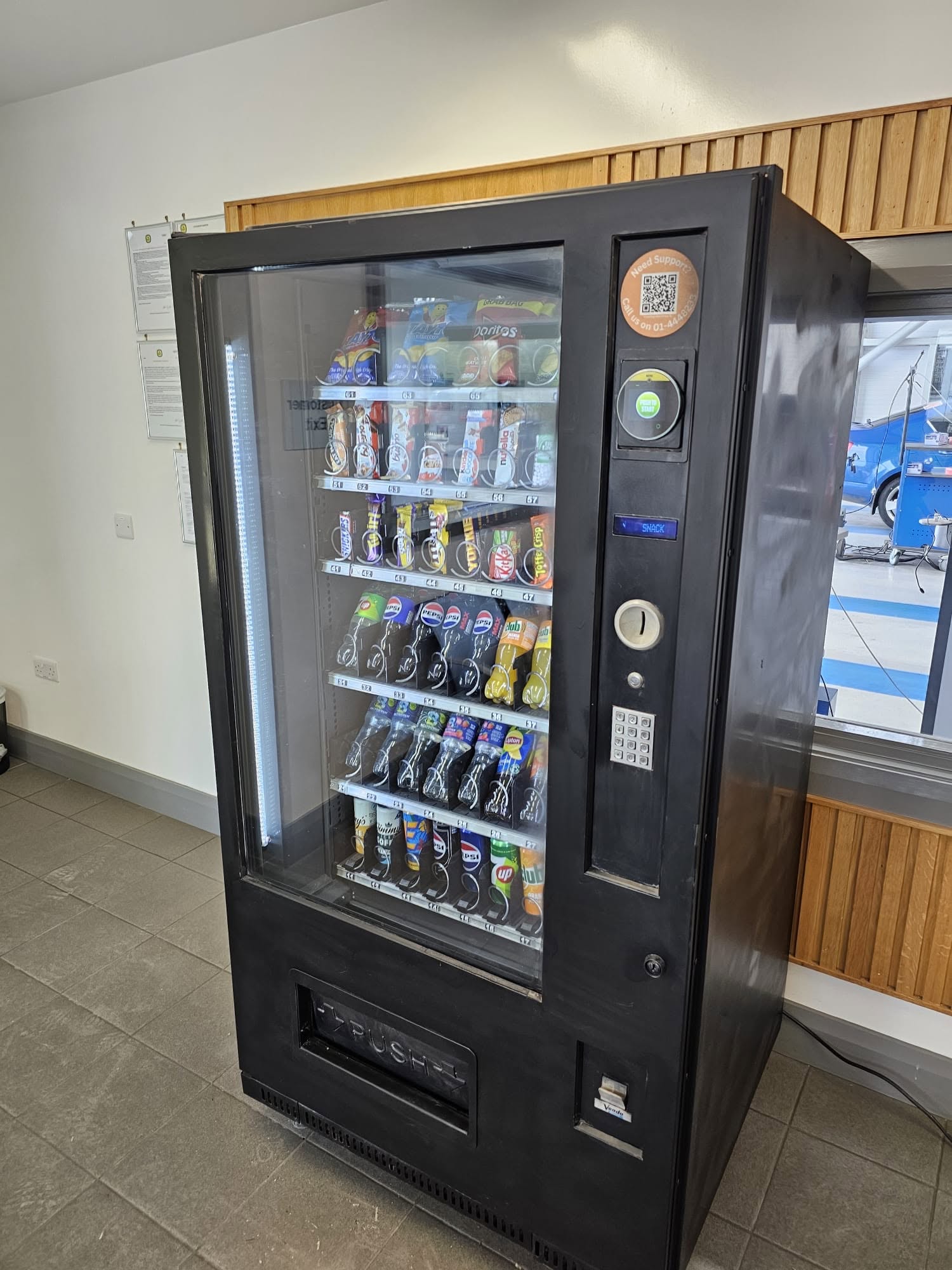
Buying Vending Equipment from a Revised Quote: Check What Was Removed as Well as Added
A revised vending quotation may have a lower total because the supplier changed the specification, removed a service or corrected an error. Before approving it, compare the complete offer with the previous version. Looking only at the new price can miss a change that affects delivery, installation or the way the machine will be used.
Keep both documents and identify their dates or revision references. Ask the supplier which version replaces the other and whether earlier correspondence still forms part of the proposal. Do not assume that a feature discussed at a demonstration remains included simply because nobody mentioned it again when the price was updated.
Compare the scope line by line
Start with the equipment model and configuration, then work through payment arrangements, accessories, delivery, installation, training and support. Mark each line as unchanged, added, removed or awaiting clarification. Use the descriptions actually supplied rather than rewriting a vague line into a more generous promise that the supplier has not made.
Check quantities and the meaning of bundled descriptions. “Installation included” might still need a written explanation of what work is covered and what the site must provide. When considering vending machines for purchase, give the supplier your intended use and ask them to confirm that the revised configuration still meets those requirements.
Investigate omissions without guessing
An absent line is a question, not proof that the item has been removed. It may have moved into a package price or been omitted accidentally. Ask for a written answer showing where it is covered, or confirming that it is excluded. Keep the clarification with the final quotation so another buyer can follow the decision.
Suppose the earlier quote listed operator training separately and the revision does not mention it. Establish whether training remains included, has become chargeable or is no longer offered in that proposal. Then consider the practical effect: who will train the nominated staff, when that will happen and whether the launch plan still works.
Review dependencies and total commitment
A removed accessory can affect another part of the order. Ask whether any changed component alters the agreed payment options, product suitability or installation requirements. Do not infer compatibility from a similar product name. The supplier should identify the exact proposed setup and any further work needed before the machine can operate as intended.
Review recurring charges and payment milestones as well as the equipment total. Keep tax treatment, delivery charges and optional services clearly identified in the quotation, without trying to resolve accounting or contract questions through assumptions. Refer those questions to the appropriate adviser where needed. A cheaper headline figure is useful only when its scope is understood.
Approve one complete version
Record the final agreed specification and the authorised buyer’s approval against one identifiable document. Avoid an order assembled from selected lines across several revisions unless the supplier has explicitly consolidated them. The person receiving the machine should be able to check the delivery against a single clear list of what was ordered.
After ordering, retain the earlier versions as background while marking the approved version for operational use. If another revision arrives, repeat the comparison rather than assuming it is administrative. This small discipline helps prevent a missing service or accessory becoming a surprise on installation day, when changing the arrangement may be more disruptive.
Related guidance: Buying Vending Equipment with a Backordered Accessory: Agree What Can Be Accepted.
For help assessing your site, contact Vending-Machines.ie.