
Planning a Vending Route: Allow for Travel Between Sites, Not Just Refill Time
A vending route plan can look efficient when it counts only the minutes spent at each machine. The working day also includes travel, access arrangements, loading and the time needed to deal with exceptions. Include those activities before deciding how many visits can realistically fit into a route.
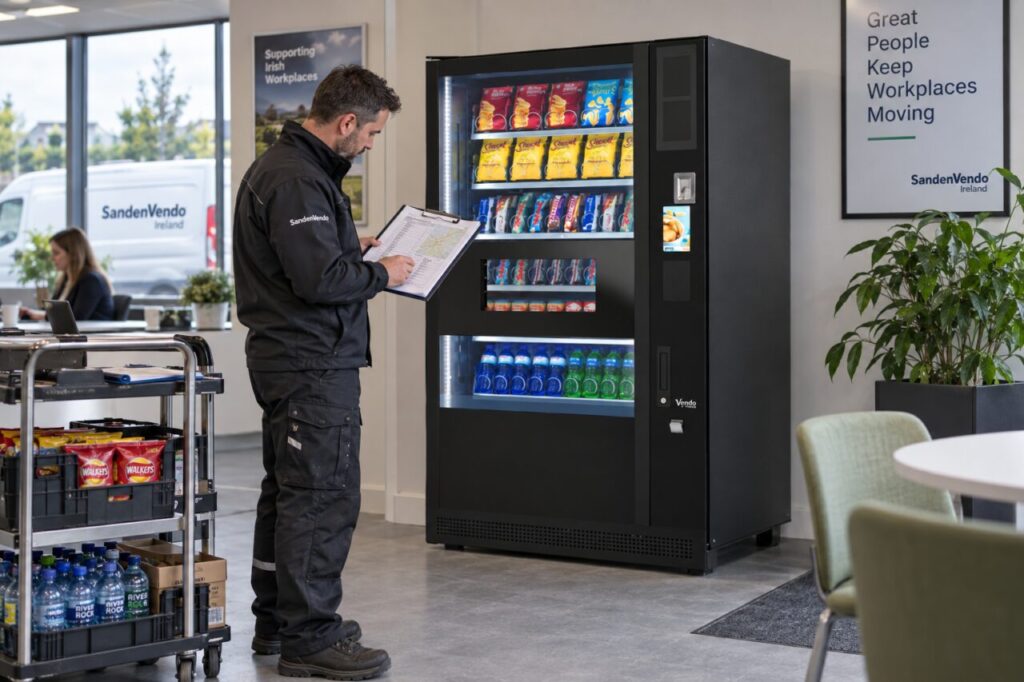
Use the actual sites and agreed service requirements as the starting point. A map distance is useful context, but it does not guarantee a journey time or prove that two visits can be placed back to back. Keep the plan realistic for the person carrying it out.
Define the work at each stop
List what the planned visit includes, such as replenishment, agreed checks or a scheduled collection. Do not treat every stop as identical when the machines, product ranges or site requirements differ. Ask the person doing the route where preparation and handover work occur.
Keep uncertain work separate from a routine visit estimate. A reported fault may require a different service response rather than simply a few extra refill minutes. The route plan should not turn an unresolved technical issue into an assumed task for somebody who is not authorised to handle it.
Add the access conditions
Record permitted visit windows, parking or unloading arrangements and any agreed escort requirements. A nearby site may still be difficult to serve at a particular time if access is restricted. Confirm the current process with the site contact rather than relying on an old route note.
Our guide to site-specific visit checklists supports this preparation. Keep the route summary concise while linking to the details needed by an authorised colleague covering the visit. Private access information should remain in the approved system.
Use observed travel as a planning input
Compare planned journeys with ordinary completed trips where reliable records are available. Note the day and conditions so an unusually quiet or disrupted journey is not mistaken for a normal pattern. Use current travel information when appropriate, while recognising that conditions can change.
Do not make the schedule depend on rushing between sites. Leave room for the agreed work and normal safe travel. If the route only works when every journey is unusually quick and every access point is immediately available, discuss a different order or workload before treating it as achievable.
Plan how exceptions are handled
Agree whom the operator contacts when a delay affects later visits. A clear update can help a site arrange access or explain a revised service time. Avoid leaving later customers with an outdated expectation simply because the first problem consumed the available margin.
Distinguish a one-off delay from a recurring scheduling problem. Record enough context to review the pattern without monitoring unrelated personal activity. If the same access restriction repeatedly affects the route, adjust the plan with the site rather than expecting the operator to recover the time elsewhere.
Review the route as the business changes
When adding a machine or location, assess the effect on the entire day. The additional cabinet may bring travel, preparation and access requirements as well as refill work. Do not assume that being geographically close makes the new stop operationally free.
For broader planning, see the vending business setup guide. A useful route plan connects the promised service with the time and resources needed to deliver it. Review actual experience periodically and update the assumptions before small recurring delays become the normal schedule.
To discuss equipment and service planning for several sites, contact the team with the locations and proposed responsibilities.