A Vending Service Visit Ends Before the Customer Can Attend: Agree How the Findings Will Be Explained
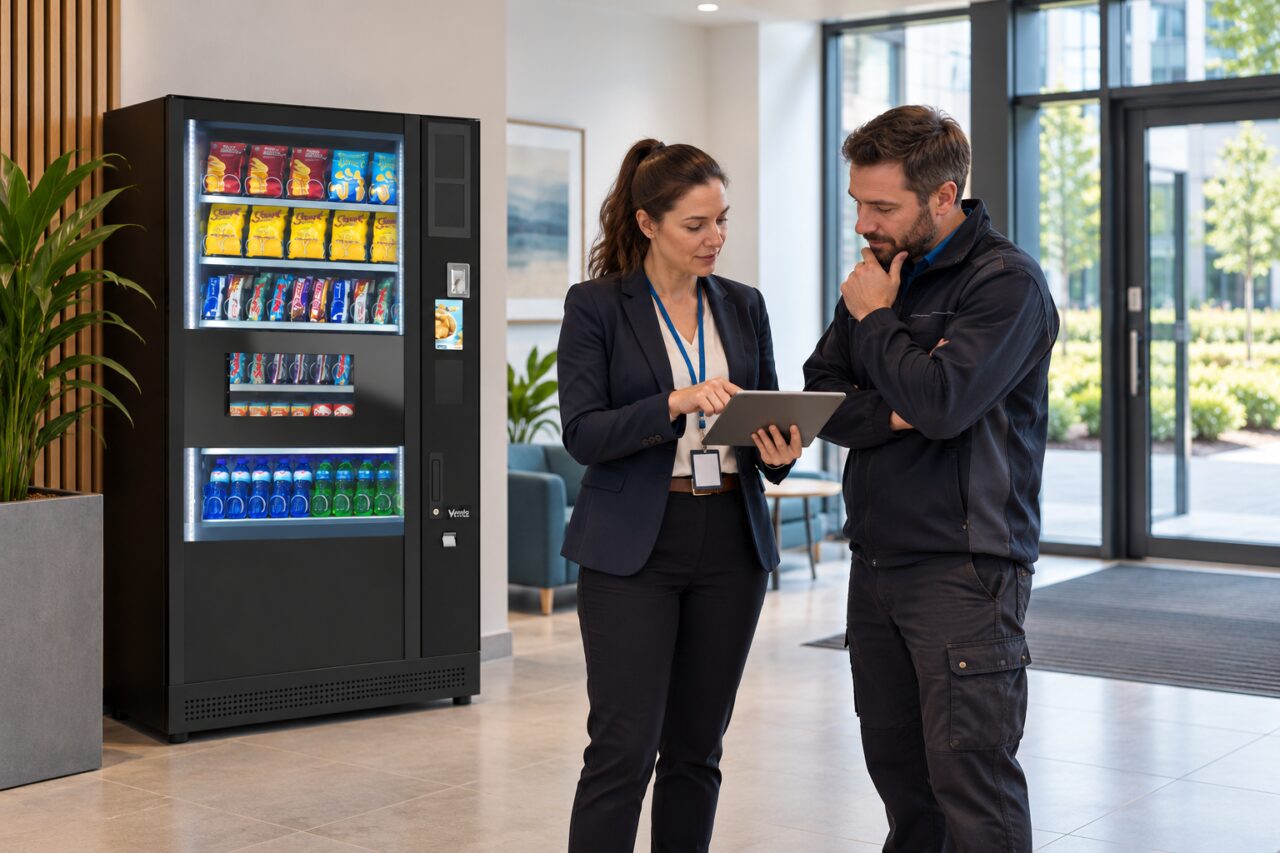
A vending technician may finish a visit while the usual site contact is still in a meeting or working elsewhere. The equipment can have been checked without the customer understanding the outcome. Agree how the findings will be explained so that an unattended verbal handover does not leave staff guessing about the machine’s status.
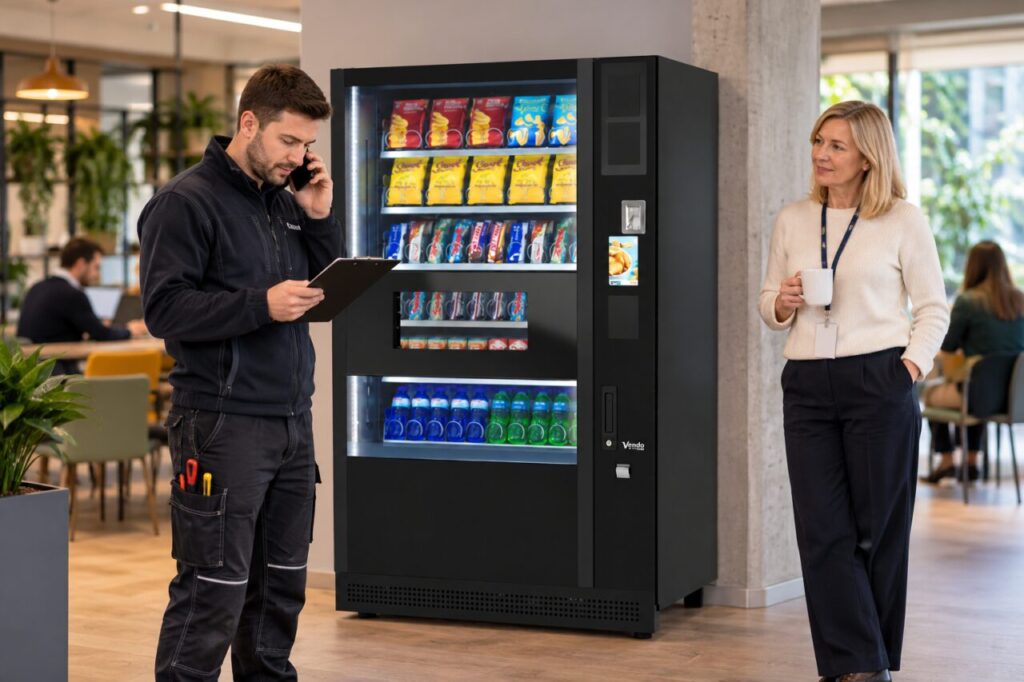
Before the visit, give the operator the correct contact route and explain any attendance limits. Identify an alternative authorised site contact where appropriate. Make clear which person can provide access, which can answer questions about the reported symptom and which can approve additional work. These roles do not always belong to the same colleague.
Request a usable completion summary
Ask the technician or service coordinator to record the machine visited, the reported issue, the checks completed and the outcome. The summary should distinguish a confirmed repair from an inspection that did not reproduce the fault. It should also identify anything still outstanding, including a further appointment, a part or information needed from the site.
Avoid treating a departure time as proof that every issue is resolved. A visit may end because the agreed checks are complete, because another step is needed or because a particular task could not proceed. A clear status statement prevents the next shift from interpreting the technician’s absence as an instruction to resume ordinary use.
Confirm the operating status
The site contact needs to know whether the machine is available and whether any restrictions apply. Ask for that point explicitly if the report is unclear. Staff should follow the responsible service person’s instructions rather than interpreting technical shorthand themselves. If there is uncertainty about safety or availability, escalate it through the agreed site procedure.
Where a temporary notice or restriction was put in place, clarify who can remove it and when. Do not have one colleague announce that the machine is working while another retains an outdated warning. Keep the customer-facing message consistent with the confirmed status, and avoid publishing a technical diagnosis that has not actually been established.
Arrange a short follow-up conversation
If the report raises questions, request a suitable call with the service coordinator or technician. Prepare the questions in advance: what was found, what changed, what remains open and what should staff record if the symptom returns. This is more useful than asking a colleague who happened to be nearby to interpret a conversation they only partly heard.
For workplace vending support, agree how written service records reach the site’s nominated contact. A reliable handover route is particularly useful where reception, facilities and the equipment operator are separate teams. The arrangement should help the people using the machine receive clear practical guidance without needing access to every technical detail.
Add the outcome to the original report
Keep the completion summary with the initial case reference and customer observations. Note the date the site contact reviewed it and any follow-up agreed. If additional work needs approval, record that separately rather than treating an explanatory call as permission to incur a charge. The commercial decision should follow the organisation’s normal approval process.
Tell affected colleagues the relevant outcome in plain language. Explain what they should do if the problem reappears, without promising that a symptom can never recur. A useful handover does not require everyone to attend the visit. It requires the findings, current status and next step to reach the person responsible for coordinating the site.
Related guidance: A Vending Service Visit Finds No Fault: Keep the Original Symptoms on Record.
For help assessing your site, contact Vending-Machines.ie.